
Introduction to Pet Hair Removal
Tips for removing pet hair from car upholstery – Pet hair on car upholstery is a common and frustrating problem for pet owners. The constant shedding of fur can quickly accumulate, leaving a noticeable and unpleasant aesthetic impact. This accumulation can also lead to hygiene concerns, potentially harboring allergens and dust mites. Regular removal is crucial for maintaining a clean and attractive vehicle interior.Regular pet hair removal is essential for preserving the cleanliness and appearance of your car’s upholstery.
Neglecting this task can lead to a buildup of hair that not only detracts from the car’s aesthetics but can also harbor allergens and bacteria. Maintaining a regular schedule for removing pet hair will help keep your car looking its best and ensure a healthier environment for both you and your furry friend.
Different Upholstery Materials and Cleaning Needs
Various materials comprise car upholstery, each requiring specific cleaning methods. Understanding these differences is crucial for effective and safe pet hair removal. Different materials react differently to various cleaning agents, so it’s important to consider the specific material when choosing a cleaning method.
Upholstery Fabric Cleaning Guide
| Upholstery Type | Best Removal Methods | Precautions | Additional Notes |
|---|---|---|---|
| Leather | Use a soft-bristled brush or a microfiber cloth dampened with a leather-specific cleaner. Avoid harsh chemicals or abrasive tools. For stubborn spots, a leather-specific eraser can be effective. | Do not use water or harsh chemicals directly on leather. Test any cleaner in an inconspicuous area first. | Leather upholstery can be prone to damage from improper cleaning. Always follow the manufacturer’s instructions for your specific leather type. |
| Fabric | For fabric upholstery, a combination of vacuuming with a brush attachment, followed by a damp microfiber cloth with a mild upholstery cleaner, is usually effective. Be cautious with excessive moisture, as this can damage some fabrics. Consider a lint roller or sticky tape for smaller areas. | Ensure the cleaner is compatible with the fabric type. Avoid using harsh chemicals or excessive water. | Different fabric types have varying degrees of tolerance to moisture. Always test the cleaner on an inconspicuous area first. |
Essential Tools and Supplies
Effective pet hair removal from car upholstery hinges on using the right tools. Choosing appropriate equipment tailored to the specific upholstery material is crucial to prevent damage and ensure optimal results. Improper tools can lead to scratches, snags, or even permanent damage, rendering the removal process ineffective and potentially harming the vehicle’s interior.
Essential Tools for Pet Hair Removal
A variety of tools are needed for comprehensive pet hair removal. A multifaceted approach using different tools will often yield better results than relying on a single method. This comprehensive approach allows for tackling various upholstery types and degrees of hair entanglement.
- Vacuum Cleaners with various attachments: High-powered vacuum cleaners with various attachments, such as crevice tools, upholstery nozzles, and brush attachments, are essential. These attachments allow for deep cleaning and targeted removal of embedded pet hair from crevices and upholstery surfaces. The brush attachments are particularly helpful for fabric upholstery, while crevice tools excel at removing hair from hard-to-reach areas like seams and corners.
- Lint Rollers: Lint rollers are invaluable for quickly removing loose pet hair. Their adhesive surface effectively captures hair from smooth surfaces like leather and vinyl. Their portability makes them ideal for quick touch-ups and for use in areas inaccessible to a vacuum cleaner.
- Microfiber Cloths: Microfiber cloths are excellent for wiping down surfaces and picking up stray hair. Their soft texture minimizes the risk of scratching delicate upholstery, making them perfect for leather and other sensitive materials. The static properties of microfiber cloths attract and hold pet hair effectively, leading to more efficient cleaning.
- Soft-bristled Brushes: Soft-bristled brushes are indispensable for removing hair from fabric upholstery. Their gentle bristles prevent damage to the fabric while effectively lifting and dislodging embedded hair. The type of brush should be carefully chosen based on the fabric’s weave to avoid snagging or pulling threads.
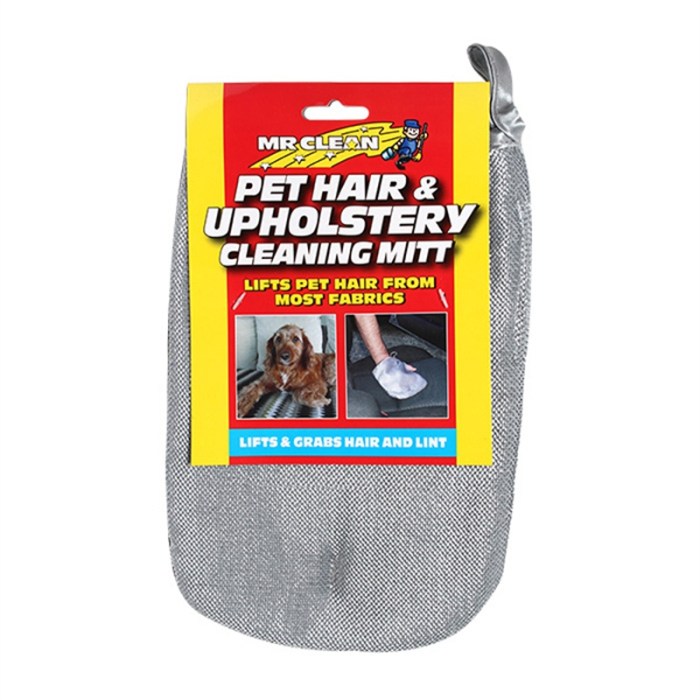
- Pet Hair Removal Mitt: A pet hair removal mitt, or glove, is a practical tool for capturing loose hair. Its textured surface effectively traps pet hair without causing any damage. These are best for removing surface hair and are particularly useful for quick cleanup.
Choosing the Right Tools for Different Upholstery Types
The selection of tools should always consider the specific type of car upholstery. Different materials react differently to various cleaning methods. Using the wrong tool can lead to damage, so careful consideration is paramount.
- Leather Upholstery: For leather, soft-bristled brushes, microfiber cloths, and lint rollers are best. Avoid using abrasive tools or overly aggressive vacuum attachments that could scratch the leather surface. Vacuuming with a brush attachment should be gentle.
- Fabric Upholstery: Fabric upholstery benefits from vacuum cleaners with brush attachments and soft-bristled brushes. Lint rollers can also be effective for removing loose hair, but be mindful of the fabric’s weave. Avoid using excessively hard brushes that might damage the fabric fibers.
- Vinyl Upholstery: Vinyl upholstery can tolerate a wider range of tools compared to leather. Vacuum cleaners with brush attachments, microfiber cloths, and lint rollers can be used effectively. Avoid abrasive tools to prevent scratching the surface.
Comparison of Pet Hair Removal Tools
The table below provides a comparative overview of different tools based on their effectiveness and suitability for various upholstery materials.
| Tool | Description | Effectiveness (Leather/Fabric) | Pros/Cons |
|---|---|---|---|
| Vacuum Cleaner (Brush Attachment) | High-powered vacuum with brush attachments for embedded hair. | Good for fabric, moderate for leather. | Effective for embedded hair, can be damaging if too harsh on leather. |
| Lint Roller | Adhesive roller for picking up loose hair. | Excellent for both leather and fabric. | Good for quick touch-ups, less effective on embedded hair. |
| Microfiber Cloth | Soft cloth for wiping down surfaces and picking up stray hair. | Excellent for both leather and fabric. | Good for general cleaning, less effective on deeply embedded hair. |
| Soft-bristled Brush | Brush with soft bristles for lifting embedded hair. | Good for fabric, gentle on leather. | Effective for fabric, can be gentle on leather. |
| Pet Hair Removal Mitt | Textured mitt for capturing loose hair. | Good for both leather and fabric. | Effective for quick cleanups, not suitable for embedded hair. |
Methods for Removing Pet Hair
Source: com.au
Removing pet hair from your car’s upholstery can be a tedious but necessary task. Knowing the right methods for different materials is key to avoiding damage and getting the best results. Different fabrics and textures respond differently to various cleaning techniques, so careful consideration is important.
Vacuuming
Vacuuming is a fundamental and often effective initial step for removing loose pet hair. This method is generally suitable for most upholstery materials, offering a quick and easy way to remove surface debris.
- Preparation: Ensure your vacuum cleaner is equipped with a suitable nozzle or brush attachment for upholstery. A crevice tool might be useful for tight spaces. Test the vacuum on a small, inconspicuous area first to avoid potential damage.
- Application: Direct the vacuum’s nozzle or brush attachment over the affected areas, moving in a slow, even manner. Overlap strokes slightly to ensure comprehensive coverage. Pay close attention to seams, crevices, and other areas where hair tends to collect.
- Visual Confirmation: Regularly check the collected hair in the vacuum’s container to assess the effectiveness of the process. If the hair accumulation slows down, the area may be sufficiently cleaned. Continue vacuuming until the hair accumulation becomes minimal.
Using a Sticky Lint Roller or Fur Remover
Sticky lint rollers or fur removers are excellent tools for removing pet hair from car upholstery, particularly on smooth surfaces. These tools are convenient for quick touch-ups and targeted hair removal.
- Preparation: Choose a lint roller or fur remover appropriate for the material. For delicate fabrics, a gentler option is recommended. Ensure the tool’s adhesive surface is intact and functional.
- Application: Roll the lint roller or fur remover firmly across the upholstery surface, following the grain of the fabric. Move in a smooth, consistent manner. Use overlapping strokes to capture all visible hair.
- Visual Confirmation: Regularly check the adhesive surface of the lint roller or fur remover to monitor the amount of hair removed. Continue until minimal hair remains on the surface.
Using a Microfiber Cloth and a Cleaning Solution (for Non-Sensitive Materials)
For non-sensitive materials like leather or vinyl, a microfiber cloth and a gentle cleaning solution can effectively remove pet hair. This method offers a more thorough cleaning than simple vacuuming.
- Preparation: Choose a microfiber cloth for its ability to absorb and lift hair. Select a cleaning solution suitable for the specific upholstery material. Test the solution on a small, inconspicuous area first to ensure it doesn’t damage the fabric.
- Application: Lightly dampen the microfiber cloth with the cleaning solution. Gently wipe the affected areas, following the fabric’s grain. Avoid excessive pressure, which could damage the upholstery.
- Visual Confirmation: Observe the upholstery as you clean. If the hair comes up easily, continue. If the hair is stubborn, repeat the process. Ensure the upholstery is thoroughly dry after cleaning.
Summary Table
| Method | Steps | Pros | Cons |
|---|---|---|---|
| Vacuuming | Prepare vacuum, apply, check. | Quick, relatively inexpensive, good for surface hair. | May not remove embedded hair, can be less effective on dense fabrics. |
| Sticky Lint Roller/Fur Remover | Prepare tool, apply, check. | Easy to use, convenient for quick touch-ups, good for smooth surfaces. | May not be suitable for all fabrics, doesn’t clean deeply. |
| Microfiber Cloth & Solution | Prepare materials, apply, check, dry. | Effective for removing embedded hair, good for non-sensitive materials. | Requires a cleaning solution, can take longer than other methods, potentially damage sensitive fabrics. |
Deep Cleaning and Maintenance
Source: squarespace-cdn.com
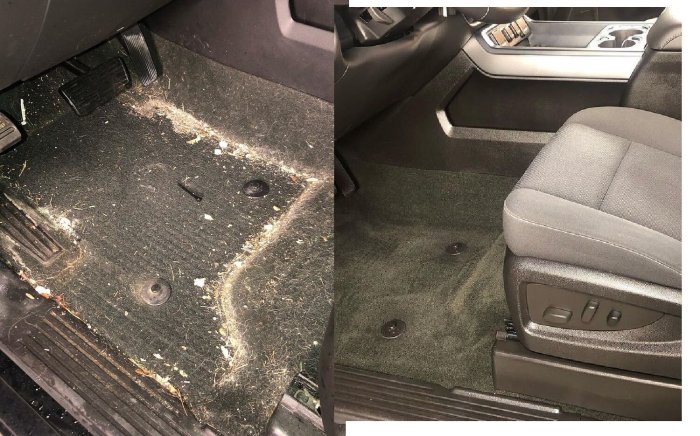
Regular deep cleaning of your car’s upholstery is crucial for maintaining its pristine condition, especially if you have pets. Embedded pet hair, often missed by quick cleanings, can accumulate and cause a buildup that dulls the fabric and makes the car feel less clean. A proactive approach to deep cleaning and maintenance ensures your vehicle remains comfortable and inviting.Thorough deep cleaning, beyond regular spot treatments, is essential to remove embedded pet hair and prevent the build-up of dirt, dust, and allergens.
This process helps maintain the fabric’s integrity and prolong its lifespan. Consistent maintenance also contributes significantly to the overall aesthetic appeal and comfort of your car.
Importance of Deep Cleaning
Deep cleaning goes beyond the surface level of removing loose pet hair. It tackles embedded hair and debris, preventing future build-up and promoting a healthier interior environment. Regular deep cleaning significantly extends the life of your car’s upholstery.
Comprehensive Cleaning Schedule
Developing a consistent cleaning schedule is key to maintaining a clean and healthy car interior. A schedule should be tailored to your pet’s shedding habits and the frequency of use.
- Weekly Spot Cleaning: Focus on high-traffic areas and spots where pet hair accumulates most readily. This proactive approach prevents the buildup of significant amounts of pet hair, which becomes increasingly challenging to remove with each passing day.
- Monthly Deep Cleaning: Dedicate a dedicated time to a thorough cleaning of the entire interior, including upholstery, carpets, and crevices. This deep clean should address embedded pet hair and other accumulated debris.
- Quarterly Professional Detailing (Optional): Consider professional detailing services every three months to address stubborn stains and thoroughly clean hard-to-reach areas. This is especially beneficial for high-traffic vehicles or if the vehicle has extensive pet hair issues.
Spot Cleaning and Prevention
Spot cleaning is an effective strategy to combat the initial accumulation of pet hair and other debris. Prompt action prevents significant buildup, saving time and effort during deep cleaning.
- Immediate Action: As soon as you see pet hair accumulating, use a vacuum cleaner with a brush attachment to remove loose hair. This prevents the hair from becoming embedded and making deep cleaning more challenging.
- Specific Spot Treatments: For stubborn stains or spills, use appropriate cleaning solutions and methods tailored to your upholstery fabric type. This will help prevent damage to the material and maintain its original condition.
Preventative Measures
| Preventive Measure | Explanation | Frequency | Impact |
|---|---|---|---|
| Regular Vacuuming | Regular vacuuming with a brush attachment removes loose hair and debris before it becomes embedded. | Daily/Weekly | Reduces the need for deep cleaning, keeps the interior clean and fresh. |
| Use of Protective Covers/Mats | Placing protective covers or mats on seats and floor areas can help prevent direct contact with pet hair and dirt. | Ongoing | Reduces the amount of pet hair and dirt that accumulates on the upholstery. |
| Regular Bathing for Pets | Regularly bathing your pet helps reduce shedding and the amount of hair that enters the vehicle. | As needed | Reduces pet hair accumulation in the vehicle. |
| Pet Grooming | Regular brushing and grooming can significantly reduce the amount of pet hair shed, thus minimizing the amount that accumulates in the vehicle. | Weekly/Monthly | Reduces pet hair accumulation, promoting a cleaner environment. |
| Cleaning Pet Accessories | Regular cleaning of pet accessories, such as bedding or toys, helps prevent transferring dirt and hair into the car. | As needed | Reduces the introduction of pet hair and dirt into the vehicle. |
Dealing with Stubborn Pet Hair: Tips For Removing Pet Hair From Car Upholstery
Source: autodetaildoctor.com
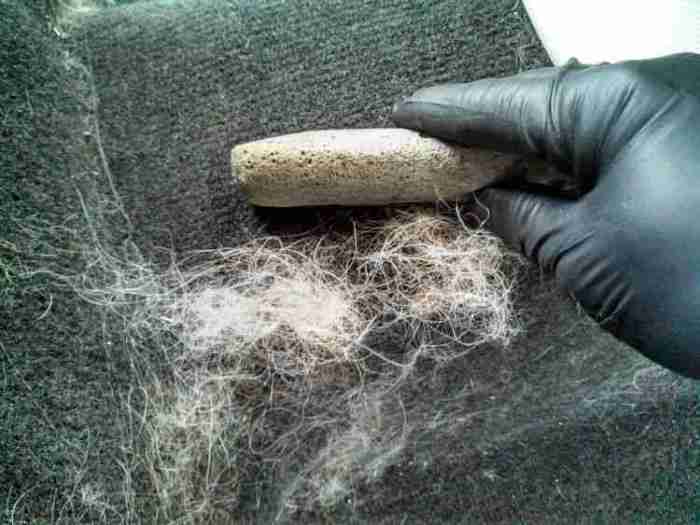
Stubborn pet hair, that seemingly refuses to budge, can be a frustrating part of pet ownership. Regular methods might not always be sufficient for these persistent fibers, particularly on certain upholstery fabrics. Understanding the underlying reasons for stubbornness and employing specialized techniques is key to effectively tackling these challenges.
Specialized Cleaning Solutions for Different Upholstery Materials, Tips for removing pet hair from car upholstery
Different upholstery materials react differently to various cleaning agents. Applying the wrong solution can potentially damage the fabric. Carefully selecting a cleaning solution tailored to the specific upholstery material is crucial. For example, microfiber upholstery often benefits from specialized microfiber cleaning solutions, while leather upholstery requires specific leather-safe cleaners. Avoid harsh chemicals or abrasive cleaners, which can damage the fibers or the finish of the upholstery.
Techniques for Tackling Stubborn Pet Hair
Several techniques can be employed to tackle stubborn pet hair, ranging from using specialized tools to applying targeted cleaning solutions. These methods often involve combining different approaches for optimal results.
- Using a Sticky Lint Roller or Brush: A lint roller or a specialized pet hair brush can be particularly effective for removing stubborn pet hair from fabrics. The sticky surface effectively captures the hair, and the bristles can dislodge deeply embedded hairs. Ensure the roller or brush is suitable for the upholstery material to avoid damaging the fabric.
- Employing a Vacuum with a Specialized Nozzle: A vacuum cleaner with a crevice tool or a specialized pet hair attachment can be extremely effective for extracting stubborn pet hair, especially in tight spaces or crevices. Using the right nozzle is essential to ensure the vacuum’s suction power is targeted effectively to the problem area, minimizing the risk of fabric damage.
- Applying a Pet Hair Remover Spray or Solution: Specialized pet hair remover sprays or solutions are formulated to tackle stubborn pet hair more effectively than standard cleaning agents. These products often contain ingredients that loosen the hair and make it easier to remove with a vacuum or lint roller. Always test the solution on an inconspicuous area of the upholstery first to ensure it doesn’t cause discoloration or damage.
Follow the product instructions carefully to avoid damaging the upholstery.
- Enhancing Removal with a Soft-Bristled Brush: A soft-bristled brush can help loosen and dislodge stubborn pet hair, especially when combined with other methods like vacuuming or using a spray solution. Using the brush in conjunction with a vacuum or a lint roller enhances the removal process by loosening the embedded hairs.
Potential Issues Hindering the Removal Process
Several factors can contribute to the difficulty in removing pet hair. Understanding these potential issues can lead to a more targeted approach to the cleaning process.
- Type of Upholstery Material: Certain upholstery materials, such as textured or woven fabrics, can trap pet hair more easily than smooth surfaces. The weave or texture can create small crevices that hold onto the hair.
- Amount of Hair Accumulation: A large accumulation of pet hair can make removal significantly more challenging. The dense collection of hair can interlock, making it harder to remove individual strands.
- Previous Cleaning Methods: Using improper cleaning methods in the past can sometimes make stubborn pet hair removal more difficult. Harsh chemicals or abrasive materials can cause the hair to become more deeply embedded.
Troubleshooting Guide for Stubborn Pet Hair
A structured approach can help troubleshoot persistent pet hair issues. The following flowchart provides a step-by-step guide to effectively tackling stubborn pet hair.
| Step | Action | Outcome |
|---|---|---|
| 1 | Identify upholstery material | Determine suitable cleaning solutions |
| 2 | Assess hair accumulation | Determine appropriate removal strategy |
| 3 | Test cleaning solution on inconspicuous area | Confirm solution safety and efficacy |
| 4 | Apply cleaning solution (if necessary) | Loosen hair and facilitate removal |
| 5 | Use vacuum with specialized nozzle | Remove loosened hair |
| 6 | Use lint roller or brush | Remove remaining hair |
| 7 | Inspect for remaining hair | Evaluate cleaning success |
Preventing Future Buildup
Maintaining a pet-friendly car interior requires proactive measures to prevent pet hair from accumulating. A consistent approach to grooming, cleaning, and protective measures significantly reduces the need for frequent deep cleaning sessions. Proactive strategies also extend the life of your car’s upholstery.Effective preventative strategies not only reduce the amount of pet hair but also contribute to a cleaner, healthier environment for both you and your furry friend.
This involves a combination of consistent upkeep and strategic applications of protective measures.
Grooming Practices
Regular grooming of your pet is crucial in minimizing the amount of loose hair that can enter the car. Brushing and bathing your pet regularly helps remove shedding hair before it can accumulate on surfaces. This proactive approach significantly reduces the need for intensive cleaning efforts in the car. Moreover, a healthy grooming routine contributes to a healthier pet overall.
Protective Measures
Implementing protective measures on car upholstery is key to preventing pet hair buildup. Consider using specialized pet hair-resistant covers or seat protectors, which can act as a barrier against hair penetration. These protective measures significantly reduce the accumulation of pet hair on the upholstery, saving you time and effort in the long run. Additionally, materials like microfiber upholstery, which are inherently less prone to hair tangling, are excellent choices.
Maintaining a Clean Car Environment
Maintaining a clean car environment involves several crucial steps. Regular vacuuming, both with a handheld and full car vacuum, is essential to remove loose hair and debris before it becomes embedded in the upholstery. Establish a routine for quickly vacuuming after each pet ride, addressing any immediate hair accumulation. This routine significantly minimizes the amount of hair requiring more intensive cleaning in the future.
Moreover, regularly wiping down surfaces with a damp cloth can also remove loose hair and prevent it from becoming ingrained.
Preventative Actions
- Regular Pet Grooming: Establish a consistent grooming schedule for your pet, incorporating brushing and bathing sessions. This helps reduce shedding and minimize the amount of hair that can enter the car.
- Protective Covers: Utilize seat covers or protectors designed to repel pet hair. This creates a barrier between the upholstery and the pet, significantly reducing the amount of hair that accumulates.
- Regular Vacuuming: Vacuum the car interior regularly, focusing on areas where pets frequently sit or rest. This proactive approach prevents hair from becoming embedded in the upholstery.
- Wipe-downs: Use a damp cloth to wipe down surfaces regularly. This helps remove loose hair and prevents it from becoming ingrained, maintaining a clean car environment.
- Designated Pet Areas: If possible, designate specific areas in the car for your pet, such as a pet carrier or a seat that is easily cleaned. This limits the potential spread of hair to other areas of the vehicle.
- Exterior Grooming: Groom your pet outdoors when possible. This reduces the risk of pet hair being tracked inside the car.


