Autonomous Driving Systems
Most innovative vehicle technology for advanced features – Autonomous driving systems promise a future of safer and more efficient transportation. The technology is rapidly evolving, and various levels of autonomy are already being implemented in vehicles on the market. Understanding these different levels, the underlying technologies, and the challenges ahead is crucial for assessing the potential and limitations of this transformative technology.
Levels of Autonomous Driving
Autonomous driving is categorized into various levels, each representing a different degree of vehicle automation. These levels define the extent of driver intervention required in different driving scenarios. A higher level implies greater automation, but also higher development complexity and potential limitations.
- Level 0: No Automation. The driver retains full control of the vehicle at all times.
- Level 1: Driver Assistance. The vehicle provides limited driver assistance functions, such as adaptive cruise control or lane keeping assist. These features only assist the driver, requiring active driver input.
- Level 2: Partial Automation. The vehicle can control acceleration, braking, and steering in certain situations, but the driver remains responsible for monitoring the vehicle and is ready to take control immediately.
- Level 3: Conditional Automation. The vehicle can handle most driving tasks in specific conditions, allowing the driver to disengage from driving duties for periods. However, the driver must be prepared to take control immediately when needed.
- Level 4: High Automation. The vehicle handles all driving tasks in specific geographic areas, and the driver is not expected to intervene. This level is highly reliant on advanced sensors and mapping.
- Level 5: Full Automation. The vehicle handles all driving tasks under all conditions without any driver intervention. This level represents the ultimate goal of autonomous driving, but it is still largely theoretical.
Sensor Technologies
A multitude of sensor technologies are used in autonomous vehicles to perceive the environment. Different sensor types have strengths and weaknesses, which influence their suitability for various applications.
- LiDAR (Light Detection and Ranging): LiDAR systems use lasers to create detailed 3D maps of the surrounding environment. They are highly accurate in detecting objects and their distances, providing crucial information for autonomous vehicles. They are particularly effective in perceiving objects at night or in challenging weather conditions. However, LiDAR systems can be expensive and vulnerable to interference from certain atmospheric conditions.
- Radar (Radio Detection and Ranging): Radar sensors use radio waves to detect objects, offering a comprehensive understanding of their position and speed. Radar systems are generally more affordable than LiDAR, and they can operate in various weather conditions. However, they may have difficulty distinguishing between different objects or perceiving subtle changes in the environment.
- Cameras: Cameras are widely used in autonomous vehicles, providing a comprehensive visual understanding of the surroundings. Cameras are relatively inexpensive and can be used to capture extensive information about the environment. However, their performance is impacted by weather conditions and lighting variations.
Challenges and Limitations
Current autonomous driving systems face numerous challenges, which are crucial to address for the widespread adoption of the technology. These include:
- Robustness in Various Conditions: Autonomous vehicles need to reliably function in diverse weather conditions (rain, snow, fog), lighting conditions, and various traffic situations. Handling complex or unexpected scenarios remains a significant challenge.
- Ethical Dilemmas: Autonomous vehicles face ethical dilemmas when faced with unavoidable accidents. Determining the best course of action in such situations requires careful consideration of potential outcomes and the development of appropriate safety protocols.
- Cybersecurity Risks: Autonomous vehicles are complex systems with multiple interconnected components, making them vulnerable to cyberattacks. Protecting these systems from malicious interference is essential for ensuring their safety and reliability.
Ethical Considerations
The use of autonomous vehicles raises significant ethical considerations, particularly in the event of accidents. Defining responsibility in accident scenarios is crucial.
- Liability in Accidents: Determining liability in accidents involving autonomous vehicles is a complex legal and ethical issue. Defining the responsibility of the vehicle manufacturer, the owner, and the software developers remains a critical consideration.
- Bias in Algorithms: Autonomous driving algorithms are trained on vast amounts of data, which may contain biases reflecting societal prejudices. These biases could lead to unfair or discriminatory outcomes in specific scenarios. Developing algorithms that are free from bias is essential.
Performance Metrics Comparison
A table comparing the performance metrics of different autonomous driving systems can illustrate their capabilities and limitations. The metrics used vary, but key considerations include accuracy, speed, and robustness.
| Autonomous Driving System | Accuracy | Speed | Robustness | Cost |
|---|---|---|---|---|
| LiDAR-based | High | High | High | High |
| Radar-based | Medium | Medium | Medium | Low |
| Camera-based | Medium | Medium | Low | Low |
Electric Vehicle (EV) Technologies: Most Innovative Vehicle Technology For Advanced Features
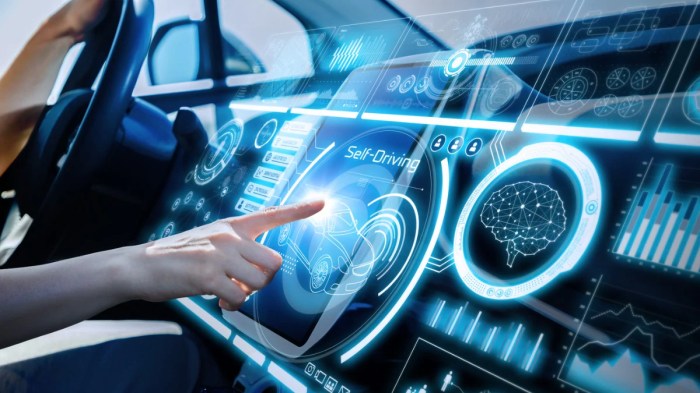
Source: kbb.com
Electric vehicles (EVs) are rapidly gaining popularity due to their reduced environmental impact compared to traditional gasoline-powered cars. This shift necessitates continuous advancements in battery technology, motor design, and charging infrastructure. The evolution of EVs is a dynamic process that requires a multifaceted approach to address various challenges and opportunities.
Battery Technology Advancements
Battery technology plays a crucial role in EV performance. Significant strides have been made in developing more energy-dense and longer-lasting batteries. Lithium-ion batteries are the dominant technology, and ongoing research focuses on improving their specific energy density, cycle life, and safety. Solid-state batteries are emerging as a potential game-changer, promising higher energy density, improved safety, and potentially faster charging times.
These advancements directly influence the range and performance capabilities of EVs.
Electric Motor Design and Efficiency
Electric motors offer superior efficiency compared to internal combustion engines. Improvements in electric motor design have resulted in higher power output and reduced energy consumption. Permanent magnet synchronous motors (PMSMs) are commonly used in EVs due to their high efficiency and power density. The focus on motor design continues to optimize energy conversion, reducing energy loss and increasing overall efficiency.
Advanced motor control systems further enhance performance and efficiency.
Charging Infrastructure Comparison
Charging infrastructure varies significantly across different regions. Developed nations often have more extensive and readily available public charging networks. These networks usually consist of both fast-charging and slower charging stations, tailored to various needs. Developing nations, in contrast, often face a more limited and less developed charging infrastructure. This difference in infrastructure availability necessitates strategic investments in public charging networks to facilitate wider EV adoption in these regions.
Environmental Impact of EV Production and Usage
The environmental impact of EVs extends beyond their usage. The production of batteries and other EV components requires significant resources and energy. While EVs produce zero tailpipe emissions, the manufacturing process can still contribute to greenhouse gas emissions. Efforts to improve the sustainability of the entire EV lifecycle, from raw material extraction to battery recycling, are crucial for achieving the full environmental benefits of EVs.
This encompasses efficient battery production methods and responsible recycling processes.
Strategies for Improving Range and Charging Speed
Several strategies are being implemented to improve the range and charging speed of EVs. These strategies include enhancing battery chemistry and design, developing advanced charging technologies, and optimizing vehicle aerodynamics. Furthermore, the integration of smart charging algorithms and vehicle-to-grid (V2G) technology can improve energy management and efficiency. Continued research and development in these areas will contribute to greater EV adoption.
EV Models and Specifications
| Model | Range (miles) | Charging Time (hrs) | Motor Type | Battery Capacity (kWh) |
|---|---|---|---|---|
| Tesla Model 3 | 300-400+ | 0.5-1.5 | Permanent Magnet Synchronous Motor (PMSM) | 75-100+ |
| Chevrolet Bolt EUV | 259 | 0.5-2.5 | Permanent Magnet Synchronous Motor (PMSM) | 66 |
| Nissan Leaf | 220-240 | 0.5-2.5 | Permanent Magnet Synchronous Motor (PMSM) | 40 |
Connectivity and Communication Systems
Vehicle connectivity is rapidly evolving, enabling seamless communication between vehicles and their surroundings. This interconnectedness promises to revolutionize transportation, improving safety and efficiency. Sophisticated communication systems are crucial for advanced driver-assistance systems and autonomous driving capabilities, creating a more intelligent and responsive transportation network.
Vehicle-to-Everything (V2X) Communication
V2X communication, encompassing various types of vehicle-to-everything interactions, is a fundamental aspect of modern connected vehicles. It enables vehicles to exchange information with other vehicles, infrastructure, and pedestrians, leading to a more aware and responsive transportation environment. This enhanced awareness allows for a proactive approach to safety and optimized traffic flow.
Vehicle-to-Infrastructure (V2I) Communication, Most innovative vehicle technology for advanced features
V2I communication facilitates real-time data exchange between vehicles and roadside infrastructure. This exchange allows for the dissemination of critical information, such as traffic conditions, road closures, and construction zones, enabling vehicles to adapt their routes and speeds accordingly. Deployment of intelligent traffic management systems using V2I communication leads to improved traffic flow and reduced congestion. Technologies used in V2I communication include Dedicated Short-Range Communications (DSRC), Cellular Vehicle-to-Everything (C-V2X), and Wi-Fi.
Security Concerns in Vehicle Communication Systems
Security is a paramount concern in connected vehicle systems. Potential vulnerabilities in communication networks could expose vehicles to malicious attacks, potentially compromising safety and privacy. Secure communication protocols and robust encryption methods are essential to mitigate these risks. Security measures, such as authentication and authorization protocols, are vital to prevent unauthorized access to vehicle data and control systems.
Comparison of Communication Protocols
Various communication protocols are used in connected vehicles. Each protocol offers unique advantages and disadvantages in terms of range, reliability, and cost. Factors such as data rate, latency, and security features must be considered when selecting the appropriate protocol. DSRC is a dedicated short-range communication system, while C-V2X leverages cellular networks for broader coverage.
Types of V2X Communication and Their Applications
| Type of V2X Communication | Description | Applications |
|---|---|---|
| Vehicle-to-Vehicle (V2V) | Communication between vehicles to share information about their location, speed, and intentions. | Collision avoidance, adaptive cruise control, and enhanced safety features. |
| Vehicle-to-Infrastructure (V2I) | Communication between vehicles and roadside infrastructure to receive information about traffic conditions, road closures, and other relevant data. | Improved traffic flow, optimized navigation, and enhanced safety. |
| Vehicle-to-Pedestrian (V2P) | Communication between vehicles and pedestrians to enhance safety and improve awareness. | Pedestrian safety, especially in areas with high pedestrian traffic, such as crosswalks and pedestrian zones. |
| Vehicle-to-Cyclist (V2C) | Communication between vehicles and cyclists to share information about their location, speed, and intentions. | Collision avoidance, especially in shared road environments, and improved safety for cyclists. |
Advanced Safety Features
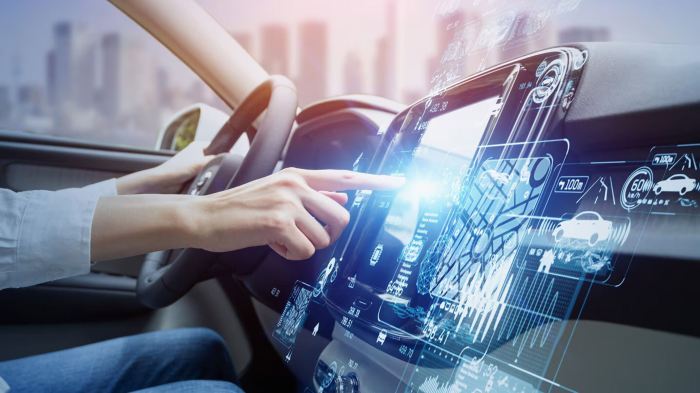
Source: citizenside.com
Modern vehicles are increasingly incorporating advanced safety features designed to mitigate risks and enhance overall driver and passenger safety. These systems, ranging from active safety mechanisms to passive safety designs, play a crucial role in reducing accident severity and improving the driving experience. A multifaceted approach encompassing various technologies is employed to achieve this goal.Advanced safety features are evolving rapidly, pushing the boundaries of what’s possible in vehicle protection.
These advancements aim to not only prevent accidents but also minimize the impact of those that do occur. The combination of active and passive safety systems, often integrated with advanced driver-assistance systems (ADAS), creates a comprehensive approach to vehicle safety.
Latest Advancements in Active Safety Systems
Active safety systems are designed to prevent accidents from happening in the first place. Significant strides have been made in areas like automatic emergency braking (AEB) and lane departure warning (LDW). AEB systems use sensors to detect potential collisions and automatically apply the brakes to avoid or mitigate the impact. LDW systems monitor lane markings and alert the driver if the vehicle drifts outside its lane, providing a critical safety net.
Other active safety features, such as adaptive cruise control (ACC), are becoming more sophisticated, adjusting vehicle speed to maintain a safe distance from preceding vehicles.
Role of Passive Safety Features in Minimizing Accident Severity
Passive safety features are designed to protect occupants in the event of an accident. These features include reinforced body structures, crumple zones, and airbags. The design of these features aims to absorb and distribute impact forces, reducing the severity of injuries sustained by occupants. Crumple zones, for example, are strategically placed to absorb the energy of a collision, preventing the force from being transmitted directly to the passenger compartment.
Airbags deploy rapidly to protect occupants from impact with interior components.
Use of Advanced Driver-Assistance Systems (ADAS) in Enhancing Safety
Advanced driver-assistance systems (ADAS) are playing a crucial role in improving overall safety. ADAS systems use a variety of sensors, including cameras, radar, and ultrasonic sensors, to provide real-time information about the vehicle’s surroundings. This information allows the vehicle to react to potential hazards more quickly and effectively. Examples of ADAS features include adaptive cruise control (ACC), lane-keeping assist, and blind-spot monitoring.
These systems provide a layered approach to safety, assisting the driver in maintaining situational awareness and reacting appropriately to changing conditions.
Examples of Sensor Fusion in Improving Safety
Sensor fusion is a powerful technique that combines data from multiple sensors to provide a more comprehensive understanding of the vehicle’s surroundings. By integrating data from cameras, radar, and lidar, vehicles can perceive their environment more accurately and respond to potential hazards more effectively. For instance, a system combining radar data with camera data can provide a more detailed understanding of the surrounding environment, leading to better decisions in critical situations.
This integration leads to improved performance in automatic emergency braking, lane departure warning, and adaptive cruise control.
Comparison of Active Safety Feature Effectiveness
| Feature | Description | Effectiveness (estimated rating – 1-5, 5 being highest) | Explanation |
|---|---|---|---|
| Automatic Emergency Braking (AEB) | Automatically applies brakes to prevent or mitigate collisions | 4 | AEB systems have demonstrated a significant reduction in rear-end collisions. |
| Lane Departure Warning (LDW) | Alerts the driver if the vehicle drifts outside its lane | 3 | LDW systems can help prevent lane-change accidents and reduce the risk of unintended lane departures. |
| Adaptive Cruise Control (ACC) | Maintains a safe distance from preceding vehicles | 4 | ACC reduces the likelihood of rear-end collisions and improves traffic flow. |
Note: Effectiveness ratings are estimated and may vary based on specific implementation and driving conditions.
Infotainment and User Experience
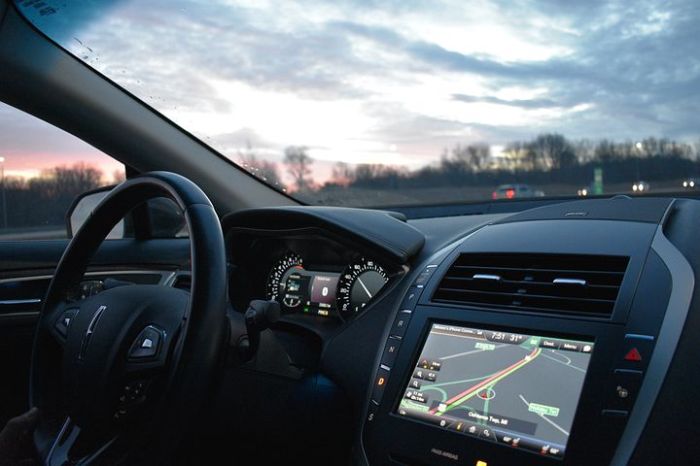
Source: automechanicnews.com
Infotainment systems in vehicles have undergone a significant transformation, evolving from simple radio players to sophisticated hubs integrating communication, entertainment, and navigation. This evolution has been driven by advancements in technology and a growing demand for personalized and seamless in-car experiences. The user experience is now a key differentiator in the automotive market, influencing customer satisfaction and purchase decisions.Modern infotainment systems are not just about entertainment; they are increasingly integral to the driver’s experience and safety, impacting both comfort and control.
They seamlessly integrate with other vehicle systems, such as advanced driver-assistance systems (ADAS), to provide a comprehensive and connected driving experience.
Evolution of In-Car Infotainment Systems
Early infotainment systems were primarily focused on radio and basic audio playback. Over time, they have become increasingly complex, incorporating navigation, communication, and entertainment features. The addition of touchscreens and smartphone integration further enhanced the user experience, making the in-car interface more intuitive and interactive. This progression showcases the continuous drive for enhanced user experience and technological integration within the vehicle.
Integration of Advanced Technologies
Augmented reality (AR) overlays and voice assistants are rapidly transforming the way drivers interact with their vehicles. AR displays can overlay information like turn-by-turn directions onto the driver’s view of the road, minimizing distractions. Voice assistants allow drivers to control various vehicle functions hands-free, enhancing safety and convenience. These technologies provide an intuitive and less distracting way to access features, leading to a safer and more efficient driving experience.
Impact of User Interfaces on Driver Experience
User interfaces (UI) significantly impact the driver’s experience. Intuitive and user-friendly interfaces promote seamless operation and minimize distractions. Complex or poorly designed UIs can lead to frustration and errors, potentially compromising safety. Therefore, user-centered design principles are paramount in developing modern infotainment systems. Modern infotainment systems are increasingly designed with user-centric principles in mind, leading to better usability and safety.
Future Trends in In-Car Entertainment and Communication
Future trends in in-car entertainment and communication include personalized content recommendations, seamless integration with personal devices, and the use of more immersive technologies like virtual reality (VR). Personalized content experiences, like tailored music playlists or recommendations for points of interest, will enhance the individual’s journey. Seamless integration with personal devices will allow for easy access to personal data and entertainment services, streamlining the in-car experience.
Detailed Description of a Future Infotainment System
Imagine a future infotainment system that adapts to the driver’s preferences and driving style. The system could dynamically adjust the display content based on the time of day, location, and the driver’s fatigue level. Personalized recommendations for music, podcasts, or audiobooks could be seamlessly integrated into the system. Haptic feedback and intuitive voice commands could further enhance the seamless interaction with the system.
For example, the system could adjust the cabin lighting and temperature to optimize the driver’s comfort and focus. This futuristic infotainment system is poised to revolutionize the driving experience, offering a personalized and engaging journey.
Table of Infotainment Systems in Various Car Models
| Car Model | Infotainment System | Key Features |
|---|---|---|
| Model A | System X | Navigation, audio streaming, smartphone integration |
| Model B | System Y | AR navigation overlays, voice assistant control, advanced safety features integration |
| Model C | System Z | VR-enhanced entertainment, personalized content recommendations, haptic feedback |
Sustainable Materials and Manufacturing
The automotive industry is increasingly recognizing the critical need for environmentally conscious practices throughout the entire vehicle lifecycle. This necessitates a shift towards sustainable materials, optimized manufacturing processes, and robust recycling strategies. Adopting these approaches reduces the industry’s environmental footprint and contributes to a more sustainable future.The transition towards sustainable materials and manufacturing isn’t merely a trend; it’s a fundamental shift in the automotive industry’s approach to production.
This involves exploring innovative materials, refining manufacturing techniques, and integrating circular economy principles to minimize waste and maximize resource efficiency. The goal is to create vehicles that are not only functional but also environmentally responsible.
Sustainable Materials in Vehicle Construction
A variety of sustainable materials are being explored for use in vehicle construction. These include bio-based plastics derived from plant sources, recycled polymers, and advanced composites. The use of these materials is becoming increasingly common in interior components like dashboards, door panels, and seats, as well as in exterior components like bumpers and body panels.
Advancements in Lightweighting Technologies
Lightweighting technologies are crucial for improving fuel efficiency and reducing emissions. Advanced materials like carbon fiber composites and high-strength steel alloys are enabling the development of lighter vehicle structures without compromising safety. Aluminum alloys and magnesium alloys are also frequently used for their high strength-to-weight ratios. These materials significantly reduce the vehicle’s overall weight, resulting in reduced fuel consumption and lower emissions.
Strategies for Reducing Vehicle Manufacturing’s Environmental Footprint
Minimizing the environmental impact of vehicle manufacturing involves several key strategies. These include optimizing energy consumption in manufacturing facilities, implementing closed-loop recycling systems for waste materials, and utilizing renewable energy sources. Companies are also exploring alternative manufacturing processes, such as 3D printing, to reduce material waste and improve efficiency. Furthermore, the use of recycled materials in manufacturing processes can reduce the demand for virgin materials, further minimizing the environmental impact.
Environmental Impact Comparison of Vehicle Materials
| Material | Environmental Impact (Estimated) | Description |
|---|---|---|
| Steel | Medium | Common, readily available, but resource-intensive to produce. |
| Aluminum | Low | High strength-to-weight ratio, less energy-intensive to produce compared to steel. |
| Carbon Fiber Composites | Medium-Low | Lightweight, high strength, but production process can have a higher carbon footprint. |
| Bio-based Plastics | Low | Derived from renewable resources, but the sustainability of the entire production chain must be evaluated. |
Note: Environmental impact estimations are relative and can vary depending on specific production processes and regional factors.
The Role of Recycling in the Vehicle Lifecycle
Recycling plays a critical role in the vehicle lifecycle, minimizing the environmental impact and maximizing resource utilization. Advanced recycling technologies can recover valuable materials from end-of-life vehicles, including metals, plastics, and rubber. These materials can then be repurposed in new vehicles or other products, creating a closed-loop system. Successful recycling programs contribute significantly to the sustainability of the entire automotive industry.
Design Proposal for a Vehicle Made Entirely from Recycled Materials
A hypothetical vehicle design, crafted entirely from recycled materials, could incorporate a body constructed from recycled aluminum alloys, strengthened with recycled carbon fiber composites. The interior could feature recycled plastics for seating, dashboards, and door panels. This approach could create a sustainable vehicle, significantly reducing reliance on virgin resources. The design could incorporate modularity and adaptability for different components and materials that can be recycled and reused during the vehicle’s lifecycle.
This design concept highlights the potential for creating vehicles that have a significantly smaller environmental footprint.
Advanced Driver Assistance Systems (ADAS)
Advanced Driver Assistance Systems (ADAS) are a crucial element in modern vehicles, enhancing driver safety and comfort. These systems utilize a variety of sensors and sophisticated algorithms to provide drivers with warnings and support in various driving situations. ADAS is evolving rapidly, with ongoing advancements in sensor technology and artificial intelligence, leading to increasingly capable and reliable systems.
ADAS Feature Explanation
ADAS features encompass a broad range of technologies designed to assist drivers in a variety of situations. These systems typically employ sensors like cameras, radar, and ultrasonic sensors to perceive the vehicle’s surroundings and identify potential hazards. The data collected is processed by sophisticated algorithms that trigger warnings or interventions, ultimately aiding the driver in maintaining safe operation.
Types of ADAS Technologies and Their Functions
Various ADAS technologies contribute to enhanced safety and driving experience. Lane Departure Warning (LDW) systems, for instance, monitor lane markings and alert the driver if the vehicle veers unintentionally from its lane. Adaptive Cruise Control (ACC) automatically adjusts the vehicle’s speed to maintain a safe distance from the vehicle ahead. Forward Collision Warning (FCW) and Automatic Emergency Braking (AEB) systems use radar and cameras to detect potential collisions and, if necessary, apply the brakes automatically to mitigate the impact.
Blind Spot Monitoring (BSM) systems use radar to detect vehicles in the driver’s blind spots, providing visual or audible warnings. Traffic Sign Recognition (TSR) systems identify traffic signs and display the information to the driver. Parking Assistance systems, including parking sensors and automated parking, ease parking maneuvers.
Role of ADAS in Enhancing Safety and Driving Experience
ADAS significantly enhances safety by mitigating risks associated with driver error. Systems like AEB reduce the severity of collisions, potentially preventing accidents altogether. Features like ACC contribute to a smoother and more comfortable driving experience, especially on highways. Improved situational awareness afforded by ADAS features allows drivers to focus on other aspects of driving, such as navigation or communication.
The integration of ADAS features into vehicles provides a tangible improvement in safety and efficiency for drivers and passengers.
Comparison of ADAS System Performance
The performance of ADAS systems varies across different manufacturers and models. Factors influencing performance include sensor accuracy, processing speed, and the sophistication of the algorithms employed. Some systems demonstrate greater reliability in various conditions, such as adverse weather or low-light environments. Comparative testing and independent reviews provide insights into the performance characteristics of different ADAS systems. Ongoing advancements in technology continually improve the performance and capabilities of ADAS features.
Development and Testing Process of ADAS Features
The development and testing of ADAS features are rigorous and comprehensive. Extensive simulations and real-world testing in various conditions are crucial for validating the performance and reliability of these systems. Safety protocols and standards are strictly adhered to throughout the development process to ensure that the systems meet or exceed safety requirements. Testing includes simulated scenarios, such as emergency braking situations, lane-change maneuvers, and various weather conditions, to evaluate the system’s responses and resilience.
Comparison Table of ADAS Systems Across Different Vehicle Manufacturers
| Vehicle Manufacturer | Key ADAS Features | Performance Metrics (e.g., Collision Avoidance Rate) | Sensor Technology |
|---|---|---|---|
| Manufacturer A | ACC, FCW, AEB, LDW, BSM | High collision avoidance rate in testing | Advanced radar and camera systems |
| Manufacturer B | ACC, FCW, AEB, LDW, BSM, TSR | Excellent performance in diverse driving conditions | High-resolution camera and radar fusion |
| Manufacturer C | ACC, FCW, AEB, LDW, BSM, Parking Assistance | Consistent performance across different models | Ultrasonic sensors, cameras, and radar |
Note: Performance metrics are based on manufacturer data and independent testing. Specific features and performance metrics may vary across different models within each manufacturer.