
Recognizing Common Symptoms
How to identify and address early signs of car trouble – Understanding the subtle differences between normal wear and tear and early warning signs of car trouble is crucial for proactive maintenance. Ignoring these early indicators can lead to more significant and costly repairs down the road. A proactive approach to car care saves money and ensures a smoother driving experience.
Engine Issues
Engine problems are often the first to manifest as subtle changes in performance. Recognizing these early signs allows for timely intervention, potentially preventing more significant damage. Pay close attention to changes in the engine’s behavior.
- Rough idling: A noticeable vibration or sputtering during idle can indicate issues with the fuel system, ignition, or even a failing sensor. A smooth, steady idle is a hallmark of a healthy engine.
- Loss of power: A gradual decrease in acceleration response, or a sudden loss of power, could stem from various causes, such as a clogged air filter, low fuel pressure, or even a failing catalytic converter.
- Unusual noises: A knocking, ticking, or rattling sound from the engine compartment merits immediate investigation. These noises often signal wear and tear on components such as bearings, valves, or even the engine block itself.
- Overheating: High engine temperatures can be a serious issue. Consistent overheating suggests problems with the cooling system, such as a malfunctioning radiator, a leak in the hoses, or a failing thermostat.
- Burning smell: A noticeable smell of burning oil or fuel can be an indication of a leak or a malfunction in the engine’s lubrication or fuel system.
- Excessive smoke: Smoke coming from the exhaust, particularly black smoke, can point to issues with the combustion process, such as a rich fuel mixture or a problem with the catalytic converter.
- Hesitation: Intermittent or sudden stalling, along with a lack of acceleration, can be an indicator of a fuel delivery or ignition problem.
- Stalling: Consistent stalling, or inability to start, can indicate a problem with the fuel system, ignition system, or even the battery.
- Check Engine Light: The presence of this warning light warrants a visit to a mechanic for diagnosis.
- Unusual vibrations: Significant vibrations at certain speeds can be a symptom of misalignment, unbalanced tires, or a problem with the engine’s rotating components.
Electrical Issues
Electrical problems can range from minor inconveniences to more serious concerns, potentially affecting engine performance and safety. Monitoring electrical systems is essential for maintaining a car’s reliability.
- Dim headlights: Dim headlights could be due to a faulty alternator, a low battery, or a problem with the wiring.
- Intermittent lights: Flickering or inconsistent operation of interior or exterior lights can be a sign of loose connections, corroded wiring, or a failing switch.
- Unresponsive gauges: Non-functional or inaccurate readings on the instrument panel could suggest problems with the wiring harness or a malfunctioning sensor.
- Battery issues: A dead battery can prevent the car from starting, and a failing battery can cause erratic electrical behavior.
Transmission Issues
Problems with the transmission can affect the driving experience, potentially making it uncomfortable or even dangerous. Early detection and intervention are vital.
- Jerking shifts: A sudden, jerky shift pattern can indicate issues with the transmission’s internal components, such as the clutch, the gears, or the fluid.
- Slipping: A transmission that feels like it’s slipping between gears can suggest issues with the clutch, the fluid, or a component related to shifting.
- Grinding: A grinding noise during shifts often signals a problem with the gears or other components within the transmission.
- Unusual noises: Any unusual noise from the transmission, such as a whining or screeching sound, needs immediate attention.
- Sluggish acceleration: A slow response from the vehicle when accelerating, especially when shifting gears, may indicate a transmission problem.
Comparison of Symptoms by Car Type
| Symptom Category | Gasoline Car | Diesel Car | Hybrid Car |
|---|---|---|---|
| Engine Issues | Rough idling, loss of power | Rough idling, hesitation, unusual noise | Loss of power, unusual noise, warning lights |
| Transmission Issues | Jerking shifts, slipping | Jerking shifts, grinding, unusual noise | Jerking shifts, warning lights, sluggish acceleration |
| Electrical Issues | Dim headlights, intermittent lights | Dim headlights, intermittent lights, unresponsive gauges | Dim headlights, intermittent lights, unresponsive gauges |
Troubleshooting Techniques: How To Identify And Address Early Signs Of Car Trouble
Properly diagnosing car trouble often requires a systematic approach. Ignoring early warning signs can lead to more expensive repairs later. This section details effective methods for systematically identifying and addressing these issues.A proactive approach to car maintenance involves regularly checking for potential problems. By employing these techniques, you can catch issues early, potentially saving you significant money and preventing more serious breakdowns.
Systematic Checking Methods
A systematic approach to troubleshooting is crucial. By following a structured sequence of checks, you can efficiently isolate the source of the problem.
- Visual Inspection: A thorough visual inspection of the vehicle’s exterior and undercarriage is essential. Look for leaks, damage, or unusual wear patterns. This initial step can reveal a wide range of issues, from loose connections to fluid leaks.
- Auditory Inspection: Listen attentively for unusual noises, such as knocking, grinding, or hissing sounds. These noises often indicate mechanical problems, and early detection can prevent further damage. Pay particular attention to the sounds emitted when the engine is idling, accelerating, and decelerating.
- Fluid Checks: Regularly checking fluid levels is vital. Low levels of oil, coolant, or brake fluid can lead to serious mechanical issues. Maintaining appropriate fluid levels extends the life of your car’s components. Follow the owner’s manual for specific instructions on how to check and top off these fluids.
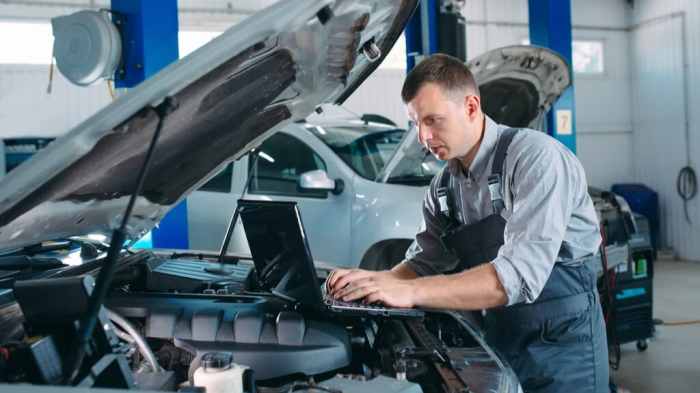
- Diagnostic Tool Use: Utilizing diagnostic tools, such as a multimeter and OBD-II scanner, can provide valuable insights into the car’s electrical and mechanical systems. These tools can pinpoint issues related to sensor readings, engine performance, and other crucial aspects of the car’s operation. The OBD-II scanner will provide specific diagnostic trouble codes, enabling more targeted troubleshooting.
- Record Keeping: Thorough documentation of observations is paramount. Record the date, mileage, and weather conditions when performing checks. This detailed record helps track patterns and identify potential correlations between specific events and car performance. For instance, a recurring problem appearing after a heavy rain could indicate a leak.
Documenting Observations
Maintaining detailed records of your car’s performance is crucial for identifying recurring issues or trends. This process provides valuable insights into potential problems and aids in communication with mechanics.
- Date and Time: Record the date and time of each inspection.
- Mileage: Note the car’s mileage at the time of each inspection.
- Weather Conditions: Document the weather conditions during the inspection, including temperature and precipitation. Weather conditions can impact car performance.
- Observations: Detail any observed issues, including noises, leaks, or unusual smells. Be as specific as possible. A detailed description will help in isolating the problem.
Isolating the Problem
A systematic approach to isolating the problem is key. This method helps to narrow down potential causes and directs your efforts towards the most likely source of the issue.
- Visual Inspection: Begin with a thorough visual inspection, checking for leaks, damage, or unusual wear patterns.
- Listening for Noises: Listen attentively for unusual noises, such as knocking, grinding, or hissing sounds, particularly when the engine is at different operating speeds.
- Testing Components: If the source of the problem isn’t immediately apparent, proceed to test related components.
Using Diagnostic Tools
Diagnostic tools can aid in identifying potential issues, offering a more detailed analysis of the car’s systems. They can be used to check various parameters and provide valuable information.
- Multimeter: A multimeter can measure voltage, current, and resistance in the car’s electrical system, helping to diagnose electrical problems.
- OBD-II Scanner: An OBD-II scanner connects to the car’s onboard diagnostic system. It can read fault codes, offering specific information about the source of the problem.
Checking Fluid Levels
Regularly checking fluid levels is essential for maintaining the health of your car. Low levels can lead to significant problems.
| Fluid | Checking Procedure |
|---|---|
| Oil | Warm up the engine, then check the dipstick. The oil level should be within the specified range. |
| Coolant | Locate the coolant reservoir, ensuring the level is within the specified range. |
| Brake Fluid | Locate the brake fluid reservoir. Ensure the level is within the correct range. |
Addressing Potential Problems
Source: mechanicbase.com
Taking proactive steps to address minor car issues can save you significant expense and frustration down the road. Early intervention often prevents small problems from escalating into major repairs. This section details simple maintenance tasks, DIY repairs, and when to seek professional help.Understanding the nuances of your vehicle’s needs is key to successful maintenance. A well-maintained car will run smoother, last longer, and potentially save you money in the long run.
Basic Maintenance Tasks
A proactive approach to car maintenance often involves simple tasks like topping off fluids and replacing fuses. These tasks are usually straightforward and can be performed with basic tools and knowledge.
- Fluid Checks and Top-offs: Regularly checking and topping off essential fluids like engine oil, coolant, brake fluid, and power steering fluid is crucial. Low fluid levels can lead to engine damage or malfunction. Refer to your owner’s manual for specific fluid types and recommended levels. Visual inspection of the fluid reservoir is recommended, and top-offs should be performed when levels are low, not when they are at the very minimum.
A visual inspection of the fluid level is recommended.
- Fuse Replacement: A blown fuse can prevent certain electrical components from working. If a light isn’t working or an accessory isn’t functioning, check the fuse box in your car’s electrical panel for the corresponding fuse. Consult your owner’s manual for the correct amperage fuse to replace it. Using the wrong fuse can cause further damage. Always ensure the power is off before replacing any fuse.
DIY Repairs
Certain repairs can be performed at home, saving you money and time. These repairs, however, should be approached with caution, as a mistake could lead to further damage.
- Changing a Tire: Knowing how to change a flat tire is an essential skill for any driver. Gather the necessary tools from your car’s kit, follow the steps Artikeld in your owner’s manual, and ensure you are on a safe, level surface before beginning the procedure. Always ensure the spare tire is properly inflated.
- Replacing a Headlight: A burnt-out headlight can impact your visibility and safety. Refer to your owner’s manual for specific instructions. Using the right tools and the correct replacement bulb is essential for a successful repair. Ensure the bulb is properly secured.
Seeking Professional Help
While some problems can be addressed at home, there are instances where professional help is necessary. This is particularly important when the issue involves complex systems or poses a safety risk.
- Complex Issues: Problems involving the engine, transmission, electrical system, or suspension should generally be handled by a qualified mechanic. They have the specialized tools and expertise to diagnose and repair these systems efficiently and correctly. Attempting to repair these components without the necessary experience could cause further damage and lead to additional expenses.
- Safety Concerns: If you experience any safety concerns, such as unusual noises, vibrations, or loss of control, seek professional assistance immediately. These issues could indicate a serious mechanical problem that needs immediate attention.
Documenting Issues, How to identify and address early signs of car trouble
Thorough documentation is crucial when seeking professional help. This allows mechanics to understand the problem more accurately and efficiently.
- Symptom Recording: Note the specific symptoms, such as unusual noises, vibrations, performance issues, or warning lights. Record the date, time, and any specific conditions under which the problem occurred. This data is crucial in diagnosing the problem.
- Photographs: Take pictures of any visible damage, leaks, or warning signs. Include pictures of the car’s dashboard, displaying any error codes or warning lights. Photographs provide a visual record of the problem, helping mechanics to understand the situation better.
Preventive Maintenance
Source: groomingwaves.com
Proactive maintenance is key to avoiding costly repairs and extending the lifespan of your vehicle. Regular checks and scheduled services can prevent minor issues from escalating into major problems, saving you time and money in the long run. By addressing potential issues early, you can maintain optimal performance and safety.
Regular Maintenance Checklist
A consistent maintenance schedule is crucial for preventing future issues. The following checklist Artikels essential tasks for routine car care.
- Fluid Checks: Regularly inspect and top off essential fluids like engine oil, coolant, brake fluid, and power steering fluid. Low fluid levels can lead to significant engine damage or braking problems.
- Tire Inspection: Thoroughly examine tires for wear, cuts, and proper inflation. Under-inflated tires can decrease fuel efficiency and cause uneven tire wear. Ensure proper alignment is maintained.
- Battery Condition: Assess the battery’s condition for corrosion and check the terminals for tightness. A weak battery can hinder the vehicle’s starting ability.
- Filter Replacements: Replace air filters regularly. Clogged filters restrict airflow, impacting engine performance and fuel efficiency. Likewise, replace fuel filters to ensure clean fuel delivery.
- Belt and Hose Inspection: Visually inspect belts and hoses for cracks, wear, or leaks. Damaged belts or hoses can lead to engine failure or loss of critical functions.
- Brake System Inspection: Examine brake pads and rotors for wear. Adequate brake functionality is critical for safety.
- Lights and Wipers: Ensure all exterior and interior lights function correctly and that wipers are in good working order. Proper visibility is essential for safe driving.
Scheduled Maintenance Visits
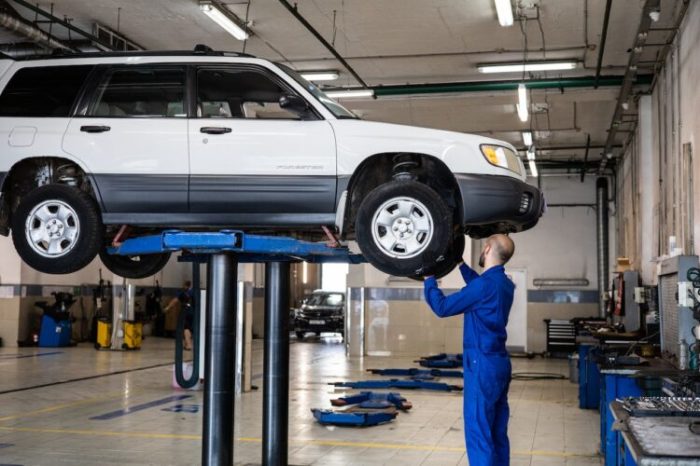
Regular visits to a qualified mechanic are vital for comprehensive maintenance. These visits allow for professional inspections, diagnoses, and necessary repairs, often catching potential issues before they escalate. A mechanic can identify problems that might not be apparent during routine checks.
- Impact of Timely Service: Scheduled maintenance can prevent major repairs. For example, a simple oil change can prevent significant engine damage down the line, whereas early detection of a worn-out part might save the owner from a costly engine replacement.
- Recommended Intervals: Consult your vehicle’s owner’s manual for specific recommended maintenance intervals. These intervals are crucial for maintaining the car’s performance and longevity. Adhering to these guidelines can prevent costly repairs in the future.
Maintaining Optimal Tire Pressure and Alignment
Proper tire pressure and alignment are crucial for vehicle performance and safety. Incorrect tire pressure can significantly impact fuel economy and lead to uneven tire wear. Misaligned tires can also result in handling issues.
- Tire Pressure: Maintain proper tire pressure as recommended by the vehicle manufacturer. Use a reliable tire pressure gauge and check the pressure regularly, especially before long trips. Consistent tire pressure ensures a smooth ride and prevents premature tire wear.
- Alignment: Have your tires aligned periodically, typically every 6,000 to 10,000 miles, or as recommended by your vehicle’s manufacturer. Proper alignment ensures your tires wear evenly and your car handles as designed. Incorrect alignment can result in reduced fuel efficiency and poor handling.
The Role of Regular Oil Changes
Regular oil changes are essential for preventing engine problems. Oil acts as a protective barrier, preventing friction and wear on engine components. A neglected oil change can lead to serious engine damage.
- Engine Protection: Oil changes remove contaminants and debris from the engine, preventing damage to critical components. Regular oil changes ensure the engine operates efficiently and smoothly, prolonging its life.
- Preventing Engine Problems: Clogged oil can hinder the engine’s ability to cool and lubricate effectively. This can lead to overheating, decreased performance, and ultimately engine failure. Following the recommended oil change intervals is crucial for preventing these issues.
Understanding Car Systems

Source: whatdoesmeanings.com
A thorough understanding of your car’s systems is crucial for identifying and addressing potential problems early on. Knowing how these systems work and interact allows you to recognize subtle warning signs and anticipate potential issues, ultimately saving you time and money. This knowledge empowers you to make informed decisions about maintenance and repairs.A well-functioning car is a complex interplay of interconnected systems.
Understanding these systems and how they work together provides valuable insights into potential problems. By familiarizing yourself with the basic functions of each system, you can better interpret warning signs and take appropriate actions.
Basic Functions of Major Car Systems
A car’s systems work together to ensure smooth operation. Understanding their individual roles and interactions is key to anticipating problems.
- Engine System: The engine is the heart of the car, converting fuel into motion. It comprises the combustion process, fuel delivery, ignition, and exhaust systems. Understanding the engine’s function, including how the various components work together, is essential for detecting potential issues like misfires, leaks, or low compression.
- Electrical System: The electrical system powers all the car’s accessories, from lights and wipers to the engine itself. This system involves the battery, alternator, wiring, and various electrical components. Understanding this system helps diagnose issues like dead batteries, faulty alternators, or wiring problems, which often manifest as flickering lights or malfunctioning accessories.
- Braking System: The braking system is critical for vehicle control. It involves the brake pads, rotors, calipers, and brake lines. Understanding how these components interact, like the pressure build-up in the system, is important for identifying potential brake problems, such as squeaking noises, spongy pedal feel, or uneven brake performance.
Interaction of Car Systems
Cars are not just collections of independent parts; they are complex networks of interacting systems. Knowing how these systems interact is crucial for understanding how problems in one area can affect others.
- Engine and Electrical Systems: The electrical system powers the engine components, including ignition, fuel pump, and sensors. Problems in the electrical system, such as a faulty alternator, can lead to engine performance issues. Similarly, issues with the engine, like a damaged fuel pump, can affect the electrical system’s ability to power the car’s accessories.
- Engine and Braking Systems: Engine performance impacts braking. A malfunctioning engine, such as one with low compression, can lead to a loss of power and impact the braking system’s ability to stop the vehicle effectively. On the other hand, a worn-out braking system can affect the engine’s overall performance due to increased strain and reduced power.
- Electrical and Braking Systems: The electrical system controls the braking system, providing power to essential components. A faulty electrical system can result in issues like malfunctioning brake lights, or even inability to engage the brakes, highlighting the interconnectedness of these two systems.
Importance of Understanding Your Car Model
Different car models have different systems and designs. Understanding your specific car model is essential for accurate diagnosis and maintenance. For example, a certain type of engine might have specific maintenance requirements or be prone to particular types of failures. Understanding your car’s specific setup enables you to locate the correct diagrams and repair manuals for accurate diagnosis and efficient troubleshooting.
Role of Sensors in Identifying Issues
Sensors play a crucial role in monitoring various aspects of the car’s operation and alerting you to potential problems. Sensors detect issues by monitoring specific conditions, such as temperature, pressure, or position. When a sensor detects an anomaly, it triggers a warning light or an error code, providing valuable clues for diagnosis.
- Engine Sensors: Engine sensors monitor parameters like temperature, pressure, and oxygen levels, providing insights into engine health. For example, a faulty oxygen sensor might cause the engine to run poorly or produce unusual emissions.
- Braking Sensors: Sensors in the braking system monitor brake fluid levels and pressure, providing an early warning about potential issues. A low brake fluid level, indicated by a sensor, can prevent a potential catastrophic brake failure.
- Electrical Sensors: Electrical sensors monitor various electrical components, detecting issues such as battery voltage or alternator output. This early detection of an issue, often indicated by a warning light, helps to prevent electrical system failures.


