
Understanding Car Battery Types

Source: petrol.net
How to choose the right car battery for your needs – Choosing the right car battery is crucial for reliable vehicle operation. Different battery chemistries offer varying performance characteristics, impacting factors like lifespan, maintenance needs, and cost. Understanding these distinctions allows informed decisions aligned with individual vehicle and driving needs.
Flooded Lead-Acid Batteries
Flooded lead-acid batteries, the most common type, are relatively inexpensive. They utilize a liquid electrolyte within the battery case. These batteries are readily available and widely used due to their affordability. However, their performance and lifespan can be affected by factors such as temperature fluctuations and depth of discharge.
AGM (Absorbent Glass Mat) Batteries
AGM batteries use a special absorbent material to hold the electrolyte, preventing spills and improving performance in challenging conditions. This design enhances vibration resistance, making them suitable for vehicles that experience frequent jolts or vibrations. AGM batteries generally offer a longer lifespan than flooded batteries, but at a higher cost. Their sealed construction reduces maintenance requirements.
Lithium-Ion Batteries
Lithium-ion batteries represent a cutting-edge technology in automotive applications. They deliver exceptional performance and a longer lifespan compared to conventional options. Lithium-ion batteries are known for their compact size and high energy density. While significantly more expensive than other types, their reduced weight and enhanced performance are attractive features. However, they are more sensitive to extreme temperatures and require specialized charging management.
Factors Influencing Battery Choice
Several factors influence the best battery type for a specific vehicle. Vehicle make and model specifications are critical, as different vehicles have varying electrical demands. Climate conditions also play a role; for example, extreme temperatures can significantly impact battery performance. Regular use patterns and driving habits can influence battery choice as well. Consider the vehicle’s usage frequency, the typical distances traveled, and the amount of electrical accessories used.
Battery Type Comparison Table
| Type | Lifespan (Years) | Maintenance | Cost | Suitability |
|---|---|---|---|---|
| Flooded Lead-Acid | 2-4 | Moderate (periodic checks) | Lowest | Suitable for most vehicles, especially older models, and budget-conscious drivers. |
| AGM | 4-6 | Low (less frequent checks) | Mid-range | Ideal for vehicles with high vibration, extreme climates, or increased electrical load. |
| Lithium-Ion | 5-8+ | Low (specialized chargers required) | Highest | Suitable for high-performance vehicles, electric vehicle conversions, and those seeking long-term reliability and reduced weight. |
Determining Your Vehicle’s Battery Requirements
Source: wordpress.com
Choosing the right car battery involves more than just picking a size. Understanding your vehicle’s specific needs is crucial for ensuring reliable starting and optimal performance. This section details the steps to identify the correct battery size and specifications for your car, considering factors like accessories and electrical demands.Accurate identification of your vehicle’s battery requirements is paramount. A battery that’s underpowered will struggle to start your car, especially in cold weather.
Conversely, a battery that’s too large for your vehicle will be unnecessary and potentially costly. By understanding the specifications required for your car, you can make an informed decision.
Identifying Your Vehicle’s Battery Size and Specifications
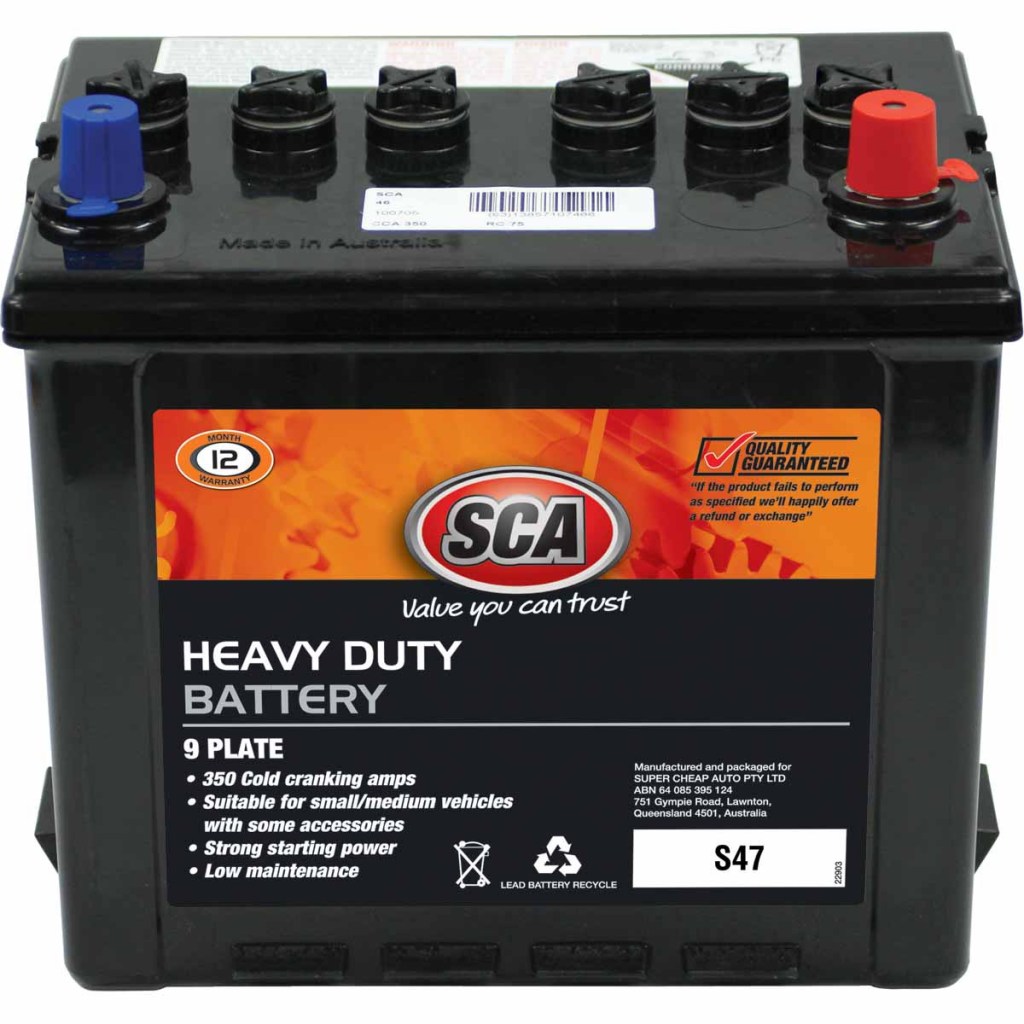
To determine the appropriate battery size and specifications, you must first ascertain your vehicle’s requirements. The crucial data needed includes the cranking amps (CA) and cold cranking amps (CCA), and the battery’s current model and size.
Locating Cranking and Cold Cranking Amps
The owner’s manual is the primary source for finding the required cranking amps (CA) and cold cranking amps (CCA). These values are essential parameters for determining the battery’s ability to start your vehicle, especially in cold weather. Alternatively, reliable online resources dedicated to car parts and maintenance can provide this information. Consulting the manual or these resources will ensure you select a battery that meets your car’s specific requirements.
Finding the Battery’s Current Model and Size
The battery’s current model and size can be identified by looking at the battery itself. This information is often stamped directly onto the battery’s casing. Alternatively, you can check your owner’s manual or contact a local auto parts store. Proper identification ensures you select a replacement battery that fits your car’s existing battery compartment.
Impact of Accessories and Electrical Demands
Vehicle accessories and electrical demands can significantly influence the battery’s capacity requirements. Features like power windows, a sound system, or a navigation system draw additional power, requiring a larger capacity battery to adequately supply the electrical needs of these accessories. Consider the electrical load imposed by these features when choosing a replacement battery.
Common Battery Sizes and Their CCA/MCA Ratings
| Battery Size | CCA Rating | MCA Rating |
|---|---|---|
| Group 35 | 450-550 | 300-400 |
| Group 40 | 500-600 | 400-500 |
| Group 42 | 550-700 | 450-600 |
| Group 50 | 600-800 | 500-700 |
| Group 60 | 800-1000 | 700-900 |
Note: These are general ranges; precise values may vary based on the manufacturer and specific vehicle model.
This table provides a general overview of common battery sizes and their corresponding CCA/MCA ratings. Using this table as a reference, along with your vehicle’s specific requirements, you can effectively choose a battery that meets your needs.
Evaluating Battery Capacity and Performance
Choosing the correct car battery involves more than just its physical size. Understanding its capacity and performance characteristics is crucial for ensuring reliable vehicle starting, especially in challenging conditions. This section delves into the key factors influencing battery performance and how to assess a battery’s suitability for your vehicle.Battery capacity, measured in ampere-hours (Ah), indicates the amount of charge a battery can store.
Higher capacity batteries can supply more current for longer periods, which is beneficial for vehicles with higher electrical demands, such as those with numerous accessories or demanding electronics. However, simply having high capacity isn’t the sole determining factor. Other crucial metrics, such as cold cranking amps (CCA), are equally important.
Battery Capacity and Starting Performance
Battery capacity directly affects the vehicle’s ability to start, particularly in cold weather. A battery with a lower capacity may struggle to provide the necessary current to turn the engine, leading to starting difficulties or outright failure. This is especially critical in cold climates or when the battery is nearing the end of its lifespan.
CCA/MCA and Cold Weather Starting Ability
Cold Cranking Amps (CCA) and Marine Cranking Amps (MCA) are crucial specifications for evaluating a battery’s ability to deliver the necessary current for starting in cold temperatures. These ratings indicate the amount of current a battery can produce for a short duration to start the engine. Higher CCA/MCA ratings translate to improved cold weather starting performance. For example, a battery with a high CCA rating will be more reliable in frigid temperatures compared to one with a lower rating.
A battery with a 700 CCA rating might struggle to start a vehicle in very cold conditions, whereas one with a 1000 CCA rating would have a much higher chance of successful starting. MCA is a similar measure, but specifically designed for marine applications and typically used for larger engines.
Factors Influencing Battery Performance
Several factors influence a battery’s overall performance. Age is a significant contributor; as a battery ages, its ability to hold a charge and deliver current diminishes. Proper maintenance, including regular charging and preventing corrosion, is vital for prolonging its lifespan. The number of charge/discharge cycles a battery undergoes also impacts its performance. Each cycle reduces the battery’s capacity, and excessive cycling can significantly shorten its life.
Testing Methods for Battery Health
Various methods exist for assessing a battery’s current state of health. A simple visual inspection can reveal signs of damage or corrosion. A load test, performed by a professional or using a specialized tester, simulates the demands placed on the battery during starting, providing a more comprehensive evaluation of its performance. A hydrometer test measures the specific gravity of the electrolyte, which can indicate the state of charge and overall health of the battery.
Battery Capacity Ratings and Performance Implications
| Capacity Rating (Ah) | CCA/MCA Rating (Typical Range) | Vehicle Performance Implications |
|---|---|---|
| 40-60 Ah | 400-650 CCA | Suitable for smaller vehicles with minimal electrical accessories. May struggle to start in cold temperatures or with high accessory use. |
| 60-80 Ah | 600-800 CCA | Suitable for most passenger cars with moderate electrical loads. Provides better cold weather starting ability than lower capacity batteries. |
| 80-100 Ah | 750-1000 CCA | Suitable for larger vehicles, trucks, and SUVs, or those with extensive electrical accessories. Excellent cold weather starting ability. |
This table provides a general guideline. Specific requirements may vary depending on the make, model, and year of your vehicle.
Considering Environmental Factors
Choosing the right car battery involves more than just its capacity and cold cranking amps. Environmental factors significantly impact a battery’s performance and lifespan. Understanding these factors allows you to select a battery better suited to your local climate and driving conditions.Environmental factors, such as temperature fluctuations and ventilation, can dramatically affect battery performance. A battery designed for a warm climate may not perform as well in frigid conditions, and vice versa.
Understanding these nuances helps ensure your vehicle’s electrical system operates optimally regardless of the weather.
Impact of Temperature on Battery Performance, How to choose the right car battery for your needs
Temperature significantly affects a car battery’s ability to store and deliver power. Extreme temperatures, both hot and cold, can reduce battery performance and shorten its lifespan. Warmer temperatures accelerate battery discharge rates, leading to reduced cranking power. Conversely, cold temperatures reduce the battery’s ability to hold a charge, impacting starting reliability.
Temperature and Discharge/Charging Rates
Higher temperatures accelerate the rate at which a battery discharges. This is because the chemical reactions within the battery occur more rapidly at higher temperatures, leading to faster power depletion. Conversely, lower temperatures slow down these reactions, resulting in slower discharge rates. The rate at which a battery can be charged is also influenced by temperature. High temperatures can cause the battery to overheat, while low temperatures can impede the charging process.
Importance of Proper Ventilation
Adequate ventilation around the battery is crucial for preventing overheating and maintaining optimal performance. A battery that is not properly ventilated can overheat, causing damage to the battery and potentially leading to dangerous situations. Overheating can result in gas build-up, which can lead to electrolyte leakage, further reducing battery performance and potentially causing damage to surrounding components. Ensure adequate space and airflow around the battery to prevent overheating.
Impact of High Temperatures
High temperatures significantly reduce battery performance and can lead to overheating. Excessive heat can cause the battery’s internal components to degrade faster, shortening its lifespan. In extreme cases, overheating can cause the battery to leak or even explode, posing safety risks. When operating in hot climates, consider selecting a battery designed for higher temperatures.
Impact of Extreme Cold Temperatures
Extreme cold temperatures can also negatively impact battery performance. In very cold weather, the battery’s electrolyte becomes less conductive, hindering its ability to deliver power. This can result in difficulty starting the vehicle or even complete failure to start. In cold climates, choosing a battery with a higher cold cranking amp (CCA) rating is essential to ensure reliable starting in low temperatures.
The CCA rating indicates the battery’s ability to provide power when it is cold.
Researching Battery Brands and Models
Choosing the right car battery involves more than just capacity and type. Thorough research into reputable brands and specific models is crucial for ensuring a reliable and long-lasting power source for your vehicle. This includes understanding the strengths and weaknesses of different models, and evaluating the reliability of the manufacturer.Understanding the nuances of different battery brands and models allows you to make an informed decision, maximizing the lifespan and performance of your car battery.
This in turn translates to reduced maintenance costs and fewer unexpected breakdowns.
Reputable Car Battery Brands
A variety of reputable brands produce car batteries, each with a track record of quality and performance. Recognized names in the industry offer a wide range of options to cater to diverse vehicle needs and budgets. Consider factors like warranty periods, customer reviews, and production standards when evaluating brands.
- Bosch: A globally recognized brand known for its robust construction and consistent performance.
- Delkor: A popular choice, particularly in some parts of the world, often praised for its affordability and reliability.
- Exide: A long-standing brand known for durability and performance, often featuring advanced technologies.
- Yuasa: A respected manufacturer with a strong focus on advanced battery technology and long lifespan.
- Optima: Often preferred for their high-performance designs, but can be more expensive compared to some alternatives.
Comparing Battery Models Within a Brand
Different models within the same brand can exhibit varying characteristics. Comparing these models allows you to choose the best fit for your specific vehicle.
- Bosch S5: Known for its high cranking power, making it a good choice for older vehicles or those requiring substantial starting power.
- Bosch Silver: Often a balanced option, offering a good compromise between cost and performance.
- Optima RedTop: Designed for high-performance applications, these batteries excel in extreme conditions or vehicles with high electrical demands.
- Yuasa MF: These batteries, often a popular choice, offer a balance of reliability and cost-effectiveness.
Importance of a Reliable Manufacturer
Choosing a battery from a reliable manufacturer is vital for long-term performance and reduced maintenance costs. A reputable brand often translates to superior quality control, using high-quality materials, and implementing robust manufacturing processes. This results in a more reliable product with a longer lifespan.
Evaluating Online Reviews and Ratings
Online reviews and ratings provide valuable insights into the real-world performance of different battery models. Before making a purchase, carefully scrutinize these reviews, looking for patterns in customer experiences. This will help you gauge the battery’s reliability, durability, and overall performance in various conditions.
Top Battery Brands and Their Common Models
| Brand | Common Model | Pros | Cons |
|---|---|---|---|
| Bosch | S5 | High cranking power, reliable | Can be more expensive than some alternatives |
| Delkor | Premium | Good value for money, decent performance | May not have the same long-term durability as other brands |
| Exide | PowerPlus | Solid all-around performance, good warranty | Can vary in price based on specific model |
| Yuasa | MF | Long lifespan, good in various climates | May not have the highest cranking power |
| Optima | RedTop | High performance, suitable for high-demand applications | Generally more expensive |
Assessing Installation and Maintenance

Source: tatagreenbattery.com
Choosing the right car battery is only half the battle; ensuring proper installation and maintenance is crucial for its longevity and your vehicle’s performance. A well-maintained battery will provide reliable power and extend its lifespan significantly. Neglecting these aspects can lead to premature failure, costly replacements, and potential inconvenience.Installing a new car battery correctly is vital for its optimal function.
Improper installation can damage the battery, the vehicle’s electrical system, or both. Following the correct procedures ensures a safe and efficient connection.
Proper Installation Procedures
Correct installation is key to a new battery’s successful operation. Misaligned terminals or incorrect tightening of the cables can lead to issues. Refer to your vehicle’s owner’s manual for specific instructions. This manual contains detailed diagrams and procedures tailored to your car model, ensuring a secure connection. A faulty connection may result in poor starting, electrical malfunctions, or even battery damage.
Safety Precautions
Handling car batteries requires caution due to their potential hazards. Batteries contain corrosive materials, and improper handling can lead to burns, acid splashes, or skin irritation. Always wear appropriate safety gear, including gloves and eye protection, when working with batteries. Ensure the area is well-ventilated to prevent inhaling fumes. Avoid contact with the battery’s electrolyte, and if contact occurs, immediately flush the affected area with water.
Regular Battery Maintenance
Regular maintenance is essential for battery longevity. Regular checks and cleaning are simple steps that significantly improve battery performance and prevent potential issues.
- Terminal Checks: Inspect the battery terminals for corrosion. Corrosion can impede the flow of current, leading to poor starting and reduced performance. Regularly clean corroded terminals with a wire brush or baking soda paste to restore proper conductivity. This simple action prevents electrical issues.
- Cleaning: A thorough cleaning of the battery and its surrounding area, including the cables, ensures optimal contact and prevents corrosion build-up. Use a solution of baking soda and water to remove any corrosion.
- Proper Charging: A fully charged battery is crucial for optimal performance. Ensure the battery is adequately charged, and if necessary, use a battery charger to maintain the optimal charge level. Overcharging, however, can also damage the battery, so use a charger designed for car batteries.
Signs of a Failing Battery
Recognizing the symptoms of a failing battery is crucial for timely replacement. Ignoring these signs can lead to more extensive and costly problems.
- Slow Cranking: A sluggish or slow cranking sound when starting the vehicle often indicates a weakening battery. The battery may not be able to deliver the required current to start the engine.
- Dim Lights: Dim headlights or other interior lights can indicate a battery that’s struggling to maintain a sufficient charge. This often precedes more severe issues.
- Electrical Malfunctions: A variety of electrical issues, such as erratic operation of accessories, can be linked to a failing battery. Pay close attention to unusual electrical behaviors in your car.
- Battery Age: The age of the battery is a critical factor. Older batteries are more prone to failure. A battery’s lifespan is typically around three to five years, depending on usage and maintenance. For example, a battery that has been in use for five years with little maintenance may need replacing soon.
Testing Battery Voltage
A simple voltage test can provide valuable insight into the battery’s health. A voltmeter can be used to measure the battery’s voltage. A healthy battery should register a voltage above 12.6 volts when the engine is off. Lower readings often indicate a failing battery.
A voltmeter reading of 12.6 volts or higher, with the engine off, suggests a healthy battery. Readings below 12.6 volts might signal a need for replacement.
Budgeting and Cost Considerations: How To Choose The Right Car Battery For Your Needs
Choosing the right car battery involves more than just its technical specifications. A crucial aspect is understanding the financial implications. Different battery types and features come with varying price tags, and understanding these costs is essential for making an informed decision. A well-chosen battery can save you money in the long run, but a poorly chosen one can lead to unexpected repair expenses.Budgeting for a new car battery involves considering both the initial purchase price and potential future maintenance costs.
Understanding the price range of different battery types and sizes allows you to make a more informed decision that aligns with your budget. This section will detail the factors affecting battery prices, providing a clear comparison of options and tips for finding the best value.
Typical Price Ranges for Different Battery Types and Sizes
Car battery prices vary considerably based on several factors, including the battery’s type, size, and features. Generally, standard flooded lead-acid batteries are the most affordable option, while AGM and lithium-ion batteries command higher prices due to their superior performance and technology. The size of the battery also plays a role; larger batteries designed for high-performance vehicles or older models will naturally have a higher price point.
For instance, a small, standard car battery might cost between $50 and $150, while a high-capacity battery for a large SUV could cost significantly more.
Comparison of Different Battery Options
Beyond the initial cost, it’s essential to consider the long-term maintenance implications. While a lower initial cost might seem appealing, a battery that requires more frequent replacement or maintenance could ultimately cost more over its lifespan. For example, a budget-friendly flooded lead-acid battery might need replacing every 3-5 years, whereas a more expensive AGM battery might last 5-7 years.
Factors like the vehicle’s usage frequency and environmental conditions can further influence the lifespan of the battery.
Tips for Finding the Best Value
To get the best value for your money, consider a combination of factors. Don’t solely focus on the lowest initial price; instead, evaluate the battery’s capacity, expected lifespan, and maintenance requirements. Checking reviews from other consumers can also provide valuable insights into a battery’s performance and reliability. Looking at the warranty offered by the manufacturer can also help assess the overall value proposition.
Comparing prices from different retailers and considering potential discounts or promotions can help find the best value.
Factors Influencing Car Battery Prices
Several factors contribute to the price of a car battery. Battery technology, capacity, cold-cranking amps (CCA), and the manufacturer’s reputation all influence the cost. Additionally, the battery’s size and physical specifications, as well as any special features like maintenance-free design, contribute to the overall price.
Table of Battery Types, Prices, and Maintenance Costs
| Battery Type | Typical Price Range ($) | Estimated Lifespan (Years) | Typical Maintenance Costs ($) |
|---|---|---|---|
| Flooded Lead-Acid | $50 – $150 | 3-5 | Minimal, potentially for electrolyte checks |
| AGM (Absorbent Glass Mat) | $100 – $250 | 5-7 | Minimal, potentially for electrolyte checks |
| Lithium-ion | $200 – $500+ | 7-10 | Minimal, potentially for temperature monitoring |
Note: Price ranges are approximate and can vary based on specific models and retailer. Maintenance costs are estimations and can fluctuate based on individual usage patterns and environmental conditions.


