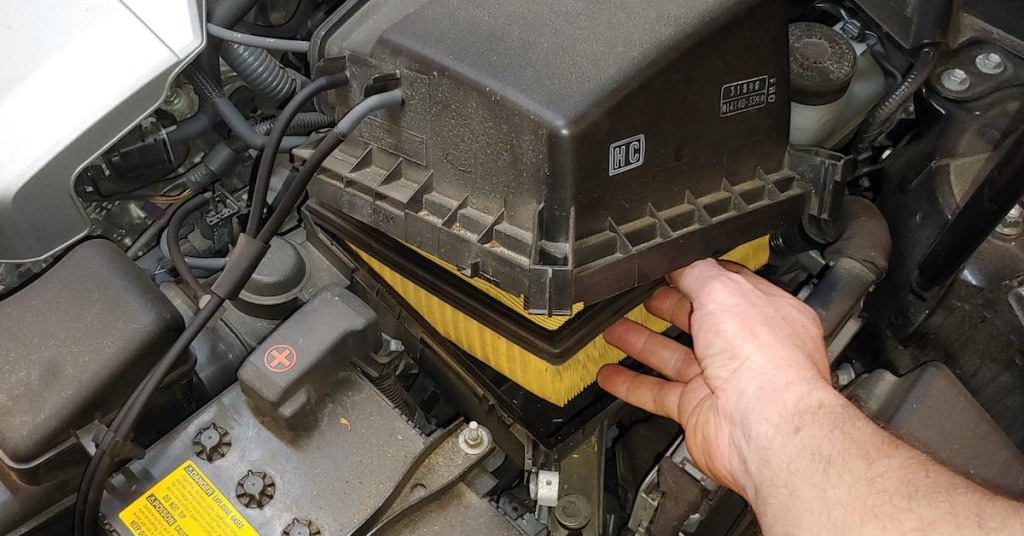

Introduction to Air Filter Replacement
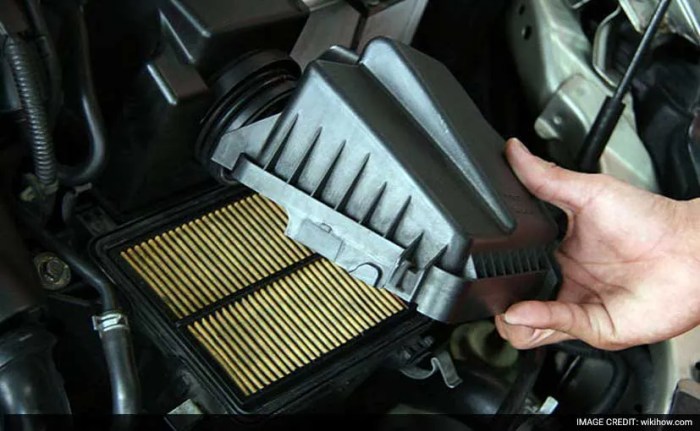
Source: ndtvimg.com
How to change your car’s air filter for better performance – Maintaining a clean air filter is crucial for optimal car performance and longevity. A clogged air filter restricts airflow to the engine, impacting its ability to burn fuel efficiently. This, in turn, negatively affects engine power, fuel economy, and overall vehicle health. Regular replacement ensures your engine receives the clean air it needs to operate at peak efficiency.A clean air filter allows the engine to ingest the correct amount of air, resulting in better combustion.
This translates to improved engine performance, including quicker acceleration and greater power output. Moreover, a clean filter enhances fuel efficiency, leading to lower fuel consumption and reduced operating costs. A healthy engine, properly supplied with air, will run smoother and quieter, minimizing wear and tear on internal components, contributing to the vehicle’s overall lifespan. Neglecting filter replacement can lead to a cascade of issues, including reduced power, increased fuel consumption, engine damage, and even premature failure of other engine parts.
Importance of Regular Replacement
Regular air filter replacement is essential for maintaining engine health. A dirty air filter restricts airflow, forcing the engine to work harder to compensate. This can lead to overheating, reduced power, and potential damage to critical engine components. Over time, the accumulation of dust, debris, and pollutants within the filter can significantly impact the engine’s ability to perform optimally.
This, in turn, compromises the vehicle’s overall performance, fuel efficiency, and lifespan.
Different Types of Air Filters
Various air filter types cater to different car models and performance needs. The choice of filter type depends on factors such as the engine type, desired performance level, and environmental conditions. Paper filters are the most common type, offering a balance of performance and cost-effectiveness for standard vehicles. High-flow filters, designed for enhanced airflow, are often chosen for vehicles requiring increased performance.
These filters typically have larger surface areas to facilitate higher air intake rates. Other specialized filters, such as those designed for off-road use or high-performance applications, are available to meet specific needs.
Common Air Filter Types by Car Model
| Car Make | Car Model | Air Filter Type | Notes |
|---|---|---|---|
| Toyota | Camry | Paper | Standard type, suitable for everyday driving. |
| Honda | Civic | Paper | Standard type, appropriate for routine use. |
| Ford | F-150 | High-flow | Engine demands higher airflow, leading to increased performance. |
| Nissan | Titan | High-flow | Engine demands higher airflow for improved power and efficiency. |
Gathering Necessary Tools and Materials
Successfully replacing your car’s air filter requires a well-stocked toolkit and a mindful approach. This section details the essential tools and materials, emphasizing their function and the importance of safety. Proper preparation minimizes potential complications and ensures a smooth replacement process.
Essential Tools
A well-organized toolkit is crucial for a successful air filter replacement. The correct tools ensure the job is done efficiently and safely, preventing damage to the vehicle and minimizing the risk of injury. Below is a list of the necessary tools, accompanied by their respective functions.
| Tool | Function |
|---|---|
| Wrench/Screwdriver | Removing and tightening fasteners securing the air filter housing and any associated components. Different types of wrenches and screwdrivers might be needed depending on the specific vehicle model. |
| Gloves | Protecting your hands from dirt and debris during the replacement process. This is a critical step to prevent contaminating your hands and maintaining a clean workspace. |
| New Air Filter | The replacement air filter. Ensure it’s the correct part for your vehicle’s make and model to maintain optimal performance. |
| Flashlight | Illuminating the work area, especially in tight or shadowed spaces. This aids in precise work and prevents accidental damage. |
| Clean Rags/Paper Towels | Cleaning up any spilled debris or dirt, and wiping down the area before reassembly. This ensures a clean and functional replacement. |
| Torque Wrench (Optional) | Ensuring fasteners are tightened to the manufacturer’s specifications. This is crucial for optimal performance and preventing potential damage to the vehicle. |
Safety Precautions, How to change your car’s air filter for better performance
Adhering to safety precautions is paramount during any vehicle maintenance task, including air filter replacement. These precautions minimize risks and ensure a safe and efficient process.
- Protective Gear: Wear appropriate protective gear, such as safety glasses and gloves, to safeguard your eyes and hands from potential debris and dirt.
- Vehicle Stability: Park the vehicle on a level surface and engage the parking brake to prevent any unexpected movement during the process.
- Proper Ventilation: If working in a confined space, ensure adequate ventilation to avoid inhaling dust and debris.
- Disconnect Battery Terminals (Optional): For added safety, consider disconnecting the negative terminal of the vehicle’s battery. This prevents the risk of accidental electrical shock.
Common Mistakes to Avoid
Careful consideration of potential errors can greatly enhance the success of the air filter replacement process. Avoiding these common mistakes helps in achieving a successful and efficient replacement.
- Incorrect Filter Selection: Using an incompatible air filter can lead to poor performance and reduced fuel efficiency. Double-check the vehicle’s specifications to ensure the correct filter is being used.
- Insufficient Cleaning: Failing to thoroughly clean the area around the air filter housing can introduce contaminants into the engine, affecting its performance. A clean environment is crucial.
- Inadequate Torque: Tightening fasteners improperly can lead to leaks or component damage. Use a torque wrench to ensure the proper tightening specifications are met.
- Ignoring Vehicle Specifications: Failure to consult the vehicle’s maintenance manual can lead to errors in the replacement procedure. Always refer to the manual for precise instructions.
Step-by-Step Replacement Procedure: How To Change Your Car’s Air Filter For Better Performance
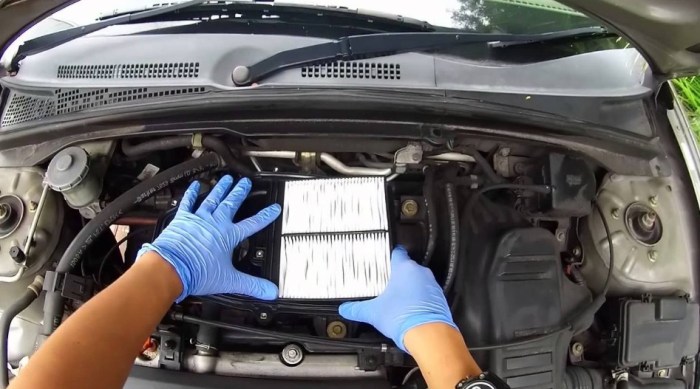
Source: classicinlines.com
Replacing your car’s air filter is a straightforward maintenance task that significantly improves engine performance and fuel efficiency. This crucial component filters the air your engine breathes, and a clogged or damaged filter can hinder its ability to function optimally. A clean air filter ensures smooth engine operation and can extend the life of your engine.Proper air filter replacement is essential for maintaining optimal engine performance and fuel efficiency.
A clogged air filter restricts airflow, leading to reduced power, increased fuel consumption, and potential engine damage. This detailed guide will walk you through the process step-by-step, emphasizing crucial techniques and troubleshooting common issues.
Locating the Air Filter Housing
The air filter housing is typically located in the engine compartment, accessible from the front or under the hood. Refer to your owner’s manual for the precise location, as it may vary depending on your car model. Visual inspection of the engine compartment, combined with your owner’s manual, is crucial for accurate identification.
Removing the Old Air Filter
Carefully access the air filter housing. The filter housing often has a latch or clip securing the air filter in place. Use appropriate tools to release the clips or detach the latch. Once the housing is open, gently remove the old air filter. Avoid forcing the filter, as this may damage it.
Observe the old filter’s condition; significant dirt buildup indicates the importance of regular maintenance.
Inspecting the Old Air Filter
Before installing the new filter, thoroughly inspect the old air filter. Note any signs of significant damage, such as tears, holes, or excessive dirt buildup. If the filter shows significant damage, consider replacing the air filter housing as well. This ensures that any potential contaminants or debris aren’t affecting the filter’s functionality.
Installing the New Air Filter
Carefully install the new air filter into the housing. Ensure the filter’s orientation aligns with the housing’s design to guarantee proper airflow. Avoid over-tightening the filter or housing components. Incorrect tightening may lead to leaks or damage to the filter or housing.
Securing the Air Filter Housing
Reattach the housing’s latch or clips, ensuring they are properly engaged to create a tight seal. This step prevents air leaks, maintaining optimal airflow and preventing performance issues. Pay close attention to the alignment and secure attachment of the housing to the engine compartment.
Troubleshooting Common Problems
| Problem | Possible Cause | Solution |
|---|---|---|
| Reduced engine performance | Clogged air filter, incorrect installation | Replace the air filter, ensure correct installation |
| Engine misfiring | Air leaks, faulty filter | Check for leaks around the housing, replace the filter |
| Increased fuel consumption | Clogged air filter, improper seal | Replace the air filter, ensure a tight seal |
Ensuring a proper seal around the filter housing is vital for optimal airflow. Any gaps or leaks can compromise engine performance and fuel efficiency. Pay particular attention to the sealing mechanism of the housing and ensure everything is correctly placed.
Handling the Air Filter
Handle the new air filter with clean hands to prevent contamination. Avoid touching the filter’s filtering media directly. This helps maintain the filter’s cleanliness and efficiency. A clean filter ensures optimal airflow to the engine, minimizing the possibility of performance issues.
Post-Replacement Checks and Maintenance
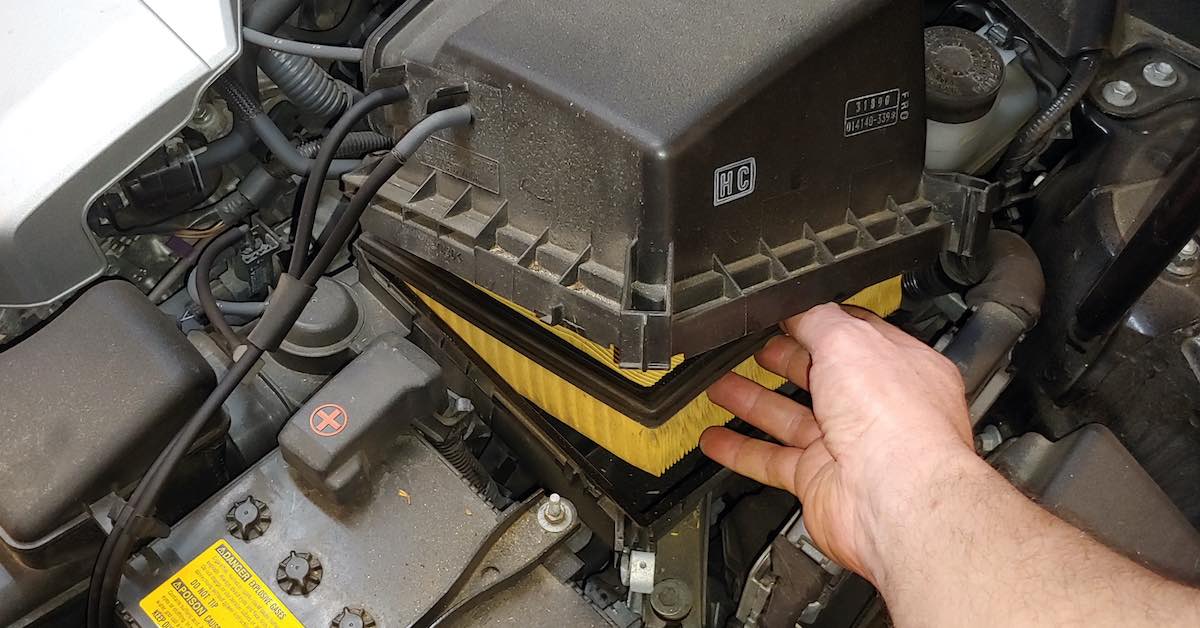
Source: napaonline.com
After successfully replacing your car’s air filter, thorough checks and proper maintenance are crucial for optimal engine performance and longevity. These steps ensure the new filter is installed correctly and the engine receives the clean air it needs for efficient combustion.Correct installation and ongoing maintenance of the air filter system directly impacts fuel economy, emissions, and engine life. Neglecting these aspects can lead to reduced power output, increased fuel consumption, and potentially serious engine damage.
Post-Replacement Verification Checks
A series of checks should be performed after installing the new air filter to guarantee proper functionality. These verifications ensure that the filter is correctly installed and the airflow is not obstructed.
- Visual Inspection of Filter Placement: Carefully examine the new air filter to confirm its proper seating within the housing. Any misalignment or improper placement can hinder airflow. Ensure the filter gasket (if present) is correctly positioned and not damaged. This step is crucial to avoid potential air leaks.
- Airflow Assessment: A crucial step is assessing the airflow through the filter. A simple test involves placing your hand near the filter housing to feel the air movement. Adequate airflow should be noticeable. If the airflow is significantly reduced or absent, there might be a blockage or an issue with the filter installation. This test is useful in detecting installation errors or foreign objects.
- Engine Performance Evaluation: After starting the engine, observe its performance. A smooth and responsive engine operation indicates proper air intake. Any noticeable hesitation or rough idling could point to an issue with the filter or airflow. Monitor the engine’s behavior for any signs of abnormality, such as difficulty accelerating or a decrease in power.
Correct Filter Installation and Airflow
Ensuring the new air filter is correctly installed is paramount for optimal performance. Incorrect installation can lead to a variety of issues, including reduced engine efficiency and potential damage.
- Gasket Integrity: The filter gasket, if applicable, must be intact and properly seated against the housing. A damaged or improperly positioned gasket can create a leak, reducing airflow. Check for any tears, cracks, or misalignment. A properly installed gasket prevents air leaks.
- Seal and Fit: The filter should be firmly and snugly fitted within the housing. Excessive looseness can result in air leaks and poor airflow. The filter should be seated completely without any gaps or spaces around it. Ensure the filter has a secure fit.
Air Filter Replacement Frequency
The recommended frequency for air filter replacements varies based on driving conditions and vehicle type. Regular replacement is crucial for maintaining optimal engine performance.
- General Recommendation: A general guideline for most vehicles is to replace the air filter every 12,000 to 20,000 miles. However, in dusty or high-pollution environments, or if the vehicle is used for heavy-duty work, more frequent replacements might be necessary. Consult your vehicle’s owner’s manual for specific recommendations. Refer to the manufacturer’s recommendations for your vehicle.
Air Filter Maintenance Tips
Proper maintenance extends the life of your air filter and ensures continued optimal performance.
- Regular Cleaning: Regularly inspect the filter for debris accumulation. If significant debris is present, consider cleaning the filter according to the manufacturer’s instructions. However, if cleaning is not recommended, replacing the filter is the best option. Cleaning a filter should be done according to the manufacturer’s specifications.
- Protective Measures: Store the new filter in a clean, dry environment to protect it from dust and dirt. This will ensure its longevity and prevent premature deterioration. Protect the filter from moisture.
Air Filter Housing Maintenance
Proper maintenance of the air filter housing is crucial for maintaining airflow and preventing issues.
- Regular Inspection: Regularly inspect the air filter housing for any signs of damage, such as cracks, dents, or loose components. Any damage can hinder airflow. Ensure the housing is free of any obstruction.
Troubleshooting Common Issues
Replacing your car’s air filter can be a straightforward process, but occasionally, issues may arise. Understanding potential problems and their solutions is crucial for a successful and safe replacement. This section details common issues encountered during or after filter replacement, along with appropriate solutions.Troubleshooting problems after an air filter replacement is important to ensure the filter change is effective and doesn’t introduce unforeseen issues.
Identifying and resolving problems promptly can prevent potential performance degradation, safety hazards, or costly repairs.
Identifying Difficult Removal
Sometimes, the air filter can be stubborn to remove. This is often due to obstructions or parts that have become stuck within the filter housing. Carefully inspect the filter housing for any obstructions, such as debris or previous installation remnants. If you find something preventing removal, gently attempt to clear it using a suitable tool, like pliers or a small screwdriver.
If the filter remains difficult to remove after trying these steps, consult a professional mechanic.
Addressing Leaks
A leaking air filter housing after replacement can be indicative of improper seating or a damaged filter housing. Verify that the filter is correctly positioned within the housing, ensuring a secure fit. Check for any signs of damage to the filter housing itself. If the filter is correctly seated, and the housing is still leaking, a professional mechanic may be needed to repair the housing.
Table of Common Issues and Solutions
| Issue | Solution |
|---|---|
| Air filter is difficult to remove | Check for any obstructions or stuck parts within the filter housing. Gently remove any debris or remnants using appropriate tools. If the filter remains stubborn, consult a professional mechanic. |
| Air filter is leaking | Ensure the filter is properly seated and the housing is intact. Check for damage to the housing. If the filter is properly seated and the housing is damaged, professional repair is likely necessary. |
| Air filter replacement did not improve performance | Ensure the filter was the correct type for your vehicle. Check for other potential issues like a clogged intake system, a malfunctioning engine, or other related problems. If no other issue is found, consult a professional. |
Seeking Professional Assistance
While many air filter replacements are straightforward, some issues may require professional intervention. If you encounter problems beyond the solutions provided, it’s always best to seek professional help. A mechanic can diagnose the issue accurately and provide the necessary expertise to resolve it safely and effectively. Professional diagnosis is especially important for potential internal damage or intricate system interactions.
This can prevent further issues and ensure the proper functioning of the car’s engine.


