
Introduction to Manual Transmission
Common manual transmission problems and their remedies – Manual transmissions, often referred to as stick shifts, are a fundamental part of many vehicles. They offer a direct connection between the engine and the wheels, allowing for precise control over acceleration and gear selection. Understanding their workings is crucial for anyone looking to maintain or troubleshoot these transmissions effectively. This section provides a foundational overview of manual transmissions, their key components, and their operational principles.Manual transmissions differ significantly from automatic transmissions in their operating principles.
Manual transmissions require the driver to actively engage and disengage gears, controlling the power flow manually. Conversely, automatic transmissions manage gear changes automatically, based on factors like engine speed and vehicle speed. This manual control allows for a more nuanced driving experience and greater fuel efficiency in some scenarios, but requires driver input for gear selection. This manual interaction is key to understanding and effectively troubleshooting potential problems.
Key Components of a Manual Transmission
Understanding the different parts of a manual transmission is vital for effective troubleshooting. Knowing the function of each component helps pinpoint issues quickly.
| Component | Function |
|---|---|
| Clutch | The clutch is a mechanical device that disengages the engine from the transmission. This allows the driver to shift gears without stalling the engine. A properly functioning clutch is crucial for smooth gear changes and prevents engine damage. |
| Transmission Case | The transmission case houses the gears, shafts, and other internal components. It provides a protective enclosure and a rigid structure for the components to operate within. |
| Gears (First, Second, Third, Fourth, Reverse, and sometimes Fifth/Sixth) | Gears are the fundamental elements of the transmission. They transfer torque from the engine to the drive shaft, and different gear ratios provide different amounts of speed and torque output. Each gear ratio is optimized for a specific driving condition, such as accelerating from a standstill or cruising at high speed. |
| Shift Fork | The shift fork connects to the gear selector and moves the gears into their appropriate positions. Proper engagement of the shift fork ensures that the correct gear is selected. |
| Shift Linkage | The shift linkage transmits the driver’s gear selection input from the gear selector lever to the shift fork. |
| Input Shaft | The input shaft receives the power from the engine via the clutch. It transmits this power to the transmission gears. |
| Output Shaft | The output shaft receives the power from the transmission gears and transmits it to the driveshaft, ultimately powering the wheels. |
| Synchronizers | Synchronizers are crucial for smooth gear changes. They help to match the speed of the input shaft to the speed of the selected gear before engaging, reducing the risk of grinding noises or damage. |
Working Principles of a Manual Transmission
The operation of a manual transmission relies on the precise interaction of its components. The driver controls the engine’s power flow through the transmission by manipulating the clutch and gear selector. Disengaging the clutch interrupts the power flow, allowing the driver to change gears without stalling the engine. Engaging the clutch connects the engine to the transmission, transmitting power to the selected gear.
The specific gear selected determines the vehicle’s speed and torque output. A thorough understanding of these principles is essential for troubleshooting potential problems.
Clutch System Issues
The clutch system is a critical component of a manual transmission, mediating power transfer between the engine and transmission. Proper clutch function is essential for smooth gear changes and vehicle control. Malfunctions within this system can lead to a range of issues, from minor inconveniences to significant safety concerns.Clutch system problems manifest in various ways, including slipping, grabbing, and complete failure.
These issues are often rooted in wear and tear, improper adjustment, or fluid-related problems. Understanding the causes and symptoms of these problems is crucial for timely diagnosis and repair.
Clutch Slipping
Clutch slipping occurs when the clutch doesn’t fully engage, resulting in a loss of power transmission. This manifests as a sluggish acceleration or a feeling of the engine struggling to move the vehicle. The primary causes include worn friction material, improper adjustment of the clutch release mechanism, or issues with the hydraulic clutch system. If the friction material is worn, the clutch will not properly grip, resulting in slipping.
Clutch Grabbing
Clutch grabbing, in contrast to slipping, involves the clutch engaging too abruptly or forcefully. This can cause a jerky or harsh driving experience. Causes of this problem frequently involve improper adjustment of the clutch release mechanism, a worn or damaged pressure plate, or incorrect alignment of the clutch components. A worn pressure plate can cause the clutch to bind, resulting in the abrupt engagement.
Clutch Failure
Complete clutch failure often presents as a complete loss of power transfer. This usually signifies significant damage to the clutch components, including the friction disc, pressure plate, or release bearing. Causes can range from severe wear and tear to significant mechanical damage, such as a fractured pressure plate. It can also be caused by a failure in the hydraulic clutch system.
Clutch System Fluid Issues
Fluid issues within the hydraulic clutch system can significantly impact clutch performance. Low fluid levels or contaminated fluid can lead to slipping, grabbing, or even complete failure. This can be caused by leaks in the clutch system lines, or by using incorrect fluid type. The hydraulic system needs adequate fluid to operate correctly.
Comparison of Clutch Types and Lifespan
| Clutch Type | Typical Lifespan (in miles/years) | Notes |
|---|---|---|
| Diaphragm Spring Clutch | 50,000 – 100,000 miles / 3-5 years | Common in many vehicles, relatively reliable, and generally easy to replace. |
| Friction Plate Clutch | 60,000 – 120,000 miles / 4-6 years | Generally a more durable type. However, maintenance is more involved. |
| Hydro-mechanical Clutch | 70,000 – 150,000 miles / 5-7 years | These clutches typically offer longer lifespans due to the hydraulic component, which provides better pressure control. |
Note: Lifespans are estimates and can vary based on driving conditions, maintenance practices, and the specific vehicle.
Gearbox Problems: Common Manual Transmission Problems And Their Remedies
The gearbox, or transmission, is a crucial component in any manual transmission vehicle. It’s responsible for transferring power from the engine to the wheels, enabling different speeds and driving conditions. Proper gearbox function is vital for safe and efficient driving. Malfunctions can lead to frustrating driving experiences and, if left unaddressed, could result in serious mechanical issues.Gearbox problems manifest in various ways, from subtle grinding noises to complete gear-shifting failures.
Understanding the common issues, their causes, and appropriate troubleshooting steps can help you maintain your vehicle’s performance and longevity. Accurate shifting techniques are paramount in preventing unnecessary wear and tear on the gearbox components.
Grinding Gears
Grinding noises when shifting gears often indicate a problem with the gears themselves or the synchronizers. Worn or damaged gears within the transmission can create friction, resulting in a grinding sound during shifting. Similarly, faulty synchronizers, which are mechanisms designed to match the speed of the input and output shafts before engagement, can also lead to grinding.
Skipping Gears
Gear skipping, where the transmission fails to engage a particular gear, typically stems from issues within the gear selector mechanism or the synchronizers. A sticking gear selector, worn gear teeth, or a malfunctioning synchronizer can prevent the gear from engaging smoothly. Incorrect shifting techniques, particularly forceful or abrupt shifts, can also contribute to gear skipping.
Sticking Gears
Sticking gears, where a gear remains engaged even after shifting, are frequently caused by worn synchronizers or damaged gear teeth. Insufficient lubrication within the gearbox can also lead to sticking. Moreover, incorrect shifting techniques can create undue stress on the synchronizers, potentially causing them to malfunction.
Gearbox Failure Symptoms
| Gearbox Failure | Symptoms |
|---|---|
| Worn Gears | Grinding noises during shifting, difficulty shifting, and potential complete gear skipping. |
| Damaged Synchronizers | Grinding or sticking gears, difficulty shifting, and potentially damage to the clutch. |
| Incorrect Shifting Techniques | Grinding, skipping, or sticking gears, and increased wear on the transmission. |
| Insufficient Lubrication | Grinding, sticking, or skipping gears, and increased heat generation within the gearbox. |
| Gear Selector Problems | Difficulty shifting, skipping gears, and sticking gears. |
Accurate Shifting Techniques
Proper shifting technique is crucial for maintaining gearbox health. Gentle, controlled shifts minimize stress on the transmission components. Avoid abrupt or forceful shifts, as these can lead to damage to the synchronizers and gears. Ensure the clutch is fully disengaged before shifting, and allow the engine speed to match the desired gear speed before shifting. These techniques will help extend the lifespan of your manual transmission.
Synchronizer Issues
Source: carfromjapan.com
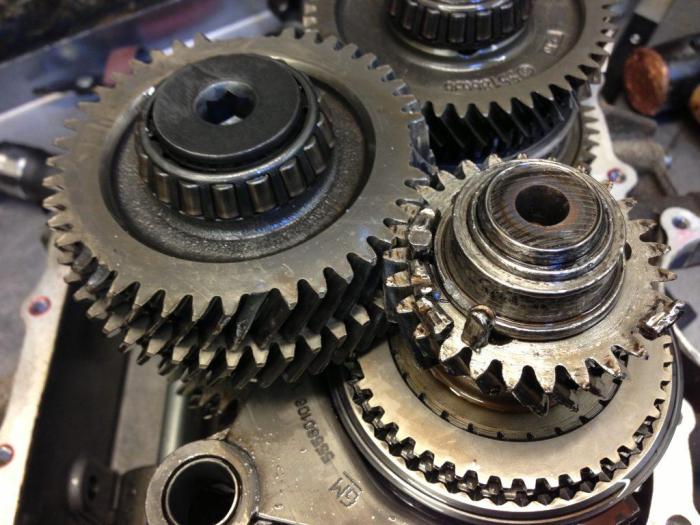
Synchronizers are crucial components in a manual transmission, ensuring smooth gear changes. They act as friction devices, allowing the input shaft speed to match the output shaft speed of the gears before engagement, preventing jarring or grinding noises. This smooth transition is vital for a comfortable and efficient driving experience.Synchronizers operate by using friction materials to slow down or speed up the input shaft to match the speed of the output shaft.
This controlled transition is key to preventing gear clash and damage. A malfunctioning synchronizer can lead to significant issues with gear shifting, impacting overall vehicle performance.
Function of Synchronizers
Synchronizers are designed to match the rotational speed of the input shaft to the output shaft of the gear being engaged. This process prevents gear clash and ensures a smooth, quiet shift. The synchronizer’s operation is typically based on friction cones engaging to slow down or speed up the input shaft to match the output shaft’s speed. This controlled speed matching allows for a positive and quiet engagement of the gears.
Symptoms of Malfunctioning Synchronizers
Difficulty shifting gears is a common symptom of synchronizer problems. This difficulty can manifest as a grinding or clashing sound when shifting, or as a significant amount of effort required to shift between gears. The difficulty in shifting can be more pronounced under certain conditions, such as when the vehicle is cold or under load. A noticeable delay or hesitation during gear changes is also a potential indication of synchronizer issues.
In severe cases, some gears may be completely un-shiftable.
Causes of Synchronizer Problems
Wear and tear are the primary culprits behind synchronizer failures. The friction surfaces within the synchronizer are subject to constant friction and pressure during gear changes, leading to gradual wear over time. Improper lubrication can also contribute to synchronizer problems. Insufficient or incorrect lubricant can lead to reduced friction control and premature wear. In some instances, improper adjustment or damage to the synchronizer components can also contribute to the issue.
This can result from impacts, incorrect repair procedures, or even manufacturing defects.
Preventative Maintenance for Synchronizers
Regular maintenance plays a vital role in preventing synchronizer problems. Routine lubrication of the transmission is critical to maintaining proper friction control. Following the vehicle manufacturer’s recommended maintenance schedule is essential to ensure the synchronizers receive the necessary lubrication and inspection. Avoiding harsh gear changes, especially when the transmission is cold, can significantly extend the lifespan of the synchronizers.
If you notice any unusual sounds or difficulty shifting, it’s recommended to have the transmission inspected promptly. Avoiding overloading the vehicle can also contribute to preserving the synchronizers. This prevents excessive stress and strain on the components during operation.
Linkage and Cable Issues
A manual transmission’s linkage and cables are crucial for smooth gear shifting. These components transmit the driver’s input from the gear shift lever to the gears within the transmission. Problems with the linkage and cables can lead to a frustrating and sometimes dangerous driving experience.Proper operation of the linkage and cables is essential for shifting gears efficiently. Malfunctions can manifest as binding, sticking, or uneven shifting, impacting the driver’s control over the vehicle.
Linkage Binding and Sticking
Linkage components, such as rods, levers, and cables, can bind or stick due to several factors. This hinders the smooth movement of the gear selector, making shifting difficult.
Causes of Linkage Problems
Several factors can contribute to linkage problems. Wear and tear from prolonged use is a common culprit, especially for older vehicles. Corrosion, caused by exposure to moisture and elements, can also lead to sticking and binding. Improper adjustment of the linkage components, often due to incorrect torque or alignment, can also be a factor.
Inspecting the Linkage System
A thorough inspection of the linkage is critical to identify potential problems. Visual inspection should focus on any visible wear, corrosion, or damage to the cables and rods. Examine the pivot points for excessive play or wear, and ensure all connections are secure.
Repairing Linkage and Cable Issues
Repairing linkage problems requires a methodical approach. First, identify the source of the problem. Is it a worn cable, a binding pivot point, or a faulty adjustment? Once the cause is identified, the appropriate repair can be undertaken. In some cases, a simple lubrication or adjustment of the linkage components may be sufficient.
However, more significant issues may require replacement of worn parts.
Step-by-Step Procedure for Cable Inspection
- Disconnect the cables from the shift lever and transmission linkage.
- Visually inspect the cables for wear, fraying, or corrosion.
- If cables are worn, replace them with new ones.
- Check the cable routing for any kinks or binding.
- Ensure the cable ends are securely attached to the lever and transmission linkage.
Step-by-Step Procedure for Linkage Adjustment
- Locate the adjustment points on the linkage.
- Using the appropriate tools, adjust the linkage components to the manufacturer’s specifications.
- Verify that the adjustment has corrected the problem.
- Reassemble the linkage system, ensuring all connections are secure.
Typical Linkage Problems and Solutions
| Problem | Possible Cause | Solution |
|---|---|---|
| Sticking gears | Worn cables, binding pivots, improper adjustment | Lubricate cables, adjust linkage, replace worn parts |
| Rough shifting | Worn cables, binding pivots, improper adjustment, bent linkage parts | Replace worn cables, adjust linkage, straighten bent parts |
| Gear lever not returning to neutral | Worn return spring, binding linkage parts | Replace return spring, lubricate or adjust linkage |
Troubleshooting Procedures
Troubleshooting a manual transmission involves a systematic approach to identify and resolve issues. A methodical diagnosis, starting with basic checks and progressing to more complex tests, is crucial for efficient repair. This process often requires a combination of visual inspection, listening for unusual noises, and testing the operation of various components.A thorough understanding of the expected operation of each component and the potential causes of malfunctions is essential.
This understanding allows technicians to effectively isolate the problem and implement the appropriate solution.
Systematic Diagnostic Approach
A systematic diagnostic approach to manual transmission problems begins with a careful review of the vehicle’s symptoms. This includes noting the specific issues, such as difficulty shifting, grinding noises, or slipping clutch. Documentation of these symptoms aids in pinpointing the source of the problem. Subsequent steps involve a structured process of inspection, testing, and evaluation to isolate the fault.
Visual Inspection
Visual inspection is the first step in troubleshooting. Examine the transmission fluid level, looking for unusual color or contamination. Check for leaks or damage to the transmission housing, lines, and associated components. Look for wear and tear on the linkage and cables. Pay attention to any visible damage or misalignment of parts.
These visual cues can often suggest the nature of the issue. For example, a significant fluid leak might indicate a seal or gasket problem, while frayed cables could signal a linkage issue.
Listening for Unusual Noises
Listening for unusual noises is a crucial diagnostic method. Note the specific type of noise, its frequency, and its relation to specific conditions, such as shifting gears or engaging the clutch. A grinding noise during shifting may indicate a problem with the synchronizers or gears, while a whining noise under load may suggest a bearing issue. By carefully analyzing the sounds, the mechanic can narrow down the potential causes.
Testing Component Operation
Testing the operation of transmission components is a vital step in diagnosis. This includes checking the clutch pedal feel, the engagement and disengagement of the clutch, and the smooth shifting of gears. Test shifting through all gears to assess smoothness and resistance. Evaluate the clutch pedal travel and resistance, and observe the feel and responsiveness of the clutch.
Testing each component individually allows for targeted investigation of the issue.
Step-by-Step Basic Diagnostics
- Gather vehicle information: Record the vehicle’s year, make, model, and any relevant service history.
- Document symptoms: Detail the specific transmission problems, including the conditions under which they occur (e.g., cold start, hot operation, load).
- Perform visual inspection: Inspect the transmission fluid level, look for leaks, and check for visible damage to components.
- Listen for noises: Note any unusual sounds during shifting, clutch engagement, or operation under load.
- Test clutch operation: Assess clutch pedal feel, engagement, and disengagement.
- Check gear shifting: Shift through all gears to assess smoothness and resistance.
- Inspect linkage and cables: Examine the condition of the linkage and cables for wear, damage, or misalignment.
- Check fluid condition: Evaluate the transmission fluid for unusual color, odor, or contaminants.
- Record findings: Document all observations and test results.
Flow Chart for Troubleshooting
A flow chart (diagram not included) would visually guide the troubleshooting process. It would begin with initial symptom identification, leading to different branches based on observed issues (e.g., noise, difficulty shifting, fluid problems). Each branch would then present further diagnostic steps, ultimately directing to the probable cause of the problem. The flow chart would be a tool for quick reference and decision making during the diagnostic process.
Fluid and Lubrication Problems
Source: carfromjapan.com
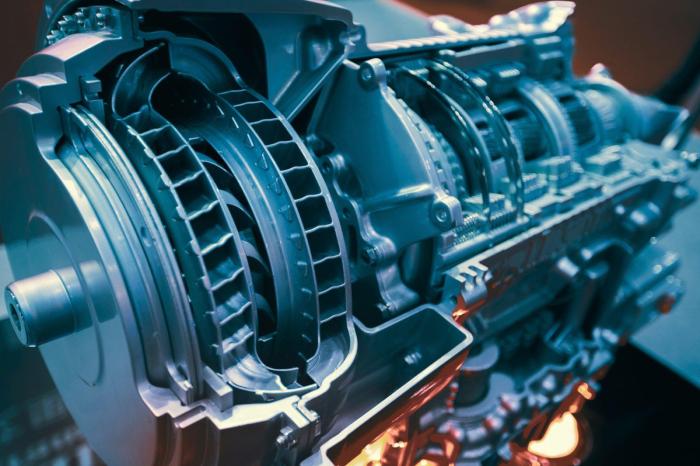
Proper transmission fluid is crucial for smooth and efficient operation of a manual transmission. It acts as a lubricant, coolant, and cleaner, protecting the internal components from wear and tear. Maintaining the correct fluid level and type is essential for longevity and optimal performance.Maintaining the proper level and type of transmission fluid directly impacts the transmission’s lifespan and performance.
Adequate lubrication reduces friction, prevents overheating, and ensures smooth gear changes. Contaminated or insufficient fluid can lead to premature component failure, resulting in costly repairs.
Importance of Proper Transmission Fluid Levels and Types
Transmission fluid acts as a vital lubricant and coolant within the transmission system. Its function goes beyond simply lubricating moving parts; it also carries away heat generated during operation. This critical function prevents overheating, a significant cause of transmission damage. The right type of fluid is also critical, as different fluids are formulated to handle varying temperatures and operating conditions.
Symptoms of Low or Contaminated Transmission Fluid
Several symptoms can indicate low or contaminated transmission fluid. These include gear slippage, unusual noises like grinding or squealing, and a burning smell emanating from the transmission. These indicators can be subtle at first, but prompt attention is essential to prevent further damage.
Checking and Replacing Transmission Fluid
Checking and replacing transmission fluid involves specific steps to ensure accuracy. First, locate the transmission fluid dipstick. Ensure the transmission is on a level surface, and then check the fluid level against the markings on the dipstick. If the fluid level is low, add the correct type of fluid specified in your vehicle’s manual. If the fluid is contaminated or needs complete replacement, consult a mechanic or follow the specific procedure Artikeld in your vehicle’s manual.
Comparison of Transmission Fluid Types
| Fluid Type | Suitability | Typical Applications |
|---|---|---|
| Dexron III | Suitable for older vehicles and those using a conventional automatic transmission. | Older GM and Ford automatic transmissions. |
| Dexron VI | More advanced formulation, providing better performance and protection in modern automatic transmissions. | Modern GM and Ford automatic transmissions. Offers improved thermal stability and wear protection. |
| Mercon LV | Specifically designed for manual transmissions, particularly in heavy-duty applications. | Manual transmissions in various applications, including light-duty vehicles and trucks. Provides enhanced protection in high-stress environments. |
This table provides a general comparison, and specific recommendations should always be referenced from the vehicle manufacturer’s guidelines.
Preventative Maintenance

Source: slashgear.com
Proper preventative maintenance is crucial for extending the lifespan and reliability of a manual transmission. Regular inspections and scheduled lubrication can significantly reduce the risk of costly repairs and ensure smooth, efficient operation. A proactive approach to maintenance can prevent minor issues from escalating into major problems.Regular attention to detail and adherence to recommended maintenance schedules can translate to considerable savings in the long run.
By identifying and addressing potential problems early, owners can avoid costly repairs and maintain the optimal performance of their manual transmission.
Regular Inspections
Regular visual inspections are vital for detecting early signs of wear and tear. Inspecting the transmission components for leaks, unusual noises, or any signs of damage can help prevent more serious problems. This involves checking the fluid level, looking for any leaks or drips around the transmission housing, and listening for unusual noises during operation. Pay attention to the condition of the seals and gaskets, and the overall cleanliness of the transmission components.
Lubrication Schedules
Proper lubrication is essential for the smooth operation of all moving parts within the transmission. A well-lubricated transmission will function more efficiently, reducing wear and tear and extending its lifespan. Following the manufacturer’s recommended lubrication schedule is critical for maintaining optimal performance. This includes checking and replenishing the transmission fluid at the intervals specified in the owner’s manual.
Recommended Maintenance Tasks
Regular maintenance tasks contribute significantly to the longevity and performance of the manual transmission. These tasks help ensure smooth shifting, proper clutch engagement, and prevent premature wear. Crucial tasks include checking fluid levels, inspecting seals and gaskets for leaks, and replacing worn components.
Maintenance Schedule
A well-structured maintenance schedule is vital for ensuring the longevity of the manual transmission. This schedule should be customized based on driving conditions and mileage, but it should always adhere to the manufacturer’s recommendations.
| Maintenance Task | Frequency | Description |
|---|---|---|
| Inspect fluid level and condition | Every oil change | Check for leaks, contamination, and proper level. |
| Inspect seals and gaskets | Every 15,000-20,000 miles | Visual inspection for signs of wear or damage. |
| Lubricate linkage and cables | Every 30,000-40,000 miles | Apply grease to linkage points to maintain smooth operation. |
| Inspect synchronizers | Every 60,000-80,000 miles | Listen for grinding or slipping during gear changes. |
| Replace transmission fluid | Every 50,000-75,000 miles | Follow manufacturer’s specifications for type and amount. |
DIY Repair Options
Taking on manual transmission repairs yourself can save money, but it’s crucial to understand the potential risks and limitations. Proper diagnosis and adherence to safety precautions are paramount. DIY repairs are best suited for straightforward issues and should only be undertaken by those with a reasonable level of mechanical aptitude.
Assessing Your Skills and Resources
Before embarking on any DIY transmission repair, a thorough self-assessment is essential. Consider your mechanical experience, available tools, and the complexity of the problem. If you’re unsure about any aspect of the repair, it’s always prudent to seek professional assistance. A basic understanding of torque specifications and proper hand tools is also necessary.
Simple DIY Repairs
A few minor problems can often be tackled with a bit of know-how and the right tools. These repairs, while often less extensive, can still require attention to detail and careful handling.
- Clutch Cable Adjustment: Minor adjustments to the clutch cable can often resolve issues with clutch engagement. Tools needed include a wrench set, pliers, and a screwdriver. Carefully following the vehicle’s specific adjustment procedures is vital. Safety precautions include ensuring the vehicle is securely parked and using appropriate hand protection.
- Fluid Top-Off: A low transmission fluid level is a common cause of problems. Replacing or topping off the fluid is a relatively simple DIY task, but you need to know the correct type of fluid for your vehicle. A funnel, wrench, and a container for disposal of old fluid are required. Always ensure the vehicle is level and stable.
Safety precautions include protecting the hands from potential spills and ensuring the vehicle is on a level surface.
- Gearbox Lubrication: Proper lubrication of moving parts in the gearbox is essential for smooth operation. Adding or topping up the gearbox lubrication can prevent further issues. Tools include the appropriate oil or grease, a funnel, and a container for old fluid or grease. Follow the manufacturer’s guidelines carefully. Safety precautions include working in a well-ventilated area and protecting hands from spills.
DIY vs. Professional Repairs, Common manual transmission problems and their remedies
While DIY repairs can save money, professional repairs offer several advantages. Professionals have the specialized tools, training, and experience to handle more complex issues.
| Factor | DIY Repair | Professional Repair |
|---|---|---|
| Cost | Potentially lower, depending on the repair and tools already owned | Higher, but includes diagnostic fees and labor |
| Time | Potentially faster, depending on the skill level and complexity of the repair | Potentially longer, but with guaranteed quality and experience |
| Warranty | No warranty on parts or labor | Warranty on parts and labor, depending on the shop |
| Complexity | Suitable for simpler issues | Handles more complex problems |
DIY repairs can be cost-effective, but professional assistance is often necessary for more complex issues, ensuring the safety and longevity of the vehicle.
Seeking Professional Help
Maintaining a manual transmission requires a degree of understanding and skill. While many minor issues can be addressed through DIY repairs, some problems necessitate the expertise of a qualified mechanic. Knowing when to seek professional help is crucial for ensuring the longevity and smooth operation of your vehicle’s transmission.Understanding when a problem warrants professional attention is vital. Complex issues, or those beyond your DIY capabilities, should always be addressed by a trained mechanic.
This is not just about avoiding potential damage; it’s about ensuring the correct diagnosis and repair, ultimately saving you time and money in the long run.
Situations Requiring Professional Help
Professional assistance is generally needed for transmission repairs involving complex component failures. For example, if the transmission fluid is burnt or significantly contaminated, or if the clutch system shows unusual wear, a mechanic’s expertise is recommended. Internal damage to the gearbox, such as broken gears or damaged bearings, often requires specialized tools and knowledge to diagnose and repair effectively.
Difficult-to-access parts and intricate repairs that require specialized equipment often fall outside the scope of a typical DIY repair. Also, if the vehicle exhibits persistent or worsening transmission problems after attempting DIY repairs, it’s essential to seek professional diagnosis and repair.
Importance of Consulting a Qualified Mechanic
Consulting a qualified mechanic for complex transmission issues is crucial. A professional mechanic possesses the necessary diagnostic tools and experience to accurately pinpoint the source of the problem. They can identify subtle signs of damage or wear that might be missed by a novice. This accurate diagnosis prevents further damage to the transmission and ensures the correct repair method is used, potentially saving significant repair costs in the future.
A professional mechanic’s expertise can also provide peace of mind, knowing the repair was done correctly and that the vehicle is operating safely.
Choosing a Reliable and Experienced Mechanic
Selecting a reliable and experienced mechanic is essential for successful transmission repair. Recommendations from trusted friends or family can be valuable resources. Online reviews and ratings can also offer insight into a mechanic’s reputation and work quality. Researching the mechanic’s certifications and experience in handling manual transmissions is also prudent. Consider asking about their specific experience with your vehicle’s make and model.
Prioritizing experience and qualifications will greatly increase the likelihood of a successful repair.
Documenting Problems Before Taking a Vehicle to a Mechanic
Thorough documentation of the problem before taking your vehicle to a mechanic is invaluable. Detailed notes about the symptoms, when they occur, and any relevant circumstances can significantly aid the mechanic in diagnosis. Include information about how the issue started, any recent repairs or modifications, and how the vehicle’s performance has changed. Record any specific noises, smells, or unusual sensations felt when operating the transmission.
This organized information will allow the mechanic to efficiently assess the issue and streamline the repair process.


