
Engine Performance Issues: Common Car Performance Issues In Older Vehicles
Common car performance issues in older vehicles – Older vehicles, despite their charm and sentimental value, often exhibit a range of engine performance problems. These issues stem from years of wear and tear on critical components, impacting the smooth and efficient operation of the engine. Understanding the common symptoms, causes, and potential solutions is key to maintaining these vehicles.
Ignition System Issues
The ignition system is crucial for spark production, initiating the combustion process. Failures in this system frequently manifest as inconsistent or no engine starts.
- Widespread Issues: Problems with spark plugs, wires, or the ignition coil can lead to misfires, rough idling, or a complete inability to start. Older vehicles may have ignition systems that are prone to corrosion or deterioration of components over time.
- Symptoms: Symptoms can range from rough idling to difficulty starting, stalling, or hesitation during acceleration. An intermittent misfire might be noticeable only under specific conditions, such as high load or warm temperatures.
- Causes: Worn or damaged spark plugs, corroded or frayed spark plug wires, a failing ignition coil, or a malfunctioning distributor (in older models) are common culprits. Poor connections in the ignition system can also cause erratic performance.
Fuel Delivery System Issues
A malfunctioning fuel delivery system can severely impact engine performance. The fuel system is responsible for providing the correct fuel-air mixture for combustion.
- Common Problems: Issues like clogged fuel filters, faulty fuel pumps, or worn fuel injectors can create problems with fuel delivery. Corrosion or deterioration of fuel lines can also lead to leaks or obstructions.
- Symptoms: Symptoms can include a rough idle, hesitation, difficulty accelerating, or a complete loss of power. A noticeable decrease in fuel economy is also a possible indication of a problem with fuel delivery. Sometimes, the engine might sputter or backfire.
- Causes: Clogged fuel filters, failing fuel pumps, and worn fuel injectors are common culprits. Problems with the fuel pump’s ability to supply sufficient pressure to the injectors can result in an improper fuel-air mixture. Old fuel lines and components can lead to leaks and obstructions, affecting fuel delivery.
Cooling System Issues
The cooling system plays a vital role in regulating engine temperature. Malfunctions in this system can lead to overheating, potentially causing serious damage.
- Potential Issues: Leaking radiators, failing water pumps, clogged coolant hoses, or a faulty thermostat can lead to overheating problems. Corrosion or build-up of sediment in the cooling system can also impede its effectiveness.
- Symptoms: Overheating is a key symptom, often accompanied by a high temperature gauge reading, a rise in engine temperature, and unusual noises from the engine. A hissing sound or steam coming from the engine compartment could signal a leak.
- Causes: Leaking radiators, worn water pumps, or a failing thermostat are frequent causes of overheating. Low coolant levels or a clogged radiator can also contribute to the problem. Corrosion in the cooling system can also hinder proper cooling, leading to overheating.
Engine Performance Issues Comparison
| Symptom | Cause (Possible) | Potential Solution |
|---|---|---|
| Rough idling, misfires | Worn spark plugs, faulty ignition coil, corroded wires | Replace spark plugs, ignition coil, or wires; repair or replace faulty components |
| Hesitation, loss of power | Clogged fuel filter, worn fuel pump, clogged injectors | Replace fuel filter, repair or replace fuel pump, clean or replace injectors |
| Overheating | Leaking radiator, failing water pump, low coolant | Repair or replace radiator, water pump, refill coolant, check for leaks |
Transmission Problems
Older vehicles often exhibit transmission issues, which can stem from various factors, primarily mechanical wear and tear over time. Proper maintenance and understanding of these issues are crucial for preventing costly repairs and ensuring continued reliable operation. These problems can range from minor inconveniences to significant breakdowns, impacting vehicle usability and safety.
Common Transmission Problems in Older Vehicles
Transmission problems in older vehicles are frequently related to components experiencing significant wear and tear after years of use. These issues can lead to reduced performance, increased fuel consumption, and ultimately, costly repairs if ignored. Understanding the symptoms associated with these problems is essential for timely intervention and preventing further damage.
Symptoms of Transmission Problems
A variety of symptoms can signal transmission problems. These symptoms often appear gradually, initially subtle but progressively worsening. Recognizing these early signs is vital for prompt diagnosis and repair.
- Sluggish or jerky shifting: The transmission may exhibit difficulty shifting gears smoothly, leading to a noticeable delay or jerky movements. This is often a precursor to more serious problems.
- Grinding or clicking noises during shifting: Unusual noises during gear changes, such as grinding or clicking, indicate potential damage to gears, synchronizers, or other internal components.
- Difficulty engaging certain gears: The transmission may struggle to engage particular gears, often resulting in the vehicle refusing to move or shift into that gear.
- Leaks from the transmission: Fluid leaks from the transmission housing indicate a potential problem with seals, gaskets, or other components that can lead to component failure and/or loss of transmission function.
- Vibrations or shaking: Unusual vibrations or shaking, particularly during acceleration or deceleration, may indicate problems with the transmission’s internal components.
- Reduced or no power: The vehicle may experience a decrease in power or completely lose power, which could be caused by various transmission issues.
Causes of Transmission Problems (Mechanical Wear and Tear Focus)
Mechanical wear and tear is a primary contributor to transmission problems in older vehicles. Components like gears, clutches, and seals gradually degrade over time, impacting their functionality and leading to various symptoms.
- Gear wear: Repeated use of the transmission can lead to wear and tear on the gears, causing them to become less efficient and result in slipping or grinding.
- Clutch wear: Clutches are critical components in automatic transmissions; wear can cause slipping and difficulty engaging or disengaging gears.
- Seal damage: Seals and gaskets within the transmission can deteriorate, allowing transmission fluid to leak. This fluid loss leads to reduced lubrication and accelerated wear of internal parts.
- Bearing wear: Bearings within the transmission system experience friction, leading to wear and tear over time. Excessive wear can cause unusual noises and affect the smooth operation of the transmission.
- Fluid contamination: Contaminated transmission fluid can reduce the lubrication of internal components, causing wear and accelerating the deterioration of the transmission system.
Troubleshooting Transmission Problems
The following table Artikels common transmission problems, their symptoms, potential causes, and suggested repairs. It’s crucial to consult a qualified mechanic for accurate diagnosis and repair of transmission issues.
| Transmission Problem | Symptoms | Potential Causes (Mechanical Wear & Tear Focus) | Suggested Repairs |
|---|---|---|---|
| Gear grinding | Grinding or clicking noises during shifting | Worn gears, synchronizers, or damaged internal components | Gear replacement, synchronizer repair, or transmission rebuild |
| Fluid leak | Leaks from transmission housing | Damaged seals, gaskets, or worn seals | Seal replacement, gasket repair, or transmission overhaul |
| Sluggish shifting | Jerky or delayed gear shifts | Worn clutches, synchronizers, or internal components | Clutch replacement, synchronizer repair, or transmission rebuild |
| Loss of power | Reduced or no power output | Worn gears, internal component failure, low fluid levels | Gear replacement, internal component repair, transmission fluid replacement |
Electrical System Issues
Older vehicles often experience electrical problems due to the aging of wiring, connectors, and components. These issues can range from minor annoyances to major breakdowns, impacting the overall functionality and reliability of the vehicle. Addressing these problems promptly can save significant time and money in the long run.
Common Electrical Problems in Older Vehicles
The electrical systems in older vehicles are susceptible to various issues stemming from the natural deterioration of components over time. Corrosion in wiring harnesses, faulty connections, and failing electrical components like alternators, starters, and various sensors contribute to a wide array of symptoms. These problems can make the vehicle unreliable and potentially unsafe to operate.
Symptoms of Electrical System Problems
Electrical problems in older vehicles manifest in diverse ways, often subtle at first. These issues can range from intermittent malfunctions to complete system failures. Recognizing these symptoms is crucial for early diagnosis and timely repairs.
- Dim or flickering headlights, taillights, or interior lights: This can indicate a problem with the wiring, a faulty bulb, or a weak battery.
- Malfunctioning dashboard warning lights: A variety of warning lights, including those for charging, battery, or other electrical systems, can malfunction, signaling a potential electrical issue.
- Electrical components that fail intermittently: A common issue is the intermittent operation of various components, such as power windows, power locks, or the radio. This can be a sign of a corroded wire or loose connection.
- Difficulty starting the engine: A weak battery or issues with the starter motor can cause difficulty in starting the engine.
- Strange noises from the electrical system: Clicking, buzzing, or grinding noises originating from the electrical system can indicate a problem with the starter motor, alternator, or other electrical components.
- Unresponsive or inoperative electrical accessories: The vehicle’s accessories, such as power windows, power locks, and radio, may fail to respond or function properly. This could stem from a faulty switch, a corroded wire, or a damaged component.
Potential Causes of Electrical System Issues
Several factors contribute to electrical problems in older vehicles. The aging of the vehicle’s electrical system components plays a significant role. Corrosion is a common issue affecting the wiring and connections, while faulty components like alternators, starters, and switches can also lead to problems.
- Corroded Wiring: Over time, moisture and exposure to the elements can cause corrosion in the wiring harness, leading to intermittent or complete circuit failures.
- Faulty Connections: Loose connections or corroded terminals can cause intermittent electrical issues. A simple tightening or cleaning of connections may resolve the problem.
- Failing Components: Electrical components like alternators, starters, switches, and fuses can wear out and fail, leading to electrical problems.
- Poor Grounding: A weak or damaged ground connection can disrupt the flow of electricity and cause various electrical malfunctions.
Troubleshooting Electrical System Issues
A systematic approach is essential for diagnosing and resolving electrical problems. This table Artikels common electrical issues, their symptoms, potential causes, and troubleshooting steps.
| Electrical Issue | Symptoms | Causes | Troubleshooting Steps |
|---|---|---|---|
| Faulty Alternator | Dim lights, slow charging, battery draining | Worn brushes, bearing failure, voltage regulator | Check alternator output, inspect brushes, test voltage regulator |
| Corroded Wiring | Intermittent electrical problems, flickering lights | Moisture, exposure to elements | Inspect wiring for corrosion, repair or replace damaged sections |
| Loose Connections | Intermittent electrical problems, unusual noises | Vibration, poor connections | Tighten connections, clean terminals, repair if necessary |
| Bad Battery | Difficulty starting, dim lights | Sulfation, low charge | Test battery voltage, check for corrosion, replace if necessary |
| Failing Starter Motor | Clicking sound, difficulty starting | Worn brushes, damaged gears | Inspect starter motor, replace if necessary |
Cooling System Problems
Source: bhaimg.com
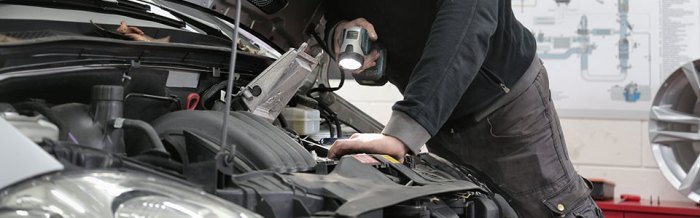
Older vehicles often experience cooling system issues due to the natural wear and tear on components. Hoses, gaskets, and the radiator itself can degrade over time, leading to potential problems like leaks, clogs, and overheating. Understanding these issues is crucial for maintaining vehicle health and preventing costly repairs.The cooling system is vital for maintaining optimal engine temperature. A properly functioning cooling system prevents overheating, which can cause significant damage to the engine, including warping of the cylinder head, piston damage, and potentially catastrophic engine failure.
Regular inspection and maintenance are essential for preventing these issues.
Common Cooling System Problems
The cooling system comprises various components, each susceptible to age-related deterioration. Hoses, crucial for circulating coolant, can become brittle and leak. Gaskets, sealing critical junctions, may crack or deteriorate, allowing coolant to escape. The radiator, a heat exchanger, can accumulate mineral deposits, hindering its ability to dissipate heat effectively.
Symptoms of Cooling System Failures
Several symptoms can indicate cooling system problems. These can range from subtle hints to more dramatic warnings. A noticeable drop in coolant levels is a common early sign, often accompanied by a hissing sound from under the vehicle. Overheating, indicated by the engine temperature gauge reaching the red zone, is a more severe symptom. Coolant leaks can manifest as wet spots under the vehicle or puddles near the engine.
The presence of steam emanating from the engine compartment is another alarming symptom.
Potential Causes of Cooling System Issues
Several factors can contribute to cooling system problems. Leaks are a frequent cause, arising from worn hoses, cracked gaskets, or deteriorated radiator components. Clogs in the radiator or hoses, often due to mineral deposits or debris, can hinder coolant flow, leading to overheating. A malfunctioning thermostat, failing to regulate coolant flow, can also cause overheating or inadequate cooling.
Comparison of Cooling System Problems
| Problem | Symptoms | Causes | Solutions |
|---|---|---|---|
| Coolant Leak | Decreased coolant levels, hissing sound, wet spots under the vehicle | Worn hoses, cracked gaskets, damaged radiator | Repair or replace the damaged hoses, gaskets, or radiator. Check for leaks in the cooling system connections |
| Overheating | Engine temperature gauge in the red zone, steam from engine compartment | Clogged radiator or hoses, malfunctioning thermostat, air in the cooling system | Check and flush the radiator and hoses, replace the thermostat, bleed the cooling system. |
| Coolant Overflow | Coolant pooling under the vehicle, high coolant levels in the reservoir | Leak in the overflow hose, faulty expansion tank | Repair the overflow hose or expansion tank. |
Suspension and Steering Problems
Older vehicles, especially those with high mileage, can experience a range of suspension and steering issues. These problems are often linked to the cumulative effects of wear and tear, harsh environmental conditions, and potentially, inadequate maintenance. Understanding these issues is crucial for proactive vehicle care and avoiding costly repairs.The performance of suspension and steering systems directly impacts the overall driving experience.
Smooth handling, predictable responses, and a comfortable ride are all dependent on the efficient operation of these components. Common problems can manifest as unusual noises, vibrations, or difficulty controlling the vehicle, which can be traced back to various underlying causes. Recognizing the symptoms and potential causes is the first step in addressing these issues effectively.
Common Suspension Issues
Suspension components, including springs, shocks, and struts, experience considerable stress during operation. Mileage and environmental factors, such as extreme temperatures or harsh road surfaces, accelerate wear. This can lead to a range of issues, impacting the vehicle’s handling and ride quality.
Common Steering Issues
Steering systems, comprising the steering rack, tie rods, and other components, are also susceptible to wear and tear. High mileage and rough road conditions can cause these components to degrade, resulting in steering problems. This can lead to a range of issues, from difficulty turning to a complete loss of steering control.
Symptom Analysis
Identifying the specific symptoms is vital for accurate diagnosis. Common signs of suspension issues include a rough or bouncy ride, unusual noises (clunking, popping, or squeaking), and a tendency to pull to one side. Steering issues might present as a “pulling” sensation, difficulty turning the steering wheel, or a “wandering” feeling.
Potential Causes
Several factors can contribute to suspension and steering problems. Worn or damaged springs, shocks, or struts are common culprits. Loose or damaged ball joints, tie rods, or bushings can also cause issues. Furthermore, incorrect alignment or damaged steering components can contribute to problems.
Preventive Maintenance
Regular maintenance plays a significant role in preventing suspension and steering problems. Regular inspections for worn components, proper lubrication, and alignment checks are essential. Driving on rough roads can significantly accelerate the wear and tear on suspension components, while neglecting lubrication can lead to increased friction and wear. Proper maintenance and timely repairs are crucial for extending the life of these systems.
| Suspension/Steering Problem | Symptoms | Causes | Preventative Maintenance |
|---|---|---|---|
| Worn Shocks/Struts | Rough, bouncy ride; decreased handling; squeaking or knocking sounds | High mileage, harsh driving conditions, inadequate shock fluid | Regular inspections; replacement based on manufacturer recommendations; appropriate driving habits |
| Worn Springs | Sagging or uneven ride height; decreased handling; knocking or grinding sounds | High mileage, harsh driving conditions, corrosion | Regular inspections; replacement as needed; avoidance of overloading the vehicle |
| Damaged Ball Joints | Pulling or wandering steering; knocking sounds; difficulty turning | High mileage, impact damage, corrosion | Regular inspections; replacement as needed; avoidance of sharp turns or uneven roads |
| Loose Tie Rods | Difficulty steering; “play” in the steering wheel; pulling to one side | High mileage, impact damage, corrosion | Regular inspections; tightening or replacement as needed; avoidance of sudden impacts |
| Incorrect Alignment | Pulling to one side; uneven tire wear; steering wheel vibrations | Impact damage, improper alignment procedures | Regular wheel alignment checks; correction of any misalignment |
Fuel System Issues
Older vehicles often exhibit fuel system problems due to the natural aging of components. Fuel lines, susceptible to deterioration and cracking, can lead to leaks, while fuel pumps, crucial for efficient fuel delivery, may fail due to wear and tear. Understanding these issues and their symptoms is vital for preventative maintenance and timely repairs.
Common Fuel System Issues in Older Vehicles
Fuel systems in older vehicles are susceptible to various problems. The aging process affects fuel lines, potentially causing cracks or perforations. Fuel pumps, working tirelessly, may experience wear and tear, leading to reduced efficiency or complete failure. These issues can manifest in several ways, affecting vehicle performance.
Symptoms of Fuel System Problems
A range of symptoms can indicate fuel system problems. A noticeable drop in fuel efficiency, accompanied by rough idling or stalling, can signal underlying issues. Fuel leaks, evident as a fuel odor or wet spots under the vehicle, point to a more serious problem that needs immediate attention. Lack of power and sputtering or surging during acceleration are also indicative of potential fuel system issues.
Potential Causes of Fuel System Problems
Fuel system problems have several potential causes. Leaks in fuel lines or fuel pump components are common occurrences, often exacerbated by age and exposure to the elements. Clogs in fuel filters or injectors can restrict fuel flow, resulting in reduced performance. Fuel pump failure, a more serious concern, can lead to complete loss of power or a complete inability to start.
Proper maintenance and regular inspections are critical in preventing these issues.
Fuel System Problem Summary Table
| Problem | Symptoms | Potential Causes | Potential Fixes |
|---|---|---|---|
| Fuel Leaks | Fuel odor, wet spots under vehicle, staining, dripping | Cracked or damaged fuel lines, loose connections, worn fuel pump seals | Repair or replace damaged fuel lines, tighten connections, replace fuel pump seals |
| Fuel Pump Failure | No start, rough idling, sputtering, lack of power, intermittent acceleration problems | Wear and tear on the pump, electrical issues, low fuel pressure | Replace the fuel pump, check the electrical connections, inspect the fuel pressure regulator |
| Fuel Filter Clogs | Reduced fuel efficiency, rough idling, lack of power, sputtering | Accumulation of debris, contaminants in the fuel, insufficient fuel flow | Replace the fuel filter, ensure fuel system cleanliness |
| Injector Clogs | Reduced fuel efficiency, rough idling, lack of power, sputtering, erratic acceleration | Accumulation of deposits, varnish, and carbon in injectors | Clean or replace injectors, ensure fuel quality |
Exhaust System Issues
Source: cloudfront.net
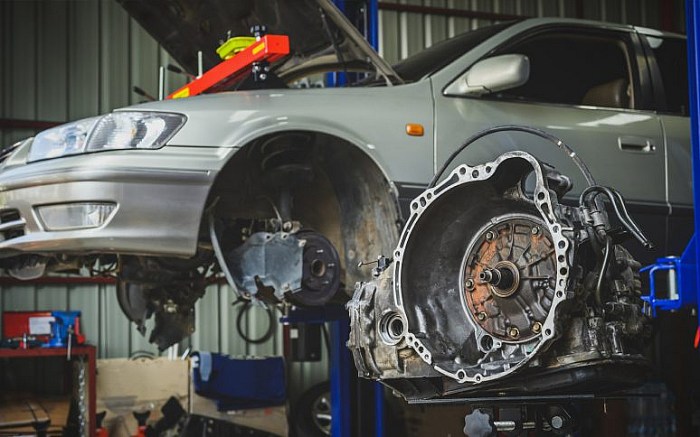
Older vehicles, often lacking the latest emission control technologies, can experience a range of exhaust system problems. These issues can impact performance, create unpleasant noises, and potentially cause safety concerns. Understanding the common symptoms and causes is crucial for timely diagnosis and repair.
Common Exhaust System Issues in Older Vehicles
Exhaust systems in older vehicles can develop various problems, including leaks, clogs, and component failures. These issues can result in a range of performance problems, and, in some cases, emissions issues.
Symptoms of Exhaust System Problems
Recognizing the symptoms associated with exhaust system problems is vital for prompt diagnosis. Various indicators can signal an issue. Unusual noises, such as hissing, rattling, or popping sounds, often accompany leaks or obstructions. Changes in exhaust color or odor can also be signs of a problem. These symptoms often correlate with performance issues, such as reduced power or acceleration problems.
Causes of Exhaust System Issues
Several factors can contribute to exhaust system issues in older vehicles. Corrosion, especially in areas exposed to moisture and road salt, is a common culprit. Over time, components like exhaust pipes, manifolds, and catalytic converters can degrade due to heat and stress. Damage from road debris, impacts, or improper installation can also lead to exhaust system problems.
Troubleshooting Exhaust System Problems
The following table Artikels common exhaust system problems, their associated symptoms, potential causes, and recommended repairs.
| Exhaust System Problem | Symptoms | Potential Causes | Potential Repairs |
|---|---|---|---|
| Exhaust Leak | Hissing or rattling sounds, visible leaks, foul odor, reduced power | Corrosion, damaged pipes, loose connections, cracked or worn gaskets | Repair or replacement of damaged pipes, gaskets, or connections; sealing leaks |
| Clogged Catalytic Converter | Reduced power, rough idling, check engine light, increased exhaust emissions | Accumulation of debris, carbon deposits, or improper fuel mixture | Cleaning or replacement of the catalytic converter; addressing the underlying fuel mixture issue |
| Damaged Exhaust Manifold | Loud exhaust noises, reduced engine performance, overheating | Corrosion, heat damage, physical impact | Repair or replacement of the damaged manifold, potentially including re-welding |
| Blocked Exhaust Pipes | Reduced engine performance, rough idling, backpressure issues | Accumulation of debris, rust, or other foreign material in the exhaust system | Cleaning of blocked pipes or replacement of blocked sections |
| Faulty Exhaust System Components | Unusual noises, reduced power, engine misfires, possible engine damage | Wear and tear, material fatigue, damage from impact or improper installation | Replacement of the affected component, such as the muffler, resonator, or oxygen sensor |
Troubleshooting Procedures
Troubleshooting car performance issues in older vehicles often requires a systematic approach. These vehicles can present a range of complex problems, but a methodical diagnosis can pinpoint the source of the issue. Understanding the procedures and utilizing basic diagnostic tools is key to resolving problems efficiently and effectively.
Systematic Approach to Diagnosis
A systematic approach to diagnosing car problems is crucial, especially with older vehicles. This involves a series of checks and tests to narrow down the potential causes. By systematically eliminating possibilities, you can effectively pinpoint the root cause. This process typically begins with a visual inspection and progresses to more involved tests.
Visual Inspection and Preliminary Checks
Thorough visual inspections are essential for identifying obvious issues. Inspect the exterior of the vehicle for any signs of damage, leaks, or unusual noises. Look for loose or damaged components and examine fluid levels (oil, coolant, brake fluid). This preliminary step often reveals simple solutions or directs you to the next diagnostic steps.
Basic Diagnostic Tools, Common car performance issues in older vehicles
Basic diagnostic tools are essential for many troubleshooting steps. A multimeter is invaluable for checking voltage, amperage, and resistance in electrical circuits. A pressure gauge is necessary for evaluating the pressure in the fuel and cooling systems. A stethoscope can help pinpoint unusual engine noises. Utilizing these tools properly will greatly assist in isolating the problem area.
Step-by-Step Diagnostic Procedure
This table Artikels a systematic approach to diagnosing common problems in older vehicles.
| Symptom | Possible Cause | Troubleshooting Steps |
|---|---|---|
| Engine misfiring/rough idling | Spark plugs, fuel injectors, air intake, ignition system | 1. Check spark plug condition. 2. Inspect fuel injector spray pattern. 3. Verify air filter cleanliness. 4. Examine ignition coil and wires. |
| Transmission slipping or shifting problems | Transmission fluid level, worn transmission components, internal damage | 1. Check transmission fluid level and condition. 2. Observe shifting patterns and engagement. 3. Conduct a road test for shifting issues. |
| Electrical problems (e.g., no lights, intermittent wipers) | Wiring issues, faulty fuses, alternator problems, battery issues | 1. Inspect wiring for damage or corrosion. 2. Check fuses for blown components. 3. Verify battery voltage. 4. Examine the alternator output. |
| Overheating | Coolant leaks, faulty thermostat, clogged radiator | 1. Check coolant level and condition. 2. Verify thermostat function. 3. Inspect radiator for blockages. 4. Examine hoses for leaks. |
| Steering issues (e.g., pulling to one side) | Worn tie rods, ball joints, power steering pump | 1. Inspect steering components for wear and tear. 2. Verify power steering fluid level. 3. Perform a road test to identify the pulling issue. |
Importance of Safety Precautions
Safety precautions are paramount during any automotive repair. Always disconnect the battery before working on electrical components. Use appropriate safety glasses and gloves when handling fluids or working with tools. Ensure the vehicle is on a level surface and properly supported. By prioritizing safety, you minimize the risk of injury and further damage.
Preventive Maintenance
Source: bellperformance.com
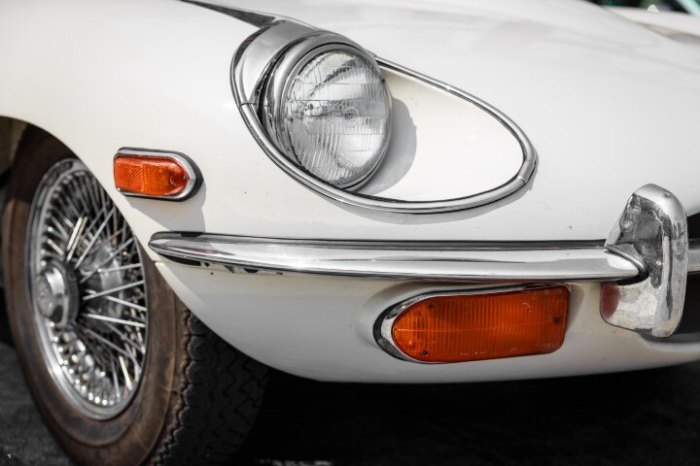
Maintaining an older vehicle involves proactive steps to minimize potential performance issues. Regular upkeep and inspections are crucial for extending the lifespan and reliability of the vehicle. Ignoring these practices can lead to costly repairs and unexpected breakdowns down the road.Preventive maintenance isn’t just about extending the life of the vehicle; it’s about ensuring safe and reliable operation.
By addressing potential problems early, you avoid the more significant, and potentially dangerous, issues that can arise from neglected upkeep.
Importance of Regular Inspections and Maintenance
Regular inspections and maintenance are essential for preventing larger problems. Addressing small issues early can often save significant amounts of money and time compared to repairing a major breakdown. Routine checks and prompt repairs can lead to better fuel efficiency, improved performance, and reduced emissions. Early detection and rectification of minor issues are far more manageable and affordable than fixing severe problems that may arise from neglect.
Recommended Maintenance Tasks for Older Vehicles
Maintaining older vehicles requires a proactive approach. A regular maintenance schedule should be meticulously followed, addressing specific needs. These tasks encompass a wide range of areas, from fluid checks to component inspections.
- Fluid Checks and Changes: Regularly checking and changing fluids like engine oil, transmission fluid, brake fluid, and coolant is critical. Using the correct viscosity of oil and the recommended fluids is important for optimal engine performance and longevity. This is particularly crucial in older vehicles, where components may be more susceptible to wear and tear.
- Filter Replacements: Air filters, fuel filters, and cabin air filters need periodic replacement. These filters keep contaminants out of the engine and cabin, improving performance and safety. Neglecting filter replacements can lead to reduced engine performance and potentially serious issues. For instance, a clogged air filter can restrict airflow, leading to reduced power and increased fuel consumption.
- Component Inspections: Visual inspections of various components like belts, hoses, and connections are crucial. Look for any signs of wear, damage, or leaks. These inspections can reveal potential problems before they escalate. For example, a cracked radiator hose could lead to a costly engine overheating incident.
- Battery and Charging System Checks: Regularly checking the battery’s voltage and the charging system’s output is essential. A failing battery or alternator can cause electrical problems, impacting various systems.
- Brake System Inspection: Regularly inspecting brake pads, rotors, and brake lines is vital for safe operation. Brake system problems can lead to dangerous consequences, emphasizing the importance of regular checks.
Preventive Maintenance Schedule
This table Artikels a recommended schedule for preventive maintenance tasks for older vehicles. The frequency of tasks may need adjustment based on individual vehicle conditions and driving habits.
| Task | Frequency (e.g., miles/months) |
|---|---|
| Engine Oil Change | Every 3,000 miles or 3 months |
| Transmission Fluid Check | Every 6,000 miles or 6 months |
| Coolant Flush | Every 2 years or 30,000 miles |
| Brake Pad Inspection | Every 5,000 miles or 6 months |
| Filter Replacements (Air, Fuel, Cabin) | Every 12,000 miles or 12 months |
| Battery and Charging System Check | Every 6 months or 6,000 miles |
| Component Inspections (Belts, Hoses, Connections) | Every 3 months or 3,000 miles |


