
Introduction to Manual Transmission Issues
Common car manual transmission issues and solutions – Manual transmissions, while often praised for their engaging driving experience and fuel efficiency, are complex systems susceptible to various issues. Understanding the mechanics of these transmissions is crucial for diagnosing and resolving problems effectively. This section provides an overview of manual transmission systems, their components, and different types, setting the stage for a deeper dive into common problems.A manual transmission, also known as a standard transmission, is a crucial component of a vehicle’s drivetrain.
It allows the driver to directly control the power flow from the engine to the wheels, offering precise control over acceleration and shifting. This control is achieved through a system of gears and clutches, allowing for efficient power transfer and varying speeds.
Manual Transmission Systems Overview
Manual transmissions are designed to shift gears manually, enabling the driver to control the power flow to the wheels. This precise control gives the driver a direct connection to the vehicle’s powertrain, enhancing the driving experience. This contrasts with automatic transmissions, where the transmission manages the shifting process automatically.
Basic Components of a Manual Transmission
A manual transmission consists of several key components that work together to deliver power to the wheels. These components include:
- Clutch: The clutch is a mechanical device that disengages the engine from the transmission, allowing the driver to shift gears smoothly without stalling the engine. A slipping clutch can indicate a potential problem with the clutch system or its associated components. Proper clutch engagement is essential for smooth gear changes.
- Gearbox: The gearbox houses a series of gears that allow the driver to select different gear ratios. The gears are designed to transfer torque at varying speeds and rotational directions. Problems with the gearbox often manifest as shifting difficulties or grinding noises.
- Shifting Mechanism: The shifting mechanism allows the driver to change gears by moving the gear selector. Proper operation is critical for smooth shifting and avoiding damage to the transmission components. Issues with the shifting mechanism can range from sticking gears to broken linkages.
- Drivetrain: The drivetrain encompasses all components that transmit power from the engine to the wheels. This includes the transmission itself and the shafts, axles, and other related components. A damaged or worn drivetrain part can cause a wide range of problems in the transmission.
Types of Manual Transmissions
Different types of manual transmissions exist, each with its own design and characteristics.
- Standard Manual Transmission: The standard manual transmission is the most common type, using a mechanical clutch and a series of gears for shifting. These transmissions offer a direct connection between the driver and the vehicle, allowing for precise control of power delivery.
- Synchronized Manual Transmission: Synchronized manual transmissions have mechanisms that help to match the rotational speeds of different gears before shifting, ensuring smooth transitions between gears. This feature reduces the risk of gear clashing and grinding, making shifting easier for the driver.
Manual vs. Automatic Transmission
The choice between a manual and automatic transmission often depends on individual preferences and driving style. Here’s a comparison:
| Feature | Manual Transmission | Automatic Transmission |
|---|---|---|
| Driver Control | High level of driver control over acceleration, shifting, and fuel efficiency. | Driver has less control over the power delivery; shifting is automatic. |
| Fuel Efficiency | Generally more fuel-efficient when driven efficiently. | Can be less fuel-efficient, depending on the specific transmission design. |
| Cost | Generally less expensive to purchase. | Often more expensive to purchase due to the complexity of the automatic system. |
| Maintenance | Requires regular maintenance, including clutch replacement and fluid changes. | Requires less maintenance, but certain components may need replacement. |
| Learning Curve | Requires learning and practice to master. | Easier to learn and use. |
Common Clutch Problems
Clutch problems are a frequent concern for manual transmission drivers. Understanding the potential issues and their causes is crucial for proactive maintenance and avoiding costly repairs. Proper diagnosis and repair procedures are essential for restoring the clutch’s functionality and ensuring safe driving.Clutch slippage, a common symptom, manifests as a loss of power transmission when accelerating. This can result in inconsistent acceleration and potentially unsafe driving conditions.
Clutch failure, on the other hand, often indicates a more serious problem that may require complete replacement. Identifying the underlying cause is key to appropriate troubleshooting and repair.
Clutch Slippage Causes
Clutch slippage often stems from issues with the clutch components themselves. A worn friction material on the clutch disc is a primary culprit. Reduced friction surface area leads to insufficient grip, causing slippage. Similarly, a worn clutch pressure plate, which holds the disc against the flywheel, can also contribute to slippage. A misaligned or damaged release bearing, which allows the clutch to not engage properly, is another possibility.
Furthermore, insufficient hydraulic fluid pressure in the hydraulic clutch system or a faulty hydraulic system can result in slippage.
Clutch Failure Causes
Clutch failure can manifest in various ways, often as a result of severe wear or damage. Prolonged use and improper maintenance can lead to significant wear of the clutch components, resulting in failure. Overheating of the clutch due to excessive use or improper cooling can lead to severe damage to the clutch components. Additionally, external forces, such as a severe impact, can damage the clutch assembly, rendering it unusable.
Lastly, a complete failure of the hydraulic system or components can cause the clutch to fail to engage.
Diagnosing Clutch Problems
A systematic approach to diagnosing clutch problems is crucial for effective repair. Firstly, evaluate the driving experience. Notice if acceleration is inconsistent or if the clutch feels unresponsive. Next, visually inspect the clutch components for any obvious signs of damage, such as cracks or significant wear. Furthermore, examine the clutch fluid levels and ensure they are within the recommended range.
Finally, use a diagnostic tool to check for hydraulic system functionality. Comprehensive checks help pinpoint the root cause of the issue.
Clutch Replacement Procedures
| Step | Description | Tools Needed | Potential Issues ||—|—|—|—|| 1 | Gather necessary parts and tools. | Wrench set, socket set, torque wrench, jack stands, etc. | Incorrect part ordering, lack of tools. || 2 | Secure the vehicle safely. | Jack stands, jack, wheel chocks.
| Vehicle movement during work. || 3 | Drain and flush transmission fluid. | Transmission fluid drain pan, new fluid. | Incorrect fluid type or insufficient fluid. || 4 | Disconnect the clutch linkage and hydraulic lines.
| Various tools depending on vehicle type. | Incorrect disconnection method. || 5 | Remove the old clutch components. | Pliers, sockets, and wrenches. | Improper removal of components.
|| 6 | Install the new clutch components. | Torque wrench, specific tools. | Incorrect torque application, component misalignment. || 7 | Reconnect the clutch linkage and hydraulic lines. | Specific tools and care.
| Incorrect reconnection of components. || 8 | Refill and check transmission fluid levels. | Transmission fluid, appropriate tools. | Incorrect fluid level, contamination. || 9 | Test the clutch function.
| Drive the vehicle. | Clutch still not functioning properly. |
Gear Shifting Difficulties
Manual transmission vehicles often exhibit gear shifting issues, ranging from minor inconveniences to serious problems impacting drivability. Understanding the root causes and troubleshooting methods is crucial for maintaining a smooth and reliable driving experience. Proper diagnosis and repair can prevent further damage and ensure the longevity of the transmission.
Common Gear Shifting Problems
Gear shifting difficulties manifest in various ways, including sticking gears, grinding noises, or difficulty engaging certain gears. These issues can stem from several factors, including worn components, incorrect adjustments, or external influences. Troubleshooting requires a systematic approach to identify the precise cause of the problem.
Causes of Shifting Difficulties
Several factors can contribute to challenging gear shifts. Worn synchronizers, crucial for smooth gear transitions, are a frequent culprit. These components allow the gears to mesh smoothly, but wear can lead to resistance and grinding. Furthermore, issues with the shift linkage, which connects the gear selector to the transmission, can cause shifting problems. This linkage may be misaligned, bent, or obstructed by debris, making gear selection difficult.
Insufficient lubrication in the transmission can also hinder smooth gear changes.
Inspecting and Repairing Shifting Mechanisms
Thorough inspection of the shifting mechanisms is essential for diagnosing the root cause of the difficulties. Begin by visually inspecting the shift linkage for any signs of damage, misalignment, or obstructions. Look for bent or broken parts, frayed cables, or any foreign material that could be hindering the movement. Next, examine the synchronizers. Inspect the synchronizer components for wear and tear, particularly signs of excessive scoring or damage.
If the synchronizers show substantial wear, replacement is often necessary. Lastly, ensure the transmission fluid is at the correct level and in good condition.
Tools for Shifting Mechanism Repairs
The necessary tools for shifting mechanism repairs vary based on the specific issue. A comprehensive toolset should include basic hand tools, specialized transmission tools, and potentially diagnostic equipment. A precise assessment of the required tools will depend on the extent of the repair.
| Tool | Description | Use |
|---|---|---|
| Torque Wrench | Used to apply a specific torque to fasteners | Tightening bolts and screws with precision |
| Socket Set | A set of sockets for various fastener sizes | Removing and installing bolts and nuts |
| Screwdrivers (Phillips and Flathead) | Used for turning screws | Disassembling components and tightening screws |
| Transmission Fluid Pump | Used to remove and refill transmission fluid | Maintaining proper fluid levels in the transmission |
| Gear Shifting Mechanism Removal Tool | Tools specifically designed for removing/replacing shift linkage components | Removing and replacing shift linkage parts |
| Pry Bars | Used to exert force on components | Removing stubborn components |
| Gloves | Protects hands from dirt and debris | Protecting hands during the repair process |
Transmission Fluid Issues
Transmission fluid is crucial for the smooth operation of a manual transmission. It lubricates moving parts, cools the components, and carries away heat and debris. Proper fluid levels and quality are essential for maintaining optimal performance and longevity of the transmission. Neglecting transmission fluid can lead to significant problems, ranging from minor inconveniences to costly repairs.Transmission fluid, like any other lubricant, deteriorates over time.
Contamination from debris or external sources can also reduce its effectiveness. This degradation can lead to increased friction, overheating, and damage to internal components. Regular fluid changes are vital to prevent these issues.
Importance of Transmission Fluid
Transmission fluid plays a vital role in the smooth operation of a manual transmission. It acts as a lubricant, reducing friction between gears and other moving parts. This reduces wear and tear on the transmission components, maintaining their functionality and extending their lifespan. The fluid also acts as a coolant, helping to dissipate heat generated during operation.
This prevents overheating, a common cause of transmission failure. Furthermore, transmission fluid carries away contaminants and debris, preventing them from accumulating and causing damage to the transmission.
Symptoms of Low or Contaminated Transmission Fluid
Several symptoms can indicate low or contaminated transmission fluid. A noticeable decrease in fluid level is often the first sign. Additionally, unusual noises like grinding, whining, or clunking during shifting can point to low or contaminated fluid. A burning smell, especially during operation, might indicate overheating due to insufficient lubrication. Difficulty in shifting gears, slipping, or rough shifting can also be indicative of problems with the fluid.
Changes in the fluid’s appearance, such as darkening, discoloration, or the presence of metal shavings, suggest contamination.
Transmission Fluid Change Procedure
Changing transmission fluid in a manual transmission requires careful attention to detail. First, ensure the vehicle is on a level surface. Consult the vehicle’s owner’s manual for the specific procedure and required tools. Locate the transmission fluid drain plug and filler plug. Position the vehicle on a suitable hoist or jack for easier access.
Drain the old fluid into a suitable container. Ensure that the new fluid meets the vehicle manufacturer’s specifications. Add the new fluid to the transmission, using the filler plug, until the level is correct, as indicated in the owner’s manual. Run the engine for a few minutes, letting the transmission engage through various gear shifts, then check the fluid level again and add more as needed.
Dispose of the old fluid properly.
Transmission Fluid Types and Compatibility
| Fluid Type | Description | Compatibility |
|---|---|---|
| Dexron VI | A widely used automatic transmission fluid. | Generally compatible with manual transmissions that require a similar type of fluid; however, check the vehicle’s owner’s manual for precise recommendations. |
| ATF | Automatic transmission fluid. | May not be compatible with manual transmissions. Check the vehicle’s owner’s manual for compatibility. |
| Synthetic Fluid | A high-performance fluid that offers better protection and performance. | Consult the vehicle’s owner’s manual to determine if synthetic fluid is compatible with the specific manual transmission. |
Consult your vehicle’s owner’s manual for the exact type and specifications of transmission fluid recommended for your specific manual transmission.
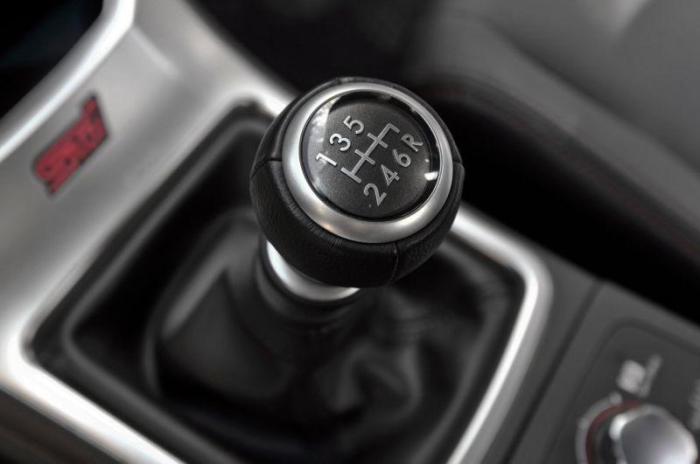
Linkage and Cable Problems: Common Car Manual Transmission Issues And Solutions
Source: carfromjapan.com
The linkage and cable system in a manual transmission is crucial for the smooth operation of the clutch and gear shifting mechanisms. These components translate the driver’s input into physical movements within the transmission, enabling precise control over the gears. Malfunctions in this system can lead to a variety of issues, from difficulty shifting to complete inoperability.
Function of the Linkage and Cables
The linkage and cables are a series of levers, rods, and cables that connect the driver’s gear shift lever and clutch pedal to the internal components of the transmission. These components transmit the force applied by the driver to actuate the clutch and select the desired gear. The cables provide a mechanical advantage, allowing a small force from the driver to control the larger, more powerful components within the transmission.
Common Linkage and Cable Issues
Several problems can arise in the linkage and cable system. These include worn or frayed cables, damaged or broken linkage components, and improper adjustment of the linkages. Corrosion of the metal components can also cause sticking or binding, hindering smooth operation.
Diagnosing Linkage and Cable Problems
A systematic approach to diagnosing linkage and cable issues is essential. First, inspect the cables for any signs of wear, fraying, or damage. Examine the linkage components for any signs of breakage, bending, or corrosion. Check the adjustment of the linkages, ensuring they are properly aligned and correctly adjusted. If a problem is found, try lubricating the components to restore smooth movement.
If lubrication doesn’t resolve the issue, replacement may be necessary.
Repairing Linkage and Cable Problems
Repairing linkage and cable issues often involves replacing worn or damaged components. This may involve replacing cables, adjusting linkages, or replacing broken levers or rods. Replacing cables often involves detaching the old cable, routing the new cable, and reconnecting it to the transmission. Adjustments are crucial to ensure proper function and prevent further damage. Thorough knowledge of the specific vehicle’s linkage and cable system is essential for successful repair.
Typical Wear and Tear Points
| Component | Typical Wear and Tear Points |
|---|---|
| Shifting cables | Ends, sheathing, inner cable |
| Clutch cables | Ends, sheathing, inner cable, attachment points |
| Linkage rods | Pivot points, mounting points, joints |
| Shift lever | Pivot point, attachment points, gear selector fork |
| Clutch pedal | Pivot point, attachment points, return spring |
This table Artikels common areas prone to wear and tear within the linkage and cable system. Regular inspection and maintenance of these points can help prevent major problems and ensure smooth gear shifting and clutch operation. Proper lubrication and adjustment of these points are also crucial for long-term performance.
Troubleshooting Techniques
Source: carfromjapan.com
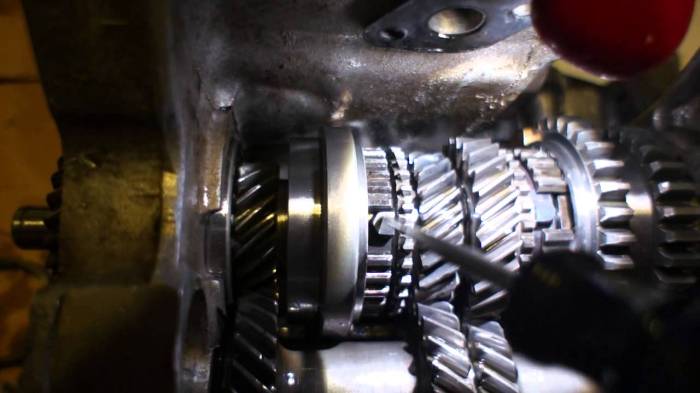
Troubleshooting manual transmission issues often requires a systematic approach. Identifying the precise problem is crucial for effective repair, preventing further damage, and ensuring a cost-effective solution. This section details various diagnostic methods for common transmission problems, from simple checks to more complex procedures.
Systematic Approach to Troubleshooting
A systematic approach to troubleshooting manual transmission issues involves a series of checks, progressing from simple to more involved diagnostics. Begin with visual inspections and basic checks, then move to more advanced tests as needed. This methodical process ensures you target the problem efficiently.
Visual Inspection and Basic Checks
Initial troubleshooting often involves visual inspections and basic checks. Inspecting the linkage, cables, and fluid levels provides a quick assessment of potential issues. Look for any obvious signs of damage, leaks, or unusual wear. Ensure the fluid level is within the recommended range, and visually inspect the fluid for unusual color or debris.
Clutch Problems Diagnostic Methods
Clutch problems often manifest as slipping, dragging, or a complete lack of engagement. Assess the clutch pedal’s free play and ensure it operates smoothly. If slipping occurs, check the clutch cable adjustment and the clutch plate for wear or damage. Examine the pressure plate and flywheel for damage.
Gear Shifting Difficulties Diagnostic Methods
Gear shifting difficulties can stem from various causes, including linkage problems, worn synchronizers, or a faulty selector mechanism. Inspect the linkage for proper alignment and smooth operation. Check for any binding or obstructions in the gear selector mechanism. A gear grinds or skips when shifting could indicate worn synchronizers.
Transmission Fluid Issues Diagnostic Methods
Transmission fluid issues can manifest as unusual noises, rough shifting, or a lack of power. Check the fluid level and condition. If the fluid is low, add the correct type of fluid to the specified level. Inspect the fluid for discoloration or unusual debris. A fluid change might be required.
Linkage and Cable Problems Diagnostic Methods
Linkage and cable problems can lead to improper gear selection and shifting issues. Inspect all linkage components for proper alignment and operation. Check the cables for wear, damage, or proper adjustment. Ensure the linkage and cables are not obstructed by any foreign objects.
Summary of Diagnostic Process
| Problem Type | Initial Checks | Intermediate Checks | Advanced Checks |
|---|---|---|---|
| Clutch Problems | Clutch pedal free play, engagement, visual inspection of cable and components | Clutch cable adjustment, clutch plate inspection, pressure plate and flywheel inspection | Clutch fluid level check, alignment check, testing for proper pressure |
| Gear Shifting Difficulties | Visual inspection of linkage, selector mechanism, cable and components | Gear selection mechanism operation, check for binding, synchronizer inspection | Complete gear engagement and disengagement check, testing the selector mechanism for proper operation |
| Transmission Fluid Issues | Fluid level check, visual inspection for debris, color | Fluid condition check, replacement if needed | Pressure test, flow test |
| Linkage and Cable Problems | Visual inspection of cables and linkage for damage, alignment | Cable adjustment, linkage alignment | Inspection for obstructions, lubrication, replacement if needed |
Preventive Maintenance Tips
Regular maintenance is crucial for preventing transmission problems. Change the transmission fluid according to the manufacturer’s recommendations. Inspect the linkage and cables regularly for wear or damage. Drive the vehicle in a smooth manner to reduce strain on the transmission components. Avoid abrupt starts and stops.
Use appropriate driving techniques for different types of terrain.
Maintenance Practices
Proper maintenance is crucial for the longevity and smooth operation of any manual transmission. Neglecting routine upkeep can lead to premature wear and tear, resulting in costly repairs down the road. A well-maintained transmission will provide reliable performance and significantly extend its lifespan.Regular maintenance, including fluid checks, component inspections, and adherence to recommended intervals, ensures optimal transmission function and prevents potential issues.
This proactive approach is key to minimizing the risk of costly repairs and unexpected breakdowns.
Importance of Regular Maintenance
Regular maintenance is vital for a manual transmission’s health and performance. It allows for the early detection of potential problems, preventing them from escalating into major failures. This proactive approach saves money in the long run by avoiding costly repairs and unexpected breakdowns. Preventive maintenance also enhances the transmission’s overall efficiency, ensuring optimal performance.
Preventative Maintenance Practices
Preventative maintenance involves performing tasks to maintain the transmission in good condition, rather than reacting to problems after they arise. Regular fluid changes, component inspections, and adherence to recommended intervals are critical preventative measures. These practices help extend the life of the transmission, reducing the risk of costly repairs.
Steps for Proper Fluid Checks and Component Inspections
Proper fluid checks and component inspections are essential for maintaining a healthy manual transmission. Regularly checking the transmission fluid level and condition, as well as inspecting components for wear and tear, are crucial. This proactive approach helps identify potential problems early on, preventing them from escalating.
- Fluid Check: Locate the transmission fluid dipstick and carefully remove it. Wipe it clean and reinsert it fully. Remove it again and check the fluid level. The fluid level should be within the specified range on the dipstick. If the fluid is low, add the correct type of transmission fluid, as specified in the owner’s manual.
If the fluid is excessively dirty or has unusual characteristics (e.g., burnt odor, metal shavings), it’s a sign of a potential problem and warrants further investigation.
- Component Inspection: Visually inspect all components for wear and tear, including the clutch, gears, and linkage. Look for any signs of damage, such as cracks, excessive wear, or unusual noises. Properly lubricate moving parts as needed. Pay close attention to the condition of the clutch and its related components. A worn or damaged clutch can cause difficulty shifting gears, loss of power, and other problems.
Recommended Maintenance Intervals
The following table provides a general guideline for recommended maintenance intervals for manual transmissions. However, specific intervals may vary depending on driving conditions, usage patterns, and the vehicle’s make and model. Consult your owner’s manual for the exact recommended intervals for your vehicle.
| Component | Maintenance Interval |
|---|---|
| Transmission Fluid Change | Every 30,000-50,000 miles (or as recommended in the owner’s manual) |
| Component Inspection (Clutch, Linkage, etc.) | Every 50,000-75,000 miles (or as recommended in the owner’s manual) |
| Complete Transmission Service | Every 100,000-150,000 miles (or as recommended in the owner’s manual) |
DIY Repair Procedures
Performing some manual transmission repairs yourself can save money and provide valuable learning experience. However, it’s crucial to understand the risks involved and proceed with caution. Improper repairs can lead to further damage and potentially dangerous situations. This section Artikels safe DIY repair procedures, focusing on common issues and replacement parts.
Simple Transmission Repair Steps, Common car manual transmission issues and solutions
A systematic approach is vital for safe and effective DIY repairs. Begin by gathering the necessary tools and parts, ensuring they are the correct specifications for your vehicle. This minimizes the risk of mismatches and subsequent issues. Thoroughly researching your vehicle’s specific repair procedures is also recommended.
Replacing Worn Clutch Components
Replacing worn clutch components requires careful disassembly and reassembly. Ensure the clutch kit contains all necessary parts, such as the pressure plate, friction disc, and release bearing. Incorrect installation can lead to premature wear or damage. Refer to your vehicle’s repair manual for precise installation instructions. Improper installation can lead to clutch slipping or failure.
- Disassembly: Carefully remove the transmission components, adhering to the correct order. Take detailed notes and photos to aid in the reassembly process. Using the correct tools and procedures ensures safe disassembly.
- Inspection: Examine each part for wear and tear, checking for damage or excessive play. If any part shows signs of excessive wear, it’s crucial to replace it immediately to prevent further damage.
- Installation: Carefully install the new components, ensuring they align correctly with the existing parts. Tighten bolts according to the specifications in the repair manual.
Replacing Worn Transmission Gears
Replacing worn transmission gears requires specialized tools and a meticulous approach. Incorrect installation can lead to transmission failure. Refer to your vehicle’s repair manual for specific gear replacement procedures.
- Disassembly: Carefully remove the transmission components, adhering to the correct order. Take detailed notes and photos to aid in the reassembly process. Using the correct tools and procedures ensures safe disassembly.
- Inspection: Examine the gears for wear and tear, checking for damage or excessive play. If any part shows signs of excessive wear, it’s crucial to replace it immediately to prevent further damage.
- Installation: Carefully install the new gears, ensuring they align correctly with the existing parts. Tighten bolts according to the specifications in the repair manual.
Safety Precautions During DIY Repairs
Safety is paramount during any DIY repair. Proper precautions prevent accidents and potential injuries.
- Wear appropriate safety gear: Use safety glasses, gloves, and sturdy footwear. These protect you from flying debris, sharp objects, and potential chemical exposure.
- Work in a well-ventilated area: Ensure proper ventilation when working with fluids or chemicals. This minimizes exposure to harmful fumes.
- Disconnect the battery: Always disconnect the vehicle’s battery terminals before starting any work on the electrical system. This prevents electrical shock.
- Support the vehicle: When working underneath the vehicle, use jack stands to support it safely. This prevents vehicle collapse and potential injury.
Table of Common Replacement Parts
This table provides a summary of common parts needing replacement in manual transmissions.
| Part | Description | Frequency of Replacement |
|---|---|---|
| Clutch Kit | Includes pressure plate, friction disc, and release bearing. | Typically 50,000-100,000 miles or as needed |
| Transmission Gears | Individual gears within the transmission. | Variable, depending on driving conditions and maintenance |
| Transmission Fluid | Essential for lubrication and cooling. | Every 30,000-50,000 miles or as recommended |
| Linkage and Cables | Control the shifting mechanism. | Variable, depending on wear and tear |
Advanced Transmission Issues
Troubleshooting complex manual transmission problems often requires a deeper understanding of the system’s inner workings and specialized diagnostic tools. This section delves into more intricate issues beyond the typical clutch and shifting problems, exploring potential failures and advanced repair strategies.Advanced transmission issues can stem from various causes, ranging from component wear to internal damage. Understanding these issues allows for more precise diagnosis and effective repair, ultimately saving time and money.
A thorough inspection, coupled with advanced diagnostic techniques, is crucial in tackling these more challenging problems.
Internal Gear Damage
Internal gear damage is a significant concern, especially in high-mileage vehicles or those subjected to harsh driving conditions. This damage can manifest in various ways, including grinding noises, slipping gears, and complete loss of transmission function. Identifying the specific gear involved is critical for repair.The damage can be caused by factors such as metal fatigue, improper lubrication, or foreign objects entering the transmission.
Symptoms can vary depending on the severity and location of the damage, potentially requiring a complete rebuild or replacement of the transmission. A careful visual inspection of the transmission components is essential for detecting signs of damage.
Synchronizer Ring Failure
Synchronizer rings play a vital role in ensuring smooth gear changes. Failure of these rings can result in harsh shifting, difficulty engaging gears, or complete gear shifting inability. The synchronizer rings act as friction surfaces, facilitating the matching of rotational speeds between gears.Damage to the synchronizer rings typically occurs due to wear, excessive heat, or debris in the transmission.
The lack of proper synchronization can lead to excessive wear on other components and potentially cause complete transmission failure. Identifying the specific synchronizer ring that has failed is critical for a successful repair.
Bearing and Shaft Damage
Transmission bearings and shafts are crucial for smooth operation. Damage to these components can lead to various issues, such as vibration, noise, and difficulty in shifting. The transmission’s internal workings rely on precise movement of the shafts and bearings, which, when damaged, can result in significant issues.These issues can arise from prolonged use, incorrect maintenance practices, or external impacts.
Diagnosing these problems often involves carefully listening to the sounds emanating from the transmission. Replacing worn bearings and shafts is a critical step in restoring proper function and preventing further damage.
Transmission Case Problems
Problems with the transmission case, often due to stress fractures or impacts, can manifest as unusual noises or leaks. The transmission case is a crucial component providing support and protection to the internal parts. Any damage to the case can compromise the structural integrity and lead to further damage.Stress fractures or impacts can result in leaks, internal component damage, or even complete failure of the transmission.
Identifying the specific type of damage is crucial for effective repair. Visual inspection, including checking for cracks and leaks, is a key part of the diagnostic process.
Advanced Troubleshooting Table
| Symptom | Possible Cause | Diagnostic Steps | Repair Procedure |
|---|---|---|---|
| Grinding noises during shifting | Damaged synchronizer rings, gears, or bearings | Inspect gears, shafts, and bearings. Listen for specific noises during each gear shift. | Replace damaged parts. |
| Difficulty engaging gears | Worn synchronizer rings, clutch, or linkage issues | Check synchronizer ring engagement, clutch operation, and linkage components. | Repair or replace worn parts, adjust linkage. |
| Vibration and noise | Damaged bearings, shafts, or internal components | Listen for specific frequencies and patterns of vibration. Use a stethoscope to pinpoint the source. | Replace damaged bearings and shafts. |
| Leaks | Damaged transmission case, seals, or gaskets | Inspect the transmission case for cracks, and check for leaks around seals and gaskets. | Repair or replace damaged case, seals, and gaskets. |
Visual Aids and Illustrations
Source: qsautorepair.com
Visual aids are crucial for understanding complex mechanical systems like manual transmissions. Illustrations and diagrams provide a clear, concise representation of the various components and their interrelationships, making it easier to grasp how the system works and troubleshoot potential issues. This section details visual representations of a manual transmission, focusing on its components, gear sets, and fluid changes.
Manual Transmission System Diagram
A comprehensive diagram of a manual transmission system is essential for understanding its inner workings. This diagram should depict the various components in a clear and labeled format. The diagram should show the input shaft, output shaft, gear sets, clutch assembly, and linkage mechanism. A well-designed diagram will highlight the specific path of power flow as it travels through the transmission.
Understanding this path is crucial for troubleshooting issues related to power transmission. Key components should be clearly labeled, facilitating identification.
Manual Transmission Components Diagram
A detailed diagram of a manual transmission’s components is provided below. This diagram should clearly show the layout of the transmission, illustrating the position and function of each component. It is important to accurately depict the gear sets, synchronizers, bearings, seals, and other essential parts. The diagram should ideally include a cross-section view to provide a clearer understanding of the internal structure.
Transmission Fluid Change Procedure
A step-by-step visual guide for changing transmission fluid is presented below. This graphic will be invaluable for those performing this maintenance task themselves. The steps should include:
- Gathering necessary tools and materials, including the correct type of transmission fluid.
- Locating the transmission drain plug and fill plug.
- Positioning the transmission pan to facilitate proper fluid drainage.
- Removing the drain plug and allowing the fluid to drain completely.
- Replacing the drain plug and tightening it to the appropriate torque specification.
- Locating the transmission fill plug and removing it.
- Adding the specified amount of new transmission fluid through the fill plug.
- Checking the fluid level with the dipstick and making necessary adjustments.
- Replacing the fill plug and tightening to the proper torque.
This detailed visual guide will prevent errors during the fluid change process, leading to a more effective maintenance procedure.
Manual Transmission Gear Set Schematic
A schematic of a manual transmission gear set is presented below. This diagram will illustrate the arrangement of gears and their meshing relationships. This is vital for understanding how gear ratios are generated. The diagram should show the various gear sets in the transmission and how they interact to provide different gear ratios. The schematic should highlight the critical components of each gear set, such as the gear teeth and their engagement patterns.
The arrangement of the gears in relation to the input and output shafts should be clearly depicted.


