
Introduction to Fuel Types and Car Performance
Effects of different fuel types on car performance – Automobiles rely on various fuel types to generate power, each with unique characteristics impacting engine performance. Understanding these differences is crucial for appreciating the trade-offs between efficiency, emissions, and overall driving experience. This section explores the fundamental principles governing fuel combustion and power output in different vehicle types.The performance of a car is significantly influenced by the fuel it uses.
Factors like energy density, combustion efficiency, and emissions all play a critical role in determining a vehicle’s overall performance and environmental impact.
Fuel Type Overview
Different fuel types exhibit varying properties impacting engine performance and environmental impact. Gasoline, diesel, electric, and biofuels represent major categories, each with distinct characteristics.
- Gasoline, a refined petroleum product, is widely used for its relatively high energy density and established infrastructure. Its chemical composition primarily consists of hydrocarbons with varying chain lengths.
- Diesel fuel, another petroleum derivative, differs from gasoline in its chemical structure. Diesel’s higher energy density and slower combustion process contribute to its distinct performance characteristics compared to gasoline.
- Electric vehicles rely on electricity as their primary energy source. This energy is typically generated from renewable or non-renewable sources, impacting the vehicle’s overall carbon footprint. The energy density of electricity is dependent on the source of power generation.
- Biofuels, derived from renewable biomass sources, offer an alternative to traditional fossil fuels. Examples include biodiesel and ethanol, which vary in their composition and energy density, often exhibiting a blend of characteristics from their origins.
Chemical Composition and Energy Density
The chemical composition of a fuel directly impacts its energy density, which, in turn, affects the power output of an engine. Higher energy density fuels generally provide more power per unit mass.
- Gasoline’s chemical composition is predominantly hydrocarbons, with different molecules exhibiting varying energy contents. These hydrocarbons are primarily alkanes and are arranged in chains.
- Diesel fuel’s chemical composition is also primarily hydrocarbons, but with a higher proportion of longer-chain alkanes, leading to a higher energy density compared to gasoline.
- Electric vehicles store energy chemically in batteries, converting it to electrical energy for the motor. The energy density of the battery significantly impacts the vehicle’s range.
- Biofuels, such as biodiesel and ethanol, have different chemical compositions, impacting their energy density and other properties. For example, biodiesel is typically derived from vegetable oils or animal fats.
Fuel Combustion and Power Output
Fuel combustion within an engine converts the chemical energy stored in the fuel into mechanical energy, driving the vehicle’s motion. The efficiency of this process varies depending on the fuel type.
Fuel combustion in an internal combustion engine releases energy in the form of heat. This heat is then converted into mechanical energy to drive the pistons and ultimately propel the vehicle.
Comparison of Energy Content
The following table presents a comparison of the approximate energy content (kJ/kg) for various fuel types. These values are approximate and may vary based on specific formulations.
| Fuel Type | Approximate Energy Content (kJ/kg) |
|---|---|
| Gasoline | 44,000 – 46,000 |
| Diesel | 45,000 – 47,000 |
| Electricity (kWh/kg) | 36,000 – 38,000 (depending on battery technology) |
| Biodiesel | 40,000 – 42,000 |
Engine Performance Metrics: Effects Of Different Fuel Types On Car Performance
Source: b-cdn.net
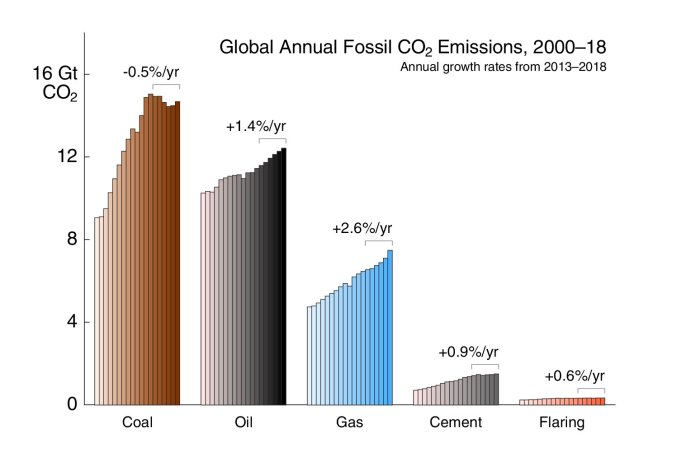
Engine performance is a crucial aspect of evaluating the effectiveness and efficiency of different fuel types. Various metrics provide insights into how well an engine functions and utilizes fuel. Understanding these metrics helps in comparing and contrasting the performance characteristics of gasoline, diesel, and electric powertrains.Different metrics are employed to assess engine performance, ranging from power output to fuel efficiency and emissions.
These metrics are measured under standardized conditions to ensure consistent and reliable comparisons. Analyzing these metrics provides a clear understanding of the strengths and weaknesses of each fuel type in relation to car performance.
Power Output
Power output, often expressed in horsepower (hp) or kilowatts (kW), measures the engine’s ability to perform work. It’s a critical factor in acceleration and overall vehicle performance. Higher power output generally translates to quicker acceleration and higher top speeds. Power output is measured using dynamometers, specialized equipment that simulates driving conditions and measures the force produced by the engine.
Torque
Torque, measured in pound-feet (lb-ft) or Newton-meters (Nm), is the rotational force produced by the engine. Torque is essential for acceleration, especially at lower speeds. High torque allows for a more responsive vehicle, particularly when accelerating from a standstill or climbing hills. Torque is also measured using dynamometers, with the equipment carefully calibrated to accurately record the rotational force.
Fuel Efficiency
Fuel efficiency, typically expressed as miles per gallon (mpg) or kilometers per liter (km/l), quantifies how effectively the engine converts fuel into usable energy. Higher fuel efficiency means lower fuel consumption, which translates to reduced operating costs and a smaller environmental impact. Fuel efficiency is measured under standardized driving conditions to ensure accurate comparisons. Tests are conducted using specialized equipment that precisely monitors fuel consumption during controlled driving cycles.
Emissions
Emissions, measured in various units depending on the specific pollutant (e.g., grams per kilometer for carbon monoxide), quantify the harmful substances released into the atmosphere. Reducing emissions is crucial for environmental protection and compliance with regulations. Emissions are measured using specialized equipment that accurately quantifies the concentration of pollutants in exhaust gases.
Impact of Fuel Types on Performance Metrics
Different fuel types exhibit varying performance characteristics across these metrics. Gasoline engines generally excel in power output, particularly at higher RPMs. Diesel engines typically provide higher torque at lower RPMs, making them well-suited for towing and heavy-duty applications. Electric vehicles prioritize fuel efficiency and zero tailpipe emissions.
Typical Power Output Ranges
| Fuel Type | Typical Power Output Range (hp) |
|---|---|
| Gasoline | 100-400+ |
| Diesel | 150-500+ |
| Electric | 100-500+ |
Note: These are general ranges and actual power output can vary significantly based on the specific vehicle model and engine specifications.
Effects on Power Output and Torque
Different fuel types exert varying effects on an engine’s power output and torque characteristics. These differences stem primarily from variations in combustion efficiency and ignition properties, impacting the overall performance of the vehicle. A deeper understanding of these effects is crucial for optimizing engine performance and fuel efficiency.Engine performance is fundamentally tied to the combustion process. Different fuels have varying energy densities, ignition points, and combustion rates, which directly influence the power generated and torque delivered at different engine speeds.
These differences translate to noticeable variations in acceleration, top speed, and overall driving experience.
Combustion Efficiency and Fuel Type
Fuel combustion efficiency is a key determinant of power output. Different fuels have different chemical compositions, impacting the amount of energy released during combustion. For instance, higher octane fuels, like premium gasoline, generally lead to more complete combustion, resulting in higher power output compared to lower octane fuels. This enhanced combustion efficiency translates to greater energy release and consequently, higher power and torque.
The incomplete combustion of lower octane fuels results in less power and torque.
Ignition Characteristics and Fuel Type
Ignition characteristics are another crucial aspect. Fuels with different ignition qualities ignite at different points in the engine cycle. This difference can affect the power output and torque characteristics, particularly at high engine speeds. For instance, fuels with faster ignition rates can deliver power more quickly and efficiently, leading to improved acceleration and responsiveness. Conversely, fuels with slower ignition rates may lead to a reduction in power and torque at higher engine speeds.
Torque Curves for Different Fuels
The following table illustrates the torque curves for various fuel types across different engine speeds. These curves provide a visual representation of the torque output at specific engine speeds. Note that these are illustrative examples, and actual curves will vary based on specific engine design and fuel properties.
| Fuel Type | Engine Speed (RPM) | Torque (Nm) |
|---|---|---|
| Premium Gasoline | 1500 | 180 |
| Premium Gasoline | 2500 | 220 |
| Premium Gasoline | 3500 | 200 |
| Regular Gasoline | 1500 | 160 |
| Regular Gasoline | 2500 | 200 |
| Regular Gasoline | 3500 | 180 |
| Diesel | 1500 | 250 |
| Diesel | 2500 | 280 |
| Diesel | 3500 | 260 |
These torque curves demonstrate the notable differences in torque output between different fuel types at various engine speeds. The curves reflect the influence of factors like combustion efficiency and ignition characteristics on the engine’s torque production.
Fuel Efficiency and Consumption
Source: uci.edu
Fuel efficiency, a crucial aspect of vehicle operation, directly impacts the economic and environmental footprint of transportation. Different fuel types, with varying energy densities and combustion characteristics, lead to significant variations in fuel economy. Understanding these differences is essential for informed decision-making regarding vehicle operation and fuel selection.Fuel efficiency is generally measured in miles per gallon (MPG) or kilometers per liter (KPL).
Higher MPG or KPL values indicate better fuel efficiency, meaning the vehicle travels farther on a given amount of fuel. This metric is influenced by numerous factors, including engine design, driving style, and external conditions. Fuel type plays a pivotal role in these calculations.
Impact of Fuel Type on Mileage
Different fuel types have varying energy densities. Higher energy density fuels, like premium gasoline, often lead to slightly improved mileage compared to regular gasoline, especially in high-performance engines. However, the improvement is typically modest. Other factors, like engine tuning, significantly affect the relationship between fuel type and mileage. The marginal gain in fuel economy with premium gasoline is often outweighed by its higher cost.
Relationship Between Fuel Type and Consumption Rates
Fuel consumption rates are intrinsically linked to fuel type and driving conditions. The energy content of each fuel type dictates the amount of fuel required to generate a specific amount of power. Higher energy density fuels theoretically result in lower consumption rates for equivalent performance. However, factors like engine efficiency, driving style, and external factors like temperature and elevation, play a significant role in overall fuel consumption.
Furthermore, the specific engine design and its optimization for a particular fuel type significantly impact the actual consumption rates.
Average Fuel Consumption Comparison
The following table provides a general comparison of average fuel consumption rates for vehicles running on different fuel types under similar driving conditions. These figures are approximate and can vary based on factors like vehicle type, engine size, and driver behavior.
| Fuel Type | Average Fuel Consumption (KPL) | Remarks |
|---|---|---|
| Regular Gasoline | 10-15 | Commonly used fuel type, representing a baseline. |
| Premium Gasoline | 10-16 | Often slightly better mileage compared to regular, but higher cost. |
| Diesel | 15-20 | Higher energy density generally leading to better fuel economy. |
| Electric | 15-30+ | Highly variable based on vehicle type and driving conditions, often exceeding conventional fuels. |
| Biodiesel | 10-18 | Variable depending on biodiesel type and quality, generally similar to diesel. |
Emissions and Environmental Impact
Different fuel types have varying impacts on the environment. Understanding these effects is crucial for informed choices and sustainable practices in the automotive sector. The emissions released during combustion significantly influence air quality and contribute to global climate change.
Emissions Profile of Different Fuel Types
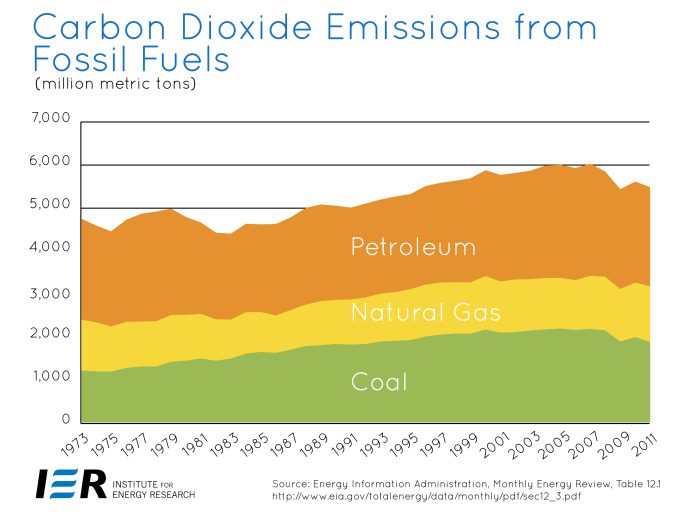
Combustion of fuels releases various pollutants into the atmosphere. The specific mix of pollutants depends heavily on the fuel’s chemical composition. Fossil fuels, for example, release carbon dioxide (CO2), a significant greenhouse gas, along with nitrogen oxides (NOx), sulfur oxides (SOx), and particulate matter (PM). Renewable fuels, such as biodiesel and ethanol, generally produce lower levels of some pollutants compared to fossil fuels, but their environmental impact is still a complex issue.
Greenhouse Gas Emissions
Greenhouse gas emissions, primarily CO2, are a major concern. The combustion of fossil fuels like gasoline and diesel releases substantial amounts of CO2 into the atmosphere, contributing to the greenhouse effect and global warming. Renewable fuels, while not completely emission-free, often show reduced CO2 output compared to fossil fuels. The carbon footprint of a fuel type is a critical factor in evaluating its environmental impact.
Particulate Matter Emissions
Particulate matter (PM) emissions are another crucial aspect of environmental concern. Diesel engines, in particular, produce significant amounts of PM, which can have detrimental health effects, contributing to respiratory problems and cardiovascular issues. Gasoline engines also release PM, although typically at lower levels. Technological advancements aim to reduce PM emissions across various fuel types.
Environmental Concerns Related to Emissions
Emissions from various fuel types contribute to a range of environmental problems. Increased greenhouse gas concentrations lead to climate change, including rising temperatures, sea levels, and extreme weather events. Air pollution from particulate matter and other pollutants negatively impacts human health and ecosystems. The cumulative effect of emissions from all sources significantly influences the overall environmental burden.
Environmental Impact of Using Different Fuels
The environmental impact of different fuels extends beyond direct emissions. The production and transportation of fuels also contribute to their overall carbon footprint. Renewable fuels, such as biofuels, often have a lower carbon footprint during their lifecycle, but the sustainability of their production methods is a key consideration. The entire life cycle of the fuel should be considered.
Emission Levels Comparison
| Fuel Type | Greenhouse Gas Emissions (CO2 eq.) | Particulate Matter Emissions (g/km) | Other Emissions |
|---|---|---|---|
| Gasoline | ~2.5 kg/gallon | 0.1-0.3 g/km | NOx, SOx |
| Diesel | ~3.0 kg/gallon | 0.3-0.8 g/km | NOx, SOx, soot |
| Biodiesel | ~2.2 kg/gallon (depending on feedstock) | 0.05-0.2 g/km | NOx, SOx |
| Electricity (from renewable sources) | 0 kg/kWh (in theory) | 0 g/km | minimal, dependent on electricity generation |
Note: Values are approximate and can vary based on factors like engine technology, driving conditions, and specific fuel formulations.
Specific Examples of Different Fuel Types
Different fuel types significantly impact vehicle performance, efficiency, and environmental footprint. Understanding these effects is crucial for informed consumer choices and sustainable transportation solutions. This section delves into the specifics of gasoline, diesel, electric, and biofuel applications, examining their respective advantages and disadvantages.
Gasoline-Powered Vehicles
Gasoline remains a dominant fuel source for internal combustion engines (ICE) in various vehicle types. Its widespread use stems from readily available infrastructure and established engine designs. However, performance varies significantly based on vehicle type and engine specifications.
- Passenger Cars: Gasoline-powered passenger cars generally offer a balance of power and fuel efficiency, suitable for everyday commuting. Engine performance is typically optimized for a moderate power output and good fuel economy, particularly in smaller, lighter vehicles. However, performance can be affected by factors like engine size, turbocharging, and specific engine design. Examples include compact sedans and SUVs.
- Sports Cars: High-performance gasoline engines in sports cars prioritize power output and acceleration. These engines often feature high compression ratios, advanced engine management systems, and performance-oriented components to deliver rapid acceleration and spirited driving experiences. For example, sports cars frequently utilize powerful engines with high horsepower ratings, such as V8 or V10 configurations.
- Trucks: Larger vehicles like trucks typically require more robust engines to handle heavy loads and towing capabilities. Gasoline-powered trucks, while available, often face limitations in terms of torque and fuel efficiency compared to diesel counterparts for similar weight and power applications.
Diesel-Powered Vehicles
Diesel engines, known for their high torque output, have historically been favored for heavy-duty applications. Their efficiency in converting fuel into power makes them attractive for vehicles requiring significant power and towing capacity.
- Trucks and Buses: Diesel engines excel in trucks and buses due to their high torque output, enabling them to handle heavy loads efficiently. This efficiency translates to reduced fuel consumption per unit of work compared to gasoline engines. This characteristic is crucial for long-haul trucking and public transport applications.
- Cars and SUVs: While less common than in heavier-duty vehicles, diesel engines are also used in some passenger vehicles. These offer improved fuel economy compared to gasoline engines. However, stricter emission regulations have impacted the use of diesel engines in passenger cars in some regions.
Electric Vehicle Powertrains
Electric vehicles (EVs) rely on electric motors powered by batteries. Their performance is characterized by instant torque delivery and near-silent operation. Charging infrastructure is crucial for widespread EV adoption.
- Performance: EVs typically exhibit rapid acceleration due to the instantaneous torque provided by electric motors. This, combined with lower rolling resistance compared to gasoline vehicles, translates to competitive performance in acceleration tests and overall driving experience.
- Charging Infrastructure: The availability of charging stations is a critical factor in EV adoption. Public charging networks are rapidly expanding, but further development is needed for widespread convenience and accessibility. The charging time and speed vary depending on the charging station type and the vehicle’s battery capacity.
Biofuels
Biofuels are derived from renewable biomass sources. Their use can reduce reliance on fossil fuels, but their impact on performance and emissions is complex.
- Advantages: Biofuels offer a potential pathway to reduce reliance on fossil fuels and mitigate greenhouse gas emissions. Their renewability presents a long-term sustainable energy solution.
- Disadvantages: The production of biofuels can sometimes have negative environmental impacts. Land use for biofuel crops can affect biodiversity and contribute to deforestation. Performance characteristics, including fuel efficiency and power output, can vary depending on the specific biofuel type and the vehicle’s engine design.
Future Trends and Advancements
Source: linquip.com
The automotive industry is constantly evolving, driven by a need for improved performance, enhanced efficiency, and reduced environmental impact. Emerging fuel technologies are playing a pivotal role in this transformation, offering exciting possibilities for the future of transportation. This section explores these advancements, highlighting the potential impact on car performance and the role of alternative fuels.
Emerging Fuel Technologies
Current research and development efforts are focused on several innovative fuel technologies. These advancements are aimed at achieving higher fuel efficiency, lower emissions, and enhanced power output. One significant area of focus is the development of biofuels derived from sustainable sources, such as algae or agricultural waste. These biofuels can potentially reduce reliance on fossil fuels and contribute to a more sustainable transportation system.
Advancements in Fuel Efficiency and Engine Design, Effects of different fuel types on car performance
Engine design is undergoing significant improvements to optimize fuel efficiency. Hybrid and electric vehicles are already prevalent, demonstrating the potential for significant gains in fuel economy. Further advancements are expected in the development of more compact and powerful electric motors. Simultaneously, conventional internal combustion engines are being engineered to operate with greater efficiency through technologies such as improved combustion processes and advanced turbocharging systems.
These innovations are critical to minimizing fuel consumption and maximizing performance.
Alternative Fuels in the Future of Transportation
Alternative fuels, such as hydrogen, are gaining traction as potential replacements for traditional gasoline and diesel fuels. Hydrogen fuel cell vehicles offer the potential for zero tailpipe emissions, and advancements in hydrogen storage and production technologies are crucial for widespread adoption. The development of infrastructure to support the use of alternative fuels, including hydrogen refueling stations, is also a significant factor in their future integration into the transportation sector.
Furthermore, the exploration of ammonia as a fuel source is gaining momentum, due to its high energy density and potential for emission reduction.
Expected Improvements in Performance Metrics
Future fuel technologies are expected to result in significant improvements in key performance metrics. Improved fuel efficiency will translate into lower fuel consumption and reduced operating costs for vehicle owners. Electric vehicles, for instance, are demonstrating impressive acceleration capabilities and high torque outputs at low speeds, often surpassing traditional gasoline-powered vehicles. Advancements in engine design are also expected to improve power output and torque, while simultaneously reducing emissions.
The transition to alternative fuels will potentially lead to even more significant improvements in performance metrics in the long term.


