Iconic Car Brands & Models
Most legendary tuner cars for iconic modifications and style – The world of automotive tuning boasts a rich tapestry of creativity and innovation, where skilled artisans transform ordinary vehicles into extraordinary masterpieces. Certain car brands have become synonymous with specific tuning styles and philosophies, shaping the automotive landscape with their iconic modifications. This section delves into five prominent brands and their models, highlighting their significant contributions to the tuning culture.
Iconic Car Brands Known for Tuning
Several car manufacturers have cultivated a reputation for producing vehicles that are both desirable and modifiable. These brands often have a rich history of tuning culture, drawing enthusiasts and professionals alike to push the limits of performance and aesthetics.
- Toyota: Known for reliability and affordability, Toyota has a large and devoted following of tuners who modify the vehicles for both performance and aesthetic enhancements.
- Nissan: Nissan has a long history of producing sports cars and performance vehicles, creating a strong tuning community. This community thrives on creating powerful and stylish modifications.
- Honda: Renowned for its performance-oriented engines, Honda attracts a vast tuning community, particularly for its sports cars and hatchbacks.
- BMW: Known for luxury and performance, BMW’s vehicles are highly sought after by tuners looking to enhance the driving experience and aesthetic of the car.
- Mazda: Mazda’s reputation for responsive handling and distinctive styling has attracted a dedicated tuning community, often seeking to further enhance the driving experience and aesthetic appeal.
Specific Models Known for Modifications
Within each of these brands, specific models have become popular targets for significant modifications, reflecting the brand’s inherent qualities and appealing to specific tuning aesthetics.
| Brand | Model | Notable Tuning Feature | Impact on Car’s Image |
|---|---|---|---|
| Toyota | Supra | Supercharged engines and aerodynamic body kits | Elevates the Supra’s performance and aggressive appearance, creating a distinct image among tuner cars. |
| Toyota | AE86 | Lightweight chassis modifications and performance upgrades | Presents a balance between classic style and modern performance, attracting enthusiasts focused on handling and precise control. |
| Toyota | Corolla | Custom suspension and aggressive body kits | Transforms the everyday Corolla into a stylish and personalized hatchback, appealing to a wider audience seeking unique designs. |
| Nissan | 350Z | Powerful engine upgrades and custom exhaust systems | Creates a powerful and aggressive sports car image, emphasizing performance and exhilarating driving experience. |
| Nissan | GT-R | Engine enhancements and lightweight modifications | Reinforces the GT-R’s reputation as a high-performance, capable sports car, with a focus on raw power and sophistication. |
| Nissan | Skyline | Aggressive body kits and performance enhancements | Creates a powerful and aggressive image, attracting enthusiasts who appreciate the sporty and powerful aesthetic. |
| Honda | Civic | Suspension tuning and performance upgrades | Highlights the Civic’s agile and responsive handling, appealing to those seeking a balance between practicality and performance. |
| Honda | S2000 | Engine upgrades and lightweight modifications | Elevates the S2000’s already responsive performance, catering to enthusiasts who prioritize a driving experience that combines precision and excitement. |
| Honda | Integra | Custom body kits and engine modifications | Creates a sporty and personalized image, catering to enthusiasts who appreciate the balanced performance and customization. |
| BMW | E30 | Lightweight suspension and power upgrades | Emphasizes the E30’s iconic handling and performance, attracting a wide range of enthusiasts focused on both aesthetic and practical performance enhancements. |
| BMW | M3 | Enhanced engine performance and aerodynamic enhancements | Reinforces the M3’s reputation as a high-performance sports sedan, emphasizing power and driving experience. |
| BMW | E46 | Suspension tuning and aesthetic modifications | Creates a personalized image that blends the car’s inherent elegance with personalized touches. |
| Mazda | RX-7 | Engine tuning and suspension modifications | Highlights the RX-7’s legendary rotary engine and unique driving characteristics, appealing to enthusiasts who value both performance and originality. |
| Mazda | MX-5 | Suspension tuning and aerodynamic enhancements | Creates a more engaging and enjoyable driving experience, appealing to those seeking a balance between handling and performance. |
| Mazda | Miata | Custom body kits and performance modifications | Transforms the Miata into a distinctive and personalized sports car, appealing to enthusiasts who appreciate the blend of style and performance. |
Historical Significance of Tuning Cultures
The tuning culture within these brands has evolved over time, reflecting the changing preferences and technological advancements. Early tuning often focused on performance upgrades, but modern tuning often combines performance with aesthetics. These modifications reflect the passion and dedication of enthusiasts who seek to personalize and enhance their vehicles.
Key Tuning Modifications
Tuner cars, renowned for their performance and aesthetic enhancements, often undergo a series of meticulous modifications. These modifications, carefully planned and executed, aim to maximize both the car’s performance capabilities and its visual appeal. This section delves into the key modifications commonly employed, exploring the interplay between performance and style in shaping the distinctive character of a tuner car.Beyond the basic modifications, a deep understanding of the interplay between performance and styling is crucial.
Often, performance enhancements directly influence the car’s aesthetic, while specific styling modifications might impact handling or aerodynamics. The goal is a harmonious blend, where the car’s visual appeal complements its performance characteristics.
Performance Tuning Modifications
Understanding the modifications that enhance a car’s performance is essential to appreciating the art of tuning. Various upgrades focus on optimizing different aspects of the vehicle, from engine output to suspension responsiveness.
- Engine Upgrades: Engine upgrades are a common performance enhancement. This can include modifications such as installing high-performance pistons, upgraded cylinder heads, or installing turbochargers or superchargers. These upgrades significantly increase horsepower and torque, leading to improved acceleration and top speed. For instance, installing a supercharger on a naturally aspirated engine can boost output by a substantial margin, allowing the car to reach higher speeds and accelerate quicker.
- Exhaust Systems: Exhaust systems play a vital role in modifying a car’s performance and sound. Replacing the stock exhaust system with a performance exhaust can improve engine breathing, resulting in better power delivery and a more aggressive exhaust note. These systems typically feature high-flow mufflers and less restrictive piping, enhancing the car’s exhaust flow.
- Suspension Modifications: Suspension modifications are crucial for improving handling and responsiveness. Upgrading to stiffer springs and dampers provides better road holding and reduces body roll during cornering. Adjustable coilovers, for instance, allow for precise tuning of the suspension characteristics, enabling drivers to optimize handling for different driving conditions.
- Transmission Upgrades: Upgrading the transmission can dramatically affect a car’s performance. This could involve installing a performance clutch or a higher-performance transmission with quicker shifts. These upgrades can significantly improve acceleration and overall responsiveness.
- Braking Systems: Upgrading the braking system is a critical component of performance tuning. High-performance brake pads, larger brake rotors, and upgraded calipers can dramatically improve stopping power, essential for safety and handling.
Styling Modifications
The visual appeal of tuner cars often involves modifications that enhance their aesthetics. These changes can range from subtle enhancements to more dramatic alterations.
- Body Kits: Body kits are a popular styling modification, adding unique bumpers, side skirts, and spoilers. These additions often improve aerodynamics, enhancing the car’s performance and contributing to a more aggressive appearance.
- Wheels and Tires: Replacing stock wheels with larger, lighter, and more stylish aftermarket wheels is a common modification. The choice of tires significantly impacts handling and performance, while the wheels visually alter the car’s stance and overall aesthetic.
- Paint Jobs: Paint jobs, including custom colors, graphics, and decals, are integral to the aesthetic transformation of tuner cars. These personalized paint jobs enhance the car’s visual appeal, reflecting the owner’s taste and style.
Impact of Modifications on Aesthetics
The impact of performance and styling modifications on a car’s overall aesthetic is multifaceted. Performance upgrades, while often invisible, can subtly influence the car’s overall visual appeal through changes in stance or exhaust note. Styling modifications directly affect the car’s appearance, but careful consideration is necessary to ensure the modifications harmoniously complement the car’s design and performance characteristics.
| Modification Type | Visual Description | Effect on Performance | Impact on Style |
|---|---|---|---|
| Engine Upgrade (Turbocharger) | Increased engine size, visible turbocharger | Increased horsepower, torque, and acceleration | More aggressive and powerful aesthetic |
| Body Kit (Front Spoiler) | Modified front bumper and spoiler | Slight improvement in aerodynamics | More aggressive and sporty front end |
| Wheels and Tires (Larger Alloy Wheels) | Larger diameter wheels and tires | Improved handling and stability | More aggressive and sporty look |
| Exhaust System (Performance Exhaust) | Modified exhaust pipes and mufflers | Improved engine breathing, better sound | More aggressive and distinctive exhaust note |
Legendary Tuner Car Examples

Source: hotcarsimages.com
Tuner cars, often exceeding the capabilities of stock vehicles, have shaped the automotive landscape. Beyond basic performance enhancements, these modifications frequently imbue a unique aesthetic that reflects the tuner’s vision. This evolution showcases the creativity and technical prowess in modifying vehicles for both performance and visual appeal.
Renowned Tuner Cars
The following five examples exemplify the diverse approaches and lasting impact of tuner car modifications. Their unique designs and modifications have significantly influenced the tuning scene, inspiring generations of enthusiasts.
- Nissan Skyline GT-R (R32/R33/R34): The Skyline GT-R, particularly the R32, R33, and R34 generations, are iconic for their aggressive body kits, powerful engines, and sophisticated suspension setups. Early modifications focused on boosting engine power through turbo upgrades, often exceeding 400 horsepower. Subsequent generations saw enhancements in aerodynamic design, further optimizing performance. The R34, particularly, is renowned for its combination of power, handling, and iconic styling, leaving a lasting impact on the drifting and performance tuning scenes.
The use of sophisticated aerodynamics and lightweight components played a crucial role in achieving these goals.
- Toyota AE86 Corolla Levin/Trueno: Known for its lightweight design and naturally aspirated engine, the AE86 Corolla, often tuned for drift racing, showcases a unique philosophy of modifying a vehicle’s handling characteristics rather than solely maximizing power output. Early modifications focused on lighter components and optimized suspension setups to enhance handling and maneuverability. The focus on drift-oriented modifications and the vehicle’s overall balanced performance have made it a legendary car in the tuning world.
- Honda Civic EK9: The Honda Civic EK9 embodies the essence of a tuner car. Modifications frequently involved lightweight components, meticulously tuned suspensions, and aftermarket exhaust systems. The car’s performance was significantly enhanced with the addition of turbochargers and other performance modifications, resulting in a combination of potent acceleration and precise handling. The Civic EK9’s versatility and adaptability to various tuning styles have ensured its enduring popularity.
- Mazda RX-7 FD3S: The FD3S RX-7, with its distinctive rotary engine, attracted modifications focusing on improving the rotary engine’s performance and efficiency. Notable modifications include enhancements to the engine’s internals, ensuring optimal power delivery. Aerodynamic body kits and lightweight components were commonly added to maximize handling and stability. The RX-7’s unique character and adaptability to different tuning styles have contributed significantly to its legacy.
- BMW E30 M3: The BMW E30 M3, though not a ‘tuner car’ in the typical sense, was often heavily modified for enhanced performance. Early modifications focused on enhancing engine power, often through turbocharging. The car’s lightweight design, coupled with the addition of aftermarket components, resulted in an impressive balance of performance and handling. The E30 M3 has inspired countless modifications and has a strong following within the automotive community.
Evolution of Modifications
The evolution of modifications for these cars demonstrates a continuous pursuit of optimization. Early modifications often focused on increasing power output and handling, but over time, aesthetics and functionality have become intertwined. Tuners now seek to achieve a harmonious blend of performance, style, and practicality, resulting in cars that are both visually striking and highly capable.
Impact on the Automotive Tuning Scene
These legendary tuner cars have profoundly impacted the automotive tuning scene. Their modifications have served as benchmarks, inspiring countless enthusiasts and driving the development of new technologies and techniques in automotive tuning. The impact extends beyond the cars themselves, influencing design aesthetics, performance standards, and the entire culture surrounding modified vehicles.
Legendary Tuner Car Overview
| Car Name | Tuning Style | Notable Features | Legacy |
|---|---|---|---|
| Nissan Skyline GT-R (R32/R33/R34) | Performance, Drift | Powerful engine, aggressive body kits, sophisticated suspension | Iconic performance and styling; significant influence on drifting |
| Toyota AE86 Corolla Levin/Trueno | Drift, Handling | Lightweight design, naturally aspirated engine, balanced handling | Legendary for its handling characteristics and drift culture |
| Honda Civic EK9 | Performance, Handling | Lightweight components, tuned suspensions, aftermarket exhausts | Versatile tuning style, significant influence on performance modifications |
| Mazda RX-7 FD3S | Performance, Rotary Engine | Rotary engine modifications, aerodynamic body kits, lightweight components | Unique rotary engine characteristics, contributing to performance modifications |
| BMW E30 M3 | Performance Enhancement | Engine power enhancements, aftermarket components, balanced handling | Inspired modifications for enhanced performance, handling, and style |
Tuning Philosophies & Aesthetics
Tuning philosophies are the guiding principles behind a car’s modifications, shaping its visual identity and performance characteristics. Beyond simply enhancing speed or handling, these philosophies reflect the owner’s personal tastes and desired image projection. Understanding these philosophies helps appreciate the diversity and creativity in the world of performance tuning.The aesthetic choices made in tuning a car are as varied as the individual preferences of the owners.
The key is recognizing the underlying tuning philosophy that guides these choices, which often translate into specific visual styles, ranging from subtle enhancements to aggressive, almost radical transformations. These choices communicate a message, whether understated sophistication or bold, personalized expression.
Aggressive Tuning Philosophy
This philosophy prioritizes maximizing power and performance, often resulting in a more aggressive and imposing appearance. The aim is to visually communicate raw power and capability. Aggressive tuning typically involves noticeable modifications to the car’s exterior and mechanical components, aiming for a more striking and dramatic effect.
Subtle Tuning Philosophy
A subtle tuning approach focuses on refining and enhancing the car’s existing aesthetics without drastically altering its original form. This philosophy seeks to elevate the car’s appeal without making it overly conspicuous. Subtle tuning often prioritizes high-quality materials and refined details, creating a sophisticated and sophisticated image.
Custom Tuning Philosophy
Custom tuning stands apart from the other philosophies in its individualized approach. It prioritizes uniqueness and personalization, making each car a one-of-a-kind expression. The focus is on achieving a completely bespoke aesthetic, often combining elements from various styles and modifying them to create something entirely new. The outcome is often a highly individualized expression of the owner’s personality and tastes.
Comparison of Tuning Philosophies
| Philosophy | Key Design Elements | Target Audience | Associated Car Examples |
|---|---|---|---|
| Aggressive | Large spoilers, aggressive body kits, low-profile tires, exposed performance parts (e.g., oversized exhausts, air intakes). | Individuals seeking to showcase power and performance, often associated with a younger demographic or enthusiasts aiming to stand out. | Modified sports cars, muscle cars, and high-performance sedans. |
| Subtle | High-quality alloy wheels, subtle body modifications (e.g., aerodynamic enhancements), performance exhaust systems with a more refined sound. | Individuals prioritizing sophistication and refined style, often associated with a mature audience seeking subtle upgrades to elevate the car’s elegance. | Luxury sedans, coupes, and performance cars with a focus on refined aesthetics. |
| Custom | Unique body modifications, personalized color schemes, custom-made interior components, unique wheel designs. | Individuals seeking to express a distinctive personal style and create a car that is truly unique. This caters to a diverse demographic, from enthusiasts to collectors. | Various car models, from classic cars to modern sports cars, adapted to reflect a particular owner’s vision. |
Influence on Popular Culture
Legendary tuner cars have transcended their role as mere vehicles, deeply impacting popular culture. Their unique aesthetics and performance capabilities have resonated with audiences, influencing perceptions of style, engineering, and even societal values. These cars have become iconic symbols, often featured in media and shaping the way we see and understand performance-oriented vehicles.
Media Appearances
Tuner cars have consistently been showcased in various forms of media, contributing to their cultural significance. Their appearances in movies, television shows, and music videos have provided a platform for their presentation and have allowed audiences to connect with their unique features and appeal. This exposure has contributed significantly to their recognition and popularity.
| Media Appearance | Impact on Perception | Role in Culture | Specific Examples |
|---|---|---|---|
| Movies | Often portray tuner cars as symbols of speed, style, and rebellion, shaping audience perception of performance and individuality. | Establish a visual language associated with tuner cars, which becomes a recognizable element in popular culture. | Examples include films featuring Japanese tuner cars, showcasing their unique styling and performance, such as the Initial D franchise or movies with American tuner cars, which often feature aggressive styling and powerful engines. |
| TV Shows | Frequently showcase tuner cars in car shows, racing events, or storylines, adding to their appeal as vehicles of choice for specific characters or groups. | Introduce a range of tuner car aesthetics and models to a broader audience, influencing public perception and encouraging interest. | Examples could include shows with protagonists driving customized sports cars, reflecting a certain social status or personality. Shows featuring car customization competitions can highlight the artistic and technical aspects of tuning. |
| Music Videos | Visualize music and create a mood, utilizing tuner cars to represent the energy and style associated with the music genre or artist. | Tuner cars often enhance the visual spectacle of music videos, further solidifying their presence in popular culture. | Many popular music videos showcase iconic tuner cars, associating them with specific eras or musical trends. Consider music videos featuring drifting or other performance-oriented stunts, often showcasing heavily modified vehicles. |
Role in Shaping Perceptions
The presence of tuner cars in popular media has played a significant role in shaping public perceptions of performance and style. Their sleek designs, powerful engines, and often aggressive aesthetics have contributed to the image of these cars as vehicles embodying a certain level of individuality and prowess. Their unique modifications, from custom paint jobs to performance upgrades, frequently highlight the ability to personalize and modify vehicles to achieve desired levels of performance and aesthetics.
Examples in Popular Culture
Tuner cars have consistently made appearances in a wide variety of popular culture mediums. Their presence is often intertwined with themes of speed, style, and sometimes even rebellion. The visual impact of these cars has contributed significantly to their popularity and cultural recognition. These appearances can be seen across various media formats, from high-octane action films to high-energy music videos.
Technical Aspects of Tuning: Most Legendary Tuner Cars For Iconic Modifications And Style
Source: iguides.org
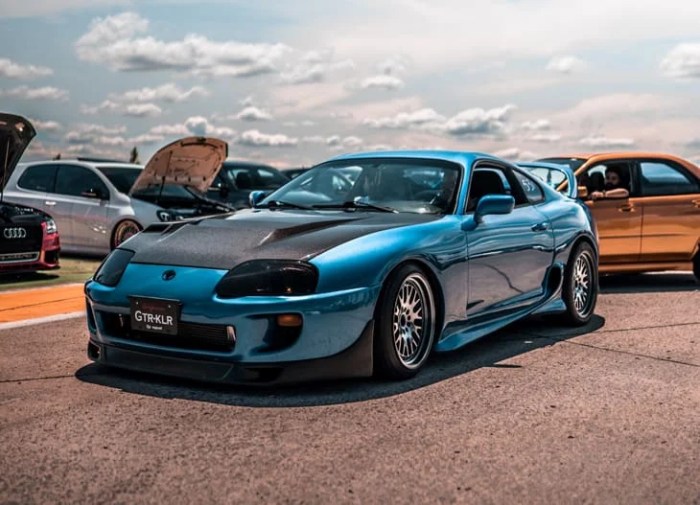
Engine tuning and performance upgrades often involve intricate processes, from modifying the engine’s control systems to optimizing the exhaust system for improved efficiency. Understanding these techniques is crucial for achieving desired performance outcomes. Properly executed tuning can significantly enhance a vehicle’s capabilities, pushing it beyond its stock specifications.Engine tuning encompasses a multifaceted approach. It often begins with understanding the vehicle’s existing engine characteristics.
This includes analyzing the engine’s current power output, fuel consumption, and torque curve. Comprehensive data acquisition, often using specialized diagnostic tools, is fundamental for evaluating the engine’s current performance baseline. Following this, modifications are tailored to address specific performance goals.
Engine Tuning and Performance Upgrades
Engine tuning often involves reprogramming the engine control unit (ECU) to optimize the air-fuel mixture and ignition timing. This process can include using specialized tuning software to adjust parameters such as ignition timing, fuel injection rates, and boost pressure. More involved modifications might encompass installing performance intake systems, exhaust systems, and turbochargers. The selection and integration of these components are carefully considered to ensure compatibility and maximize performance.
Suspension and Braking System Customization
Suspension and braking systems are key to vehicle handling and safety. Customizing these systems can significantly alter a car’s ride quality, handling characteristics, and braking performance. This often includes installing aftermarket springs, shock absorbers, and sway bars, which alter the car’s suspension geometry and ride height. Modifications also include upgraded brake calipers, rotors, and pads to enhance stopping power.
Choosing the right components involves a careful consideration of the vehicle’s weight, intended use, and desired handling characteristics.
Body Modifications and Aerodynamics
Body modifications play a crucial role in aesthetics and performance. These modifications encompass a wide array of techniques. Aerodynamic enhancements, like spoilers and diffusers, can reduce drag and improve downforce, increasing stability and performance at higher speeds. Other common modifications include custom bumpers, side skirts, and body kits. The design and integration of these components are meticulously planned to maintain the vehicle’s structural integrity and aerodynamic efficiency.
Precise measurements and calculations are critical to ensure the components function as intended.
Choosing and Installing Aftermarket Parts
Selecting aftermarket parts demands careful consideration of both performance and style. Specific requirements for performance and style dictate the selection process. Compatibility checks are paramount to ensure the chosen parts fit the vehicle’s existing components and integrate seamlessly with the existing system. Installation procedures must adhere to manufacturer recommendations to avoid potential damage or malfunction. Professional installation by trained technicians is highly recommended for optimal results.
Proper installation and maintenance are crucial for the long-term performance and reliability of the vehicle.
Future Trends in Tuning
Source: iguides.org
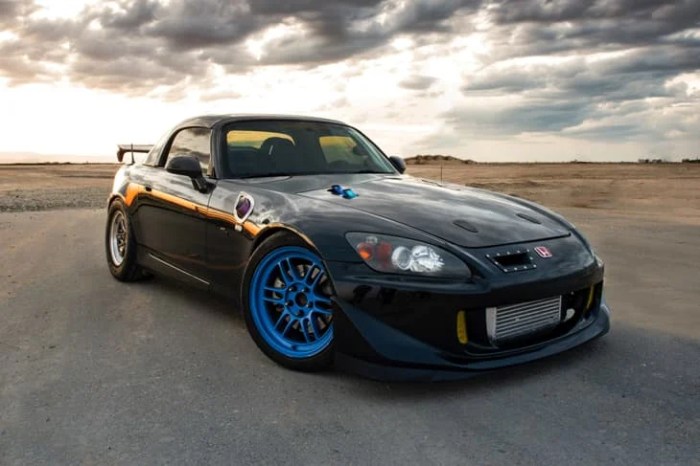
The automotive tuning landscape is constantly evolving, driven by technological advancements and shifting societal values. Tuners are responding to a demand for vehicles that are not only powerful and stylish but also reflect a growing awareness of sustainability and technological innovation. This dynamic environment is shaping the future of tuning in significant ways.The pursuit of performance and style in tuning is merging with technological advancements.
Sophisticated software and hardware are becoming increasingly accessible to enthusiasts, allowing for more intricate and personalized modifications. This accessibility is driving a trend toward customization, where individual drivers can tailor their vehicles to precisely match their preferences.
Emerging Trends in Modifications
Tuning is moving beyond simple aesthetic upgrades. Modern trends emphasize functionality, integration, and advanced performance characteristics. Lightweight materials are being incorporated to reduce vehicle weight, while aerodynamics are meticulously refined for optimal performance. Engine management systems are becoming more complex, enabling fine-tuning of power delivery and fuel efficiency.
Technological Influence on Modifications, Most legendary tuner cars for iconic modifications and style
The integration of advanced technologies, such as electric vehicle (EV) powertrains, is altering the very nature of tuning. Tuners are adapting their strategies to optimize the performance and efficiency of these systems, exploring new ways to enhance electric motor power and torque. The rise of connected car technology is opening doors to sophisticated tuning strategies, allowing for real-time adjustments and data analysis to maximize performance.
This integration is enabling a deeper level of vehicle control and personalization.
Future Directions in Styling and Performance
Future styling trends in tuning are likely to be characterized by sleek, aerodynamic designs that prioritize both visual appeal and performance enhancement. The fusion of traditional design elements with modern, technological aesthetics will likely be a defining characteristic. Performance will continue to be a crucial aspect, but the balance will shift towards a more refined and controlled power delivery, emphasizing responsiveness and efficiency.
Influence of Sustainable Materials and Technologies
The use of sustainable materials, such as recycled plastics and bio-composites, is becoming increasingly important in tuning. This trend reflects a growing demand for eco-conscious modifications. The adoption of electric and hybrid powertrains is further contributing to the shift towards sustainable technologies. The use of renewable energy sources and the incorporation of lightweight sustainable materials in vehicle design are all factors that will influence future tuning aesthetics and performance.